Blog

  • Everyday Baggy Jeans Outfit Ideas That Feel Chic Daily

    Everyday Baggy Jeans Outfit Ideas That Feel Chic Daily

    Baggy jeans can look cool in seconds, but they can also look sloppy fast. I learned that the difference usually comes down to balance, not the jeans themselves. These everyday baggy jeans outfit ideas are built around outfits I would actually wear for errands, casual plans, coffee runs, and relaxed evenings without feeling underdressed.

    Why Baggy Jeans Work for Everyday Style

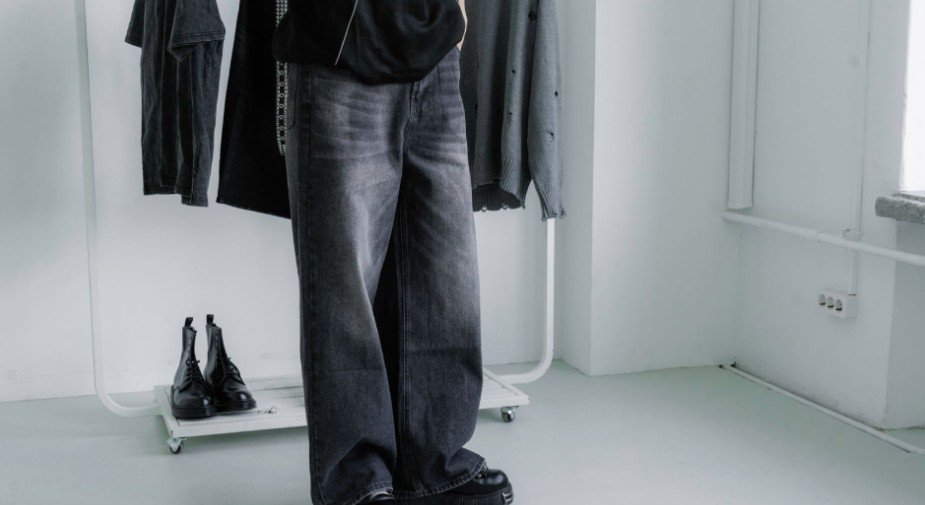
    Baggy jeans are comfortable, forgiving, and easy to repeat without looking like you wore the same outfit twice. The relaxed shape gives a street-style feel, but the right top, shoes, and layers make the outfit look styled.

    My rule is simple: if the jeans are wide, one other part of the outfit should add shape. That could be a fitted top, a cropped jacket, a belt, pointed shoes, or a clean tuck.

    The Baggy Jeans Balance Test I Use

    The Baggy Jeans Balance Test I Use

    Before leaving the house, I check three things: waist, shoes, and texture.

    Define the Waist

    A loose top with loose jeans can work, but the waist needs a little control. I usually front tuck a tee, add a slim belt, or choose a cropped top. This keeps the look relaxed without hiding my shape.

    Choose Shoes That Ground the Hem

    Shoes matter more with baggy jeans than with skinny jeans. Chunky sneakers, retro sneakers, loafers, pointed flats, and heeled boots stop the denim from looking heavy.

    Mix One Texture

    Denim with cotton is easy, but denim with leather, knitwear, satin, ribbed fabric, or crisp shirting looks more intentional. Texture is the shortcut to making simple outfits look expensive.

    5 Everyday Baggy Jeans Outfit Ideas That Always Work

    5 Everyday Baggy Jeans Outfit Ideas That Always Work

    Fitted Crop Top and Retro Sneakers

    This is my easiest weekend outfit. A fitted crop top balances the wide jeans, while retro sneakers keep it casual. I like this look for grocery runs, coffee, or casual shopping.

    Choose high-waisted baggy jeans if you want more coverage. Add small hoops, a belt, and a shoulder bag to make the outfit feel finished.

    Oversized Graphic Tee and Canvas Shoes

    This outfit gives relaxed streetwear energy. The trick is not letting the tee swallow the whole look. I front tuck one side or tie a small knot at the waist.

    Canvas shoes keep the outfit light. If the jeans are extra long, choose platform sneakers so the hem does not drag.

    For more seasonal outfit inspiration, you can pair this with ideas from Wearable Street Style Trends for Every Season.

    Button-Down Shirt and Pointed Flats

    This is the polished version of baggy jeans. A crisp button-down shirt makes loose denim feel smart without looking too formal.

    I leave a few buttons open, roll the sleeves, and tuck the shirt slightly. Pointed flats lengthen the leg line, which helps when the jeans are wide.

    Chunky Knit Sweater and Loafers

    For cooler weather, baggy jeans with a chunky sweater feel cozy but still styled. I use a French tuck so the sweater does not cover the full waistband.

    Loafers add structure. White socks can make the outfit feel preppy, while no-show socks keep it cleaner.

    Cropped Leather Jacket and Ribbed Tank

    This outfit works when I want baggy jeans to feel sharper. The ribbed tank adds shape, and the cropped leather jacket gives structure at the shoulders.

    The jacket should hit near the waist. That length keeps the outfit balanced and prevents the jeans from looking too oversized.

    Best Tops to Wear With Baggy Jeans
    Best Tops to Wear With Baggy Jeans

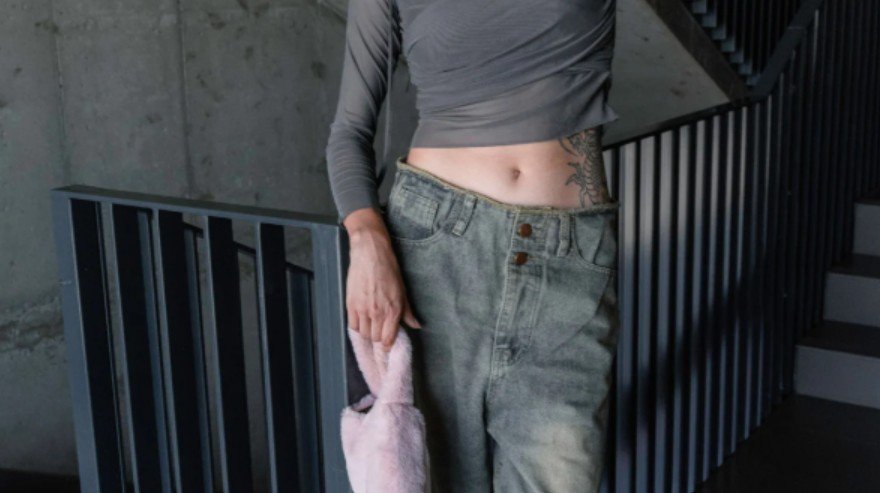
    Fitted Tops for Easy Balance

    Fitted tanks, bodysuits, ribbed tees, and slim long-sleeve tops are the safest choices. They make the jeans the main relaxed piece.

    This combination works well for casual days because it needs very little styling. Add sneakers, a small bag, and clean jewelry.

    Oversized Tops With a Styling Trick

    Oversized tees, hoodies, and sweatshirts can look great with baggy jeans, but they need shape. Use a front tuck, cropped length, or structured jacket.

    My favorite version is an oversized graphic tee with a visible belt. It feels casual but not careless.

    Dressy Tops for Casual-Chic Outfits

    A satin blouse, off-shoulder top, or fitted cardigan can make baggy jeans dinner-ready. This is useful when you want comfort but still want compliments.

    A Valentine’s Day Outfit can also give you ideas for making baggy jeans feel more romantic with softer tops, polished shoes, and prettier accessories.

    Add pointed heels or sleek flats. Keep the bag small to avoid making the outfit feel bulky.

    Best Shoes for Baggy Jeans Outfits
    Best Shoes for Baggy Jeans Outfits

    Sneakers for Streetwear Looks

    Chunky sneakers, retro sneakers, and canvas shoes all work well. If the jeans are long, choose a thicker sole.

    Sneakers make baggy jeans feel natural and relaxed. They are best for daytime outfits.

    Flats for a Polished Look

    Pointed flats are underrated with baggy jeans. They peek out from the hem and make the outfit look cleaner.

    Ballet flats also work, especially with a button-down shirt or cardigan.

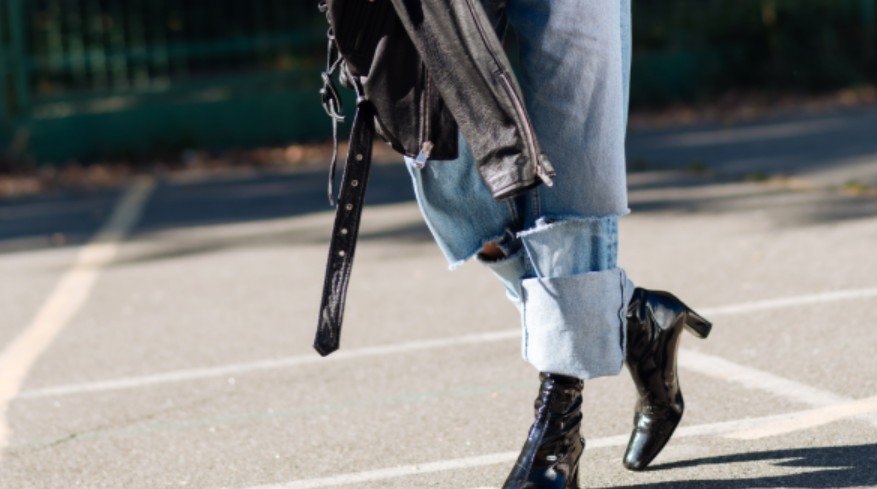
    Boots for Structure

    Heeled boots, square-toe boots, and pointed boots help baggy jeans look sharper. They also stop wide denim from pooling too much.

    For colder months, I like baggy jeans with boots, a fitted knit top, and a long coat.

    How to Style Baggy Jeans Without Looking Sloppy

    The biggest mistake is wearing too many soft, oversized pieces at once. Baggy jeans already have volume, so the outfit needs one clear anchor.

    That anchor can be a belt, structured blazer, cropped jacket, pointed shoe, or fitted top. I also avoid messy hems. If the jeans drag badly, I cuff them once or wear platform shoes.

    Beginner Friendly Styling Advice for Chic Daily Outfits can help you use simple outfit rules like proportion, clean layers, and balanced accessories when styling baggy jeans every day.

    Accessories help too. A clean bag, simple jewelry, sunglasses, or a sleek bun can make casual denim look styled.

    My Worked Example: One Pair, Three Moods

    I tested one pair of light-wash baggy jeans across three everyday settings.

    For errands, I wore a fitted white tank, retro sneakers, and a tote. For lunch, I switched to a striped button-down, pointed flats, and a belt. For evening, I added a black ribbed top, cropped leather jacket, and heeled boots.

    The jeans stayed the same, but the outfit mood changed because the top, shoes, and texture changed. That is the easiest way to get more outfits from one pair.

    FAQs 

    1. What tops look best with baggy jeans?

    Fitted tanks, ribbed tees, cropped tops, button-down shirts, and structured jackets look best because they balance the loose denim.

    2. How do I wear baggy jeans casually?

    Wear baggy jeans with a graphic tee, sneakers, a front tuck, and a clean belt for an easy casual outfit.

    3. Can baggy jeans look dressy?

    Yes, baggy jeans can look dressy with a satin blouse, pointed flats, heeled boots, or a cropped blazer.

    4. What shoes should I avoid with baggy jeans?

    Avoid shoes that disappear under the hem or make the jeans drag, unless you cuff the denim or choose a platform sole.

    Final Slay: Make the Jeans Work, Not Work Hard

    Baggy jeans do not need complicated styling. They need balance, clean shoes, and one detail that says the outfit was planned. Start with one fitted top, one structured layer, and one shoe that lifts the hem. After that, your denim does the talking.

  • Beginner-Friendly Styling Advice for Chic Daily Outfits 

    Beginner-Friendly Styling Advice for Chic Daily Outfits 

    Why Style Feels Hard When You Are Starting

    beginner-friendly styling advice should make getting dressed feel easier, not turn your closet into homework. I learned that style changed for me when I stopped chasing every trend and started using simple rules.

    Most beginners think they need more clothes. I think they need better outfit logic. A plain T-shirt, jeans, and sneakers can look basic or intentional depending on proportion, texture, grooming, and one smart finishing detail.

    Outfit Math That Makes Dressing Easier

    Outfit Math That Makes Dressing Easier

    Good style is not magic. It is repeatable. Once I started using outfit formulas, I stopped wasting time changing five times before leaving the house.

    Use the Rule of Thirds

    The rule of thirds helps your body look balanced. Instead of splitting your outfit in half, create a one-third and two-third visual line.

    For example, tuck a top into high-rise jeans. Add a cropped jacket. This makes the legs look longer and the outfit sharper. You can also wear a longer cardigan over slim trousers if you want a softer shape.

    This works because the eye likes uneven balance. A 50/50 outfit can look flat. A 1/3 and 2/3 outfit looks styled.

    Try the 3-3-3 Formula

    The 3-3-3 formula is my favorite closet reset. Choose three tops, three bottoms, and three pairs of shoes. That gives you up to 27 outfits from only nine pieces.

    I tested this with a white button-down, black tee, striped knit, straight jeans, wide-leg trousers, midi skirt, loafers, sneakers, and ankle boots. I got work outfits, coffee outfits, and casual dinner looks without shopping.

    This is strong beginner-friendly styling advice because it removes decision fatigue. You learn what works before adding more.

    Add the Third Piece

    A third piece makes a basic outfit feel finished. It can be a blazer, belt, jacket, scarf, vest, bag, or layered jewelry.

    A tee and jeans say “I got dressed.” A tee, jeans, and structured blazer say “I have a plan.” That small difference matters.

    Statement looks like beauty and the beast family halloween costumes are a great example of how styling around one standout theme can create a cohesive, memorable outfit.

    Simple Contrast Tricks That Make Outfits Look Expensive

    Contrast creates interest. Without it, outfits can look plain even when every item is nice.

    Romantic styling ideas like a valentines day outfit can show how contrast, texture, and one polished detail make everyday outfits feel more elevated.

    Mix Shape, Texture, and Mood

    Try one structured piece with one soft piece. A crisp blazer looks better with relaxed trousers. A satin skirt feels cooler with a chunky knit. A feminine dress looks fresher with loafers or a denim jacket.

    Texture also helps. Knit with silk, denim with leather, cotton with suede, or linen with metal jewelry can make simple outfits feel rich.

    Use Monochrome Without Looking Flat

    Monochrome outfits look polished, but they need texture. All black looks better when you mix denim, ribbed cotton, leather, or wool.

    For spring, I like pairing a soft neutral base with one print. This is where Spring florals can work well. A floral blouse under a plain jacket feels fresh without looking too busy.

    Beginner Hair Styling That Works Fast

    Beginner Hair Styling That Works Fast

    Outfits look better when hair looks intentional. That does not mean perfect hair. It means hair that matches your natural texture and routine.

    Start With Natural Texture

    I stopped forcing my hair into styles that fought its shape. Straight hair can look sleek with shine spray. Wavy hair can use curl cream or salt spray. Curly and coily hair often needs moisture, definition, and gentle handling.

    Heat tools can cause lasting damage, so lower heat and protection matter. Hair research groups note that heat styling can damage hair structure, and heat protection products help reduce that risk.

    Build a Three-Product Hair Kit

    You do not need a shelf full of products. Start with a heat protectant, a lightweight leave-in conditioner, and a texture spray or dry shampoo.

    Accessories help too. A claw clip, silk scrunchie, or padded headband can rescue a rushed morning. They make a ponytail, bun, or half-up style look deliberate.

    Wardrobe Care Habits That Keep You Polished

    Wardrobe Care Habits That Keep You Polished

    Care is part of style. Wrinkled, stretched, or faded clothes can make a good outfit look tired.

    Check Fabric Stretch Before Buying Denim

    When buying jeans or trousers, check the fabric label. If denim has too much elastane or spandex, it may stretch out faster. I usually stay near 1% to 3% stretch for jeans that hold shape but still move.

    The FTC explains that care labels and textile information help consumers understand how to maintain clothing properly.

    Fold Sweaters and Read Care Labels

    Do not hang heavy sweaters. Gravity can stretch knits and change their shape. Knitwear care experts also recommend drying knits flat because hanging can lengthen the garment.

    I fold sweaters, use seamless undergarments, and steam clothes before wearing them. These tiny habits make inexpensive outfits look more polished.

    My 10-Minute Styling Test

    Here is my original beginner test. Before leaving, I ask three questions.

    Does the outfit have shape? Does it have contrast? Does it have one finishing detail?

    If the answer is no, I fix only one thing. I tuck the shirt, add earrings, change shoes, or throw on a jacket. This keeps styling fast and realistic.

    That is the best beginner-friendly styling advice I can give: improve one detail, not the whole closet.

    FAQs

    1. What is the easiest styling tip for beginners?

    Start with proportions: tuck your top, define your waist, or add a cropped layer.

    2. How can I look stylish without buying new clothes?

    Use the 3-3-3 formula, add a third piece, and mix textures you already own.

    3. What are beginner outfit mistakes to avoid?

    Avoid poor fit, too many trends at once, visible wrinkles, and outfits with no contrast.

    4. What is the best beginner-friendly styling advice for daily outfits?

    Build simple formulas first, then use accessories, texture, and grooming to make them feel personal.

    Final Slay: Dress Like You Meant It

    Style gets easier when you stop treating your closet like a mystery box. Use proportion, contrast, texture, hair care, and simple maintenance as your daily cheat code.

    My next step for you is simple: pick three tops, three bottoms, and three shoes tonight. Tomorrow, build one outfit with a third piece. That is how personal style starts looking less random and more like you.

  • Wearable Street Style Trends for Every Season

    Wearable Street Style Trends for Every Season

    I used to think street style looked great in photos but felt hard to wear in real life. Then I started breaking it into simple outfit formulas. That is where Wearable Street Style Trends for Every Season become useful: they help you look current without dressing like you are heading to fashion week before breakfast.

    Street style works best when it feels practical, comfortable, and intentional. Google also recommends creating people-first content that gives readers useful, satisfying information, which is exactly how style advice should work too.

    Why Wearable Street Style Works Year-Round

    Wearable street style is not about copying every viral outfit. It is about choosing the part of a trend that fits your life.

    A full runway look may feel too dramatic for errands, school pickup, brunch, or casual Fridays. But one strong piece can change everything. An oversized blazer, chunky loafer, bright scarf, leather belt, or structured coat can make simple clothes feel styled.

    The secret is balance. If one item is oversized, keep another item sleek. If your outfit is neutral, add one bold accessory. If your dress feels soft and romantic, ground it with sneakers or boots.

    That is how I approach Wearable Street Style Trends for Every Season. I do not chase every trend. I translate them.

    Spring Street Style: Light Layers That Move

    Spring Street Style: Light Layers That Move

    Spring outfits need flexibility. Mornings can feel chilly, afternoons can warm up, and indoor spaces often have their own weather mood.

    Oversized Blazers With Relaxed Denim

    A lightweight oversized blazer is one of the easiest spring street style pieces. Who What Wear recently highlighted linen and oversized blazers as major 2026 summer blazer directions, proving the relaxed tailoring trend is still strong.

    I like this formula: a poplin or linen blazer, a white tee, relaxed jeans, and clean sneakers. It feels polished but not stiff.

    For a softer look, swap the tee for a ribbed tank. For work, use loafers instead of sneakers. For weekends, add a baseball cap and crossbody bag.

    Florals With Grounded Footwear

    Spring florals can look too sweet if everything feels delicate. I prefer pairing a floral maxi dress with chunky retro sneakers or lug-sole loafers.

    That contrast makes the outfit feel modern. It also makes the dress easier to wear outside of special occasions.

    This is where trend-driven street style becomes practical. You are not wearing a trend from head to toe. You are mixing one feminine piece with one grounded piece.

    Summer Street Style: Breezy, Clean, and Cool

    Summer Street Style: Breezy, Clean, and Cool

    Summer style should not feel heavy. The best outfits look fresh and feel breathable.

    Elevated Basics for Hot Days

    A crisp white button-down with utility cargo shorts is one of my favorite summer formulas. It looks intentional, but it still feels easy.

    For a more polished outfit, wear the same shirt with linen trousers and flat sandals. The CDC advises loose, lightweight, light-colored clothing during extreme heat, which supports this kind of summer dressing from a comfort and safety angle.

    White, cream, beige, olive, and soft gray work especially well in hot weather. A monochrome outfit in these shades looks expensive without needing loud styling.

    Accessories That Do the Talking

    Summer is the best season for bold accessories because the base outfit is usually simple.

    Try a vibrant top-handle bag, red ballet flats, tinted sunglasses, or a colorful scarf tied to a tote. Glamour recently noted that red shoes are being used to lift simple summer denim and white-top outfits.

    My tested rule is simple: when the weather is hot, let one accessory carry the outfit. More than that can feel forced.

    Autumn Street Style: Texture, Layers, and Shape

    Autumn Street Style: Texture, Layers, and Shape

    Autumn is where street style gets fun. You can layer without overheating, and textures start doing the heavy lifting.

    Long Coats With Straight-Leg Jeans

    A long wool coat with straight-leg blue jeans always works. It gives structure without looking formal.

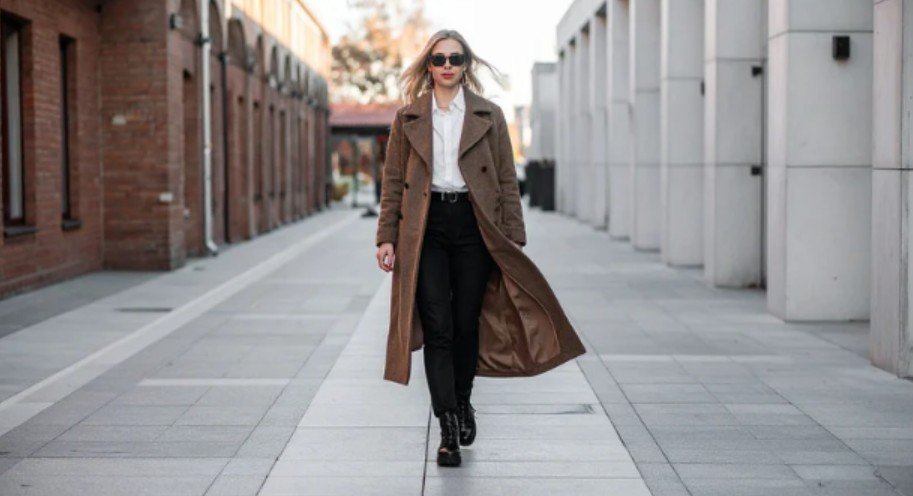
    I usually build the outfit like this: fine-knit top, straight-leg jeans, long coat, leather belt, and loafers or Chelsea boots. The coat creates drama. The denim keeps it wearable.

    This is one of the easiest Wearable Street Style Trends for Every Season because it can move from coffee runs to casual office days.

    Tonal Dressing Without Looking Flat

    Tonal dressing means wearing shades from the same color family. Think camel, cream, tan, and chocolate. Or charcoal, gray, black, and silver.

    The trick is texture. Mix fine knit, leather, wool, denim, suede, or ribbed cotton. Without texture, tonal outfits can look plain.

    A cardigan under a leather jacket with wide-leg trousers creates more depth than one flat color from top to bottom.

    Winter Street Style: Warm But Still Sharp

    Winter Street Style: Warm But Still Sharp

    Winter outfits often become bulky fast. Street style solves that with proportion and strong outerwear.

    This outfit idea shows how soft winter whites can make cold-weather street style look polished, cozy, and easy to wear without feeling overdone.

    Statement Outerwear With Structure

    A thick gray or charcoal wool coat looks sharper when cinched with a wide leather belt. The belt gives shape and stops the coat from swallowing the outfit.

    Oversized puffers work too, but they need balance. Pair a voluminous puffer with thermal leggings, slim jeans, or straight trousers. Add combat boots for grip and attitude.

    This is practical styling, not costume dressing.

    Color Pops for Cold Weather

    Winter wardrobes often lean black, navy, and gray. That is useful, but it can feel dull.

    A neon beanie, pastel scarf, red gloves, or bright mini bag can wake up a dark coat. You do not need five colors. One pop is enough.

    I like black outerwear with a cobalt scarf or soft pink knit hat. It feels playful without losing warmth.

    My Wearable Street Style Formula

    After testing these outfits across seasons, I use a three-part formula:

    Start with one practical base. Add one current trend. Finish with one grounding piece.

    For spring, that could be jeans, an oversized blazer, and sneakers. For summer, linen trousers, a bold bag, and sandals. For autumn, a knit top, long coat, and Chelsea boots. For winter, leggings, a puffer, and combat boots.

    That formula keeps Wearable Street Style Trends for Every Season from feeling overwhelming. It also saves money because you reuse the same base pieces in different ways.

    The best wardrobe is not the one with the most trends. It is the one with the most repeatable combinations.

    FAQs

    1. What are wearable street style trends?

    Wearable street style trends are fashion-forward outfit ideas made practical for daily life, comfort, weather, and movement.

    2. How do I dress street style without looking overdone?

    Use one statement piece, keep the rest simple, and balance oversized items with fitted or structured pieces.

    3. What shoes work best for seasonal street style?

    Sneakers, loafers, Chelsea boots, ballet flats, and combat boots are the most versatile choices.

    4. Can Wearable Street Style Trends for Every Season work on a budget?

    Yes, focus on reusable basics, thrifted outerwear, and trend-led accessories instead of buying full new outfits.

    Final Fit Check: Make the Sidewalk Your Runway

    I love street style most when it feels lived-in, not staged. The outfit should help you move, sit, walk, work, and still feel like yourself.

    Start with one season. Choose one formula. Repeat it until it feels natural. Then add your own twist, because the best street style always looks slightly personal and a little unbothered.

  • Master Color Theory: How to Find Your Skin Undertone 

    Master Color Theory: How to Find Your Skin Undertone 

    Staring at rows of foundation at the beauty counter used to feel like a complete guessing game until this breakthrough happened. Discovering how to find your skin undertone completely transformed my beauty routine from a mismatched mess into a seamless canvas of pure, radiant confidence. 

    You have probably felt that exact frustration when a cosmetic shade looks perfect inside the glass bottle but turns bizarrely orange or ghostly gray the second it touches your face.

    The missing puzzle piece is never the depth of your complexion, but rather the quiet color temperature whispering just beneath the surface of your skin.

    Key Takeaways

    • Undertones remain completely permanent: Surface color changes with the seasons, but your underlying hue stays identical for life.
    • Look past basic categories: True color theory includes rare olive and peach variations, not just standard warm or cool.
    • Natural daylight is mandatory: Artificial lighting creates a false color cast that ruins your shade-matching accuracy.
    • Match to your jawline: Always blend your cosmetic swatches along the jaw rather than the center of your face.
    • Wrong hues cause sallow skin: Wearing the wrong tone creates an ashen or ghostly makeup mask appearance.

    Why Mastering This Beauty Lesson Matters

    Understanding your specific complexion profile saves your wallet from bad purchases and upgrades your everyday glamour instantly.

    Learning how to find your skin undertone acts as a permanent cheat code that prevents you from looking washed out, sallow, or ashy in your favorite cosmetics. It ensures every liquid foundation, concealer, lipstick, and eyeshadow you buy works in perfect harmony with your natural chemistry rather than fighting against it.

    The Core Blueprint of Complexion Architecture

    Understanding the physical structure of your skin color is the ultimate secret weapon for any beauty enthusiast looking to elevate their look.

    Your surface skin tone is simply the outer layer of melanin that changes when you tan in the summer or fade during the winter months. This outer shade easily categorizes your complexion into broad, visible groups like fair, light, medium, tan, deep, or rich.

    Beneath that shifting surface lies your permanent undertone, which is the static hue that never alters regardless of sun exposure of skin or skincare treatments.

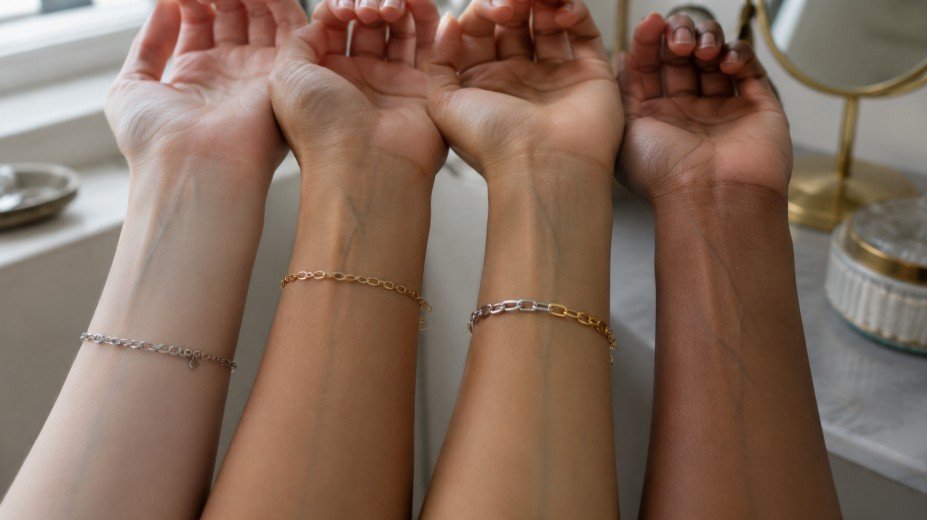
    To determine your skin’s undertone, which is the hue beneath the surface that never changes, examine your bare wrist in natural light. Cool undertones show blue or purple veins, warm tones reveal green or olive veins, and neutral or olive tones feature a mix of colors or a subtle green cast.

    The Big Four Color Temperature Profiles

    Navigating the beauty universe requires a firm grasp on the distinct categories that define our underlying complexions.

    The Icily Radiant Cool Category

    People belonging to this group possess distinct hints of pink, rosy red, or soft bluish hues running quietly through their skin cells. This profile is incredibly vibrant but can struggle significantly with sudden flushing, surface redness, or high sensitivity to environmental changes.

    The Sun-Kissed Golden Warm Group

    This category shines beautifully with rich yellow, soft peachy, or deep golden shades that give off an effortless warmth. Your complexion thrives when surrounded by rich, sunny pigments that enhance the organic, glowing depth of your natural facial structure.

    The Balanced Neutral Equilibrium Spectrum

    Individuals in this specific category present an incredibly even, harmonious mix of both cool and warm hues without leaning heavily toward either side. This balance offers immense versatility in the beauty world, allowing you to sample an extensive range of cosmetic palettes without experiencing harsh clashing.

    The Elusive Olive Complexion Secret

    The Elusive Olive Complexion Secret

    This often-misunderstood profile features a distinct combination of neutral or warm base notes beautifully laced with unique green, ashen, or grayish hues. Classic beauty guides completely overlook this category, leaving many people feeling sallow when forced into traditional, overly yellow foundation bottles.

    Discovering Your Match with Simple Home Tests

    Discovering Your Match with Simple Home Tests

    Cracking the code to your unique underlying complexion requires a few simple, strategic tests performed right in the comfort of your home.

    Several simple, at-home tests can help confirm your specific undertone, and using them together provides the most accurate results for your cosmetic routine. Knowing how to find your skin undertone becomes incredibly easy once you look at how your face interacts with simple objects, colors, and the sun.

    The Classic Jewelry Comparison

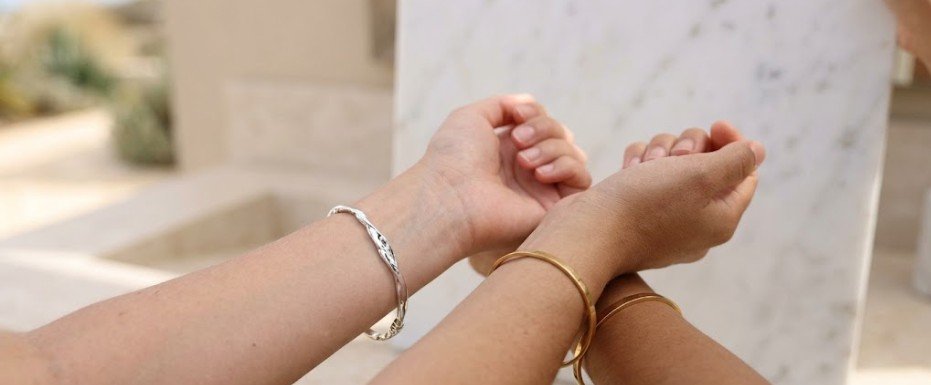
    Look at which metal makes your skin look radiant and bright rather than dull or washed out against your reflection. Cool complexions look best in silver, platinum, or white gold, while warm tones find their perfect match in rich yellow gold.

    Neutral skin types are highly versatile and complement both metals equally well, giving you complete freedom at the jewelry counter.

    The Pristine White Paper Challenge

    Hold a piece of stark white copy paper or a pure white shirt next to your clean, makeup-free face in natural light. Cool profiles look rosy, pink, or slightly bluish in comparison, whereas warm skin casts a yellowish, peachy, or golden glow against the white paper.

    Neutral complexions look completely balanced, though you may find you look your absolute best in off-white or cream colors.

    The Organic Sun Reaction Observation

    Observe how your skin responds to sun exposure when you spend an afternoon outdoors without heavy sunblock. Cool skin types tend to burn or turn red very easily before, or instead of, tanning, which requires extra care. Warm tones tan easily and rarely burn, often developing a bronzed glow, while neutral tones tan easily but can occasionally burn.

    The Interactive Friend Comparison Method

    If you are still unsure, especially if you have deeper skin tones where veins can be difficult to read, compare bare, makeup-free celebrity-like face with a friend in natural daylight.

    Look for subtle, underlying hues like extra pinkness or green-gray tones when compared to someone with a similar skin depth. This collaborative approach removes the guesswork and makes identifying your unique undertone a fun, social beauty experiment.

    The Ultimate Smart Guide to Real Life Beauty Application

    Applying this newfound color knowledge transforms the way you shop for products and style your daily outfits.

    How to Fix Dried Mascara Quickly is another useful beauty guide for keeping your everyday makeup routine looking polished, especially when your favorite products start showing signs of drying out.

    Navigating the Liquid Foundation Aisle

    Navigating the Liquid Foundation Aisle

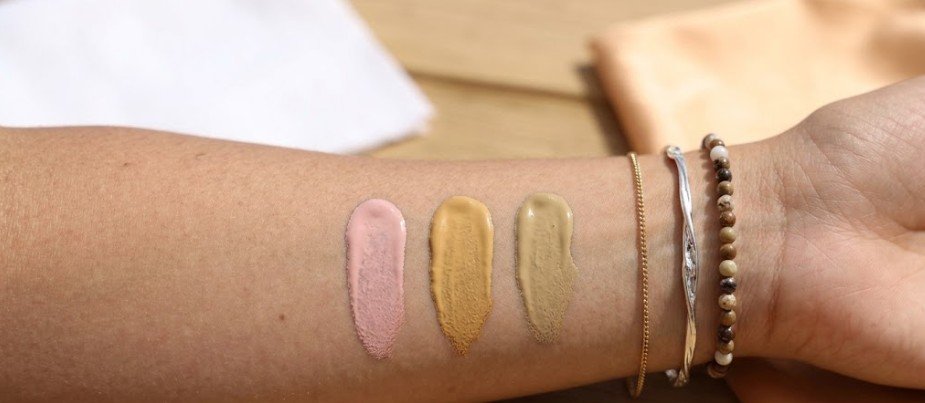
    When shopping for complexion products, look closely at the shade names and letters on the packaging, which usually feature letters like C, W, or N. Cool foundations will have pink or rosy bases, warm products lean toward golden yellow, and neutral formulas sit perfectly in the middle.

    Matching the product base to your underlying hue prevents that dreaded line around your jaw where your makeup completely ends.

    Selecting Your Perfect Signature Lipsticks

    Lipstick shades can make or break your makeup look depending on how well they align with your underlying color temperature.

    Cool profiles shine brightest in berry tones, plums, and blue-based red lipsticks that make teeth look incredibly white. Warm complexions look beautiful in terracotta, peach, coral, and orange-based reds that enhance the natural warmth of your smile.

    Building a Harmonious Wardrobe Palette

    Your wardrobe benefits immensely from this color theory, as certain fabric dyes will naturally make your skin pop while others make you look tired. Cool complexions stun in jewel tones like sapphire, emerald, and ruby, while warm complexions look stunning in earthy olive, mustard, and rust. 

    Neutral individuals can comfortably jump between both worlds, though muted pastels often look exceptionally elegant on their balanced skin.

    Urban Fashion Inspiration for Effortless Daily Style can help you use your best undertone-friendly colors in everyday outfits that still feel modern, easy, and wearable.

    Frequently Asked Questions

    1. What is the rarest skin tone color?

    A deep complexion combined with a starkly cool, blue undertone or a fair complexion featuring a true, green-dominant olive undertone are considered the rarest variations in global beauty color theory.

    2. Is there an app that finds your skin undertone?

    Yes, popular beauty retail applications use advanced camera scanning technology to analyze color metrics, though variance in phone screen calibration can occasionally skew the final results. Learn how to find your skin undertone using these tools with caution.

    3. How do I check my skin tone?

    Wash your face completely, wait fifteen minutes for surface redness to subside, and observe your jawline in natural sunlight using a hand mirror to accurately evaluate your outer surface depth.

    4. Can AI tell me my skin tone?

    Artificial intelligence color-matching tools can accurately analyze your skin tones, provided your upload features high-resolution imagery taken under balanced, indirect, natural daylight conditions without filters.

    Celebrate Your Perfect Cosmetic Alignment

    Unlocking the mystery of how to find your skin undertone is the ultimate turning point that elevates your personal beauty journey from standard guesswork to pure artistic mastery.

    Once you align your cosmetics with your natural biological color palette, your makeup ceases to look like a heavy layer of product and becomes a flawless, glowing extension of your authentic self.

  • Meaningful Prayer Practices to Create Moments of Calm, Gratitude, and Faith

    Meaningful Prayer Practices to Create Moments of Calm, Gratitude, and Faith

    Life rarely slows down on its own. Between responsibilities, constant notifications, work pressure, and personal challenges, it becomes easy to move through the day without taking a moment to breathe, reflect, or reconnect spiritually. Prayer creates that needed pause. It becomes a quiet space where thoughts settle, gratitude grows, and faith feels more present.

    The most meaningful prayer practices are not always about spending hours in silence or following a perfect routine. Often, the smallest moments of honest connection become the ones that shape our hearts the most. A few intentional minutes of prayer each day can bring a stronger sense of peace, improve emotional awareness, and help shift attention from daily worries toward trust, gratitude, and hope.

    Why Prayer Feels More Meaningful When It Becomes Personal

    Why Prayer Feels More Meaningful When It Becomes Personal

    Prayer becomes powerful when it moves beyond a routine and becomes a genuine conversation. Many people think prayer has to sound a certain way, but authentic prayer usually starts with honesty. Sharing fears, hopes, questions, and appreciation creates a deeper spiritual connection.

    Personal prayer allows space to slow down and recognize what is happening internally. Instead of carrying every concern alone, prayer provides a moment to release stress and refocus. Research around spiritual practices and meditation often connects moments of reflection with relaxation responses, including reduced stress and improved emotional balance.

    Meaningful prayer practices create room for both speaking and listening. Sometimes that means expressing gratitude. Other times, it means sitting quietly and allowing yourself to feel present.

    Creating Calm Through Mindfulness Prayer

    Mindfulness prayer combines quiet awareness, breathing, and spiritual reflection. It encourages people to step away from distractions and become fully present during their prayer time.

    A simple practice starts by finding a peaceful place, closing your eyes, and taking slow breaths. As the body relaxes, a short affirmation like “God, I am here with You now” can help center thoughts and create a feeling of connection.

    This practice is not about removing every thought from your mind. Instead, it allows you to notice your emotions without becoming overwhelmed by them. Even five minutes of intentional prayer can create a meaningful pause during a stressful day.

    Many people include mindfulness prayer in the morning before starting their responsibilities or at night before resting. The goal is consistency, not perfection.

    Practicing Gratitude Through Daily Prayer

    Practicing Gratitude Through Daily Prayer

    Gratitude changes the way we notice everyday life. It shifts attention away from everything that feels missing and creates awareness of the blessings already present.

    Gratitude-centered prayer focuses on recognizing simple moments that often get overlooked. These can include:

    • A meaningful conversation with someone you love
    • A peaceful morning, a warm drink, or a small moment of kindness
    • Strength during a difficult situation

    The “three things” gratitude practice is a simple way to develop this habit. Each morning or evening, choose three things you feel thankful for and include them in your prayer.

    Over time, this type of reflection trains the mind to recognize goodness more naturally. Gratitude does not remove challenges, but it can change how we carry them.

    Using Journaling Prayer for Honest Reflection

    Writing can reveal thoughts and emotions that are sometimes difficult to say out loud. Journaling prayer creates a private space to communicate openly, reflect deeply, and understand personal experiences.

    Some people write their prayers as letters to God. Others write questions, worries, moments of appreciation, or lessons they are learning. There is no required structure because the purpose is honesty.

    After writing, taking a few moments to read scripture, reflect, or sit quietly can create space for deeper understanding. Many people find encouragement through passages focused on hope, gratitude, patience, and trust.

    Journaling also allows you to look back and recognize growth. Previous prayers often become reminders of challenges overcome, answered prayers, and moments when faith provided strength.

    Building a Consistent Prayer Routine Without Pressure

    Building a Consistent Prayer Routine Without Pressure

    A strong prayer life grows through commitment, but that commitment does not need to feel overwhelming. Starting with five to ten minutes a day can help create a realistic habit.

    Many people struggle because they expect their spiritual routines to look perfect. However, consistency often develops through small, repeatable choices.

    Creating a peaceful environment, choosing a regular time, and removing distractions can support deeper focus. Some people combine prayer with reading, journaling, or quiet reflection because these are simple ways to strengthen faith while creating a more intentional daily rhythm.

    The most important part is showing up honestly. A short prayer with full attention can feel more meaningful than a long prayer done only out of obligation.

    Frequently Asked Questions: Meaningful Prayer Practices to Create Moments of Calm, Gratitude, and Faith

    1. What are meaningful prayer practices?

    Meaningful prayer practices are intentional habits that help create a deeper spiritual connection. They can include gratitude prayer, mindfulness prayer, journaling, scripture reflection, and quiet moments of personal conversation with God.

    2. How can I make my daily prayers more consistent?

    Start with a small routine that fits naturally into your schedule. Setting aside five to ten minutes each day, choosing a peaceful space, and connecting prayer with an existing habit can make consistency easier.

    3. Why is gratitude important during prayer?

    Gratitude helps shift attention toward blessings, growth, and positive moments. It encourages a more hopeful perspective and creates awareness of everyday experiences that often go unnoticed.

    4. Can journaling improve my prayer life?

    Yes, journaling can make prayer feel more personal and reflective. Writing thoughts, emotions, and prayers helps process experiences and creates a record of spiritual growth over time.

    Small Moments of Prayer That Build a Lasting Connection

    Faith often grows through small choices repeated over time. A quiet morning prayer, a written reflection, or a simple moment of gratitude can slowly influence how we approach challenges and relationships. Meaningful prayer practices remind us to slow down, pay attention, and create space for peace even when life feels busy.

    The strongest spiritual habits are usually the ones we can carry into everyday moments. Prayer becomes more than a routine when it becomes a steady source of calm, gratitude, and connection.

  • A Light and Airy Living Room Reveal Ultimate Transformation

    A Light and Airy Living Room Reveal Ultimate Transformation

    Stepping into a dark, cramped room every single day can completely drain your daily energy and mood. For years, our central family gathering space felt like a gloomy cavern. It was shadowed by heavy window treatments and dated, dark accent walls.

    That frustrating lack of brightness inspired an intensive design journey to completely transform our main floor layout. This a light and airy living room reveal marks the final chapter of swapping out visual clutter for breathing room and endless sunshine.

    Grab a hot cup of coffee and let’s walk through every single design choice, texture, and structural secret that made this breezy transformation happen.

    Light and Airy Living Room Reveal Is Truly Essential

    Living in a dark room makes you feel like a cave dweller hiding from the modern world. We all deserve a home that feels like a sun-drenched resort, not a gloomy basement storage unit. Embarking on a light and airy living room reveal rescues your mental well-being and elevates your everyday living experience instantly.

    Selecting the Ideal Bright Base Palette

    Painting the walls is the fastest way to alter your perception of architectural space. Many homeowners mistakenly grab a generic bright white from the hardware store, only to find their walls look clinical or muddy in shifting afternoon shadows.

    Our secret weapon for this project was diving deep into the Light Reflectance Value, or LRV, of our favorite color swatches. A higher LRV score means a paint color will bounce ambient light back into the room rather than absorbing it.

    Finding the Right Undertones

    Finding the Right Undertones

    Selecting a paint color requires testing the formula under varying conditions from dawn until dusk. We bypassed stark, bluish whites that feel chilly and chose a soft, warm alabaster shade with subtle greige undertones. This specific base color reads as incredibly crisp during bright mornings while maintaining a cozy, comforting glow when evening lamps are lit.

    Coating the Trim Correctly

    Finishing the baseboards and window casings requires an intentional contrast in sheen to maximize the illusion of architectural depth. We coated all the surrounding trim in a semi-gloss pure white to catch structural light lines perfectly against our satin-finish walls. This subtle difference makes the ceilings appear much higher than they actually are by drawing the eyes upward.

    Mastering the New Spatial Floor Plan Layout

    Spreading furniture out along the perimeter of a space is a common trap that actually makes a room feel rigid and restricted. For this layout, we pulled our seating arrangements completely away from the walls to establish an open, floating conversational hub.

    Navigating the Floating Furniture Plan

    Positioning a large sofa in the center of the floor configuration allows natural walkways to remain fully open. We ensured there was a comfortable three-foot pathway entirely around the seating zone to promote relaxed movement and effortless traffic flow. 

    This deliberate spacing instantly gives the square footage an expensive, resort-like breathing room.

    Selecting Multi-Functional Low Profiles

    Keeping the sightlines clear across the entire room prevents the eyes from encountering abrupt visual roadblocks. We hunted for a modern linen sofa. Featuring lower back cushions and slim, tapered legs that elevate the base off the floor. Seeing the floor surface extend underneath the furniture tricks your brain into perceiving the overall room as far larger than its true dimensions.

    Layering Textures to Eliminate Sterile Vibes

    Monochromatic spaces run a major risk of feeling flat, uninviting, or reminiscent of an operating room. Our strategy to beat the boring white box look involved piling on diverse, tactile materials that felt incredible to touch.

    Layering Textures to Eliminate Sterile Vibes

    Introducing Organic Elements

    Bringing natural textures indoors breaks up the clean, synthetic lines of modern home manufacturing. We introduced a chunky jute area rug as our foundational floor piece. By layering a soft, ivory wool rug directly on top for maximum barefoot comfort. Woven rattan baskets tucked into vacant corners handle stray blankets while infusing rich, honeyed tones into the neutral landscape.

    Mixing Wood and Metallic Tones

    Balancing a pale room means grounding the space with a few elements that hold organic structural weight. We paired an unlacquered white oak coffee table with matte black iron hardware elements on our media console. The raw, open grain of the light wood injects natural character. While the black metal elements add just enough contrast to anchor the floating layout for modern style and home ideas .

    How to Execute a Light and Airy Living Room Reveal Successfully

    How to Execute a Light and Airy Living Room Reveal Successfully

    Bringing this bright aesthetic to life in your own home requires a systematic approach to editing your current belongings. Start by stripping away heavy, dark window draperies that block out the sun and replacing them with floor-to-ceiling sheer linen panels. This single adjustment instantly doubles the amount of usable natural light bouncing into the room.

    Next, focus entirely on your furniture selections by opting for pieces that feature light, natural wood finishes like white oak or bleached ash. Incorporate plush, slip-covered seating solutions in crisp neutral fabrics that invite relaxation without adding visual weight. Keep surfaces beautifully decluttered, allowing the natural sunlight to illuminate clean lines and open spaces throughout the afternoon.

    Finally, layer your floor surfaces with textured natural fibers such as tightly woven jute or sisal rugs to establish an organic foundation. Ground the entire arrangement by introducing live greenery, like an oversized potted tree, to bring a vibrant touch of nature indoors. These balanced layers ensure your bright sanctuary remains deeply inviting and structurally warm all year round.

    Frequently Asked Questions

    1. How to make a room feel light and airy?

    To make a room feel light and airy, you must maximize natural sunlight with sheer linen drapery, utilize high-LRV paint colors, elevate furniture on exposed legs, and incorporate reflective glass or metallic surfaces to bounce illumination across the floor plan.

    2. What is the 3-5-7 rule of decorating?

    The 3-5-7 rule of decorating is a classic design principle stating that grouping decorative elements in odd numbers creates better visual balance, dynamic height variation, and a more organic, intentional styling arrangement compared to even pairs.

    3. What is the new trend for living rooms?

    The new trend for living rooms heavily favors warm minimalism, featuring performance boucle fabrics, rounded architectural silhouettes, earthy organic textures, and highly personalized vintage elements that completely replace cold, stark, and overly clinical modern design choices.

    4. What is the 2/3 rule for living rooms?

    The 2/3 rule for living rooms dictates that your chosen coffee table should measure approximately two-thirds the total width of your sofa. And your main seating pieces should comfortably cover two-thirds of your primary area rug for ideal proportions.

    Spill the Tea on Your Bright New Space

    Creating a dreamy, sun-drenched sanctuary is completely achievable when you replace heavy clutter with deliberate, light-reflective choices. This a light and airy living room reveal proves that the right mix of high-LRV paint, floating furniture layouts, and rich organic textures can turn any dim space into a breathtaking oasis. Focus on your foundational layers first, clear your primary sightlines, and watch your daily living space completely transform.

  • Safe Skincare Ingredients During Pregnancy: Glow Safely!

    Safe Skincare Ingredients During Pregnancy: Glow Safely!

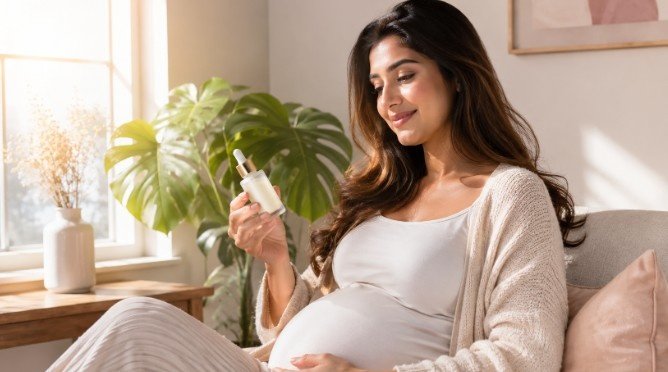
    Finding out you are expecting brings a wave of joy, but looking at your beauty vanity can trigger immediate panic. Upgrading your routine to protect your growing baby is a beautiful act of care, but navigating chemical labels feels like studying for a medical degree. 

    Splurging on a complex, ten-step routine is not necessary to keep your maternal glow intact. Making informed choices about safe skincare ingredients during pregnancy can easily clear up hormonal breakouts and calm unexpected sensitivity.

    Key Takeaways

    • Steer clear of high-risk synthetic retinoids, prescription acne treatments, and hydroquinone.
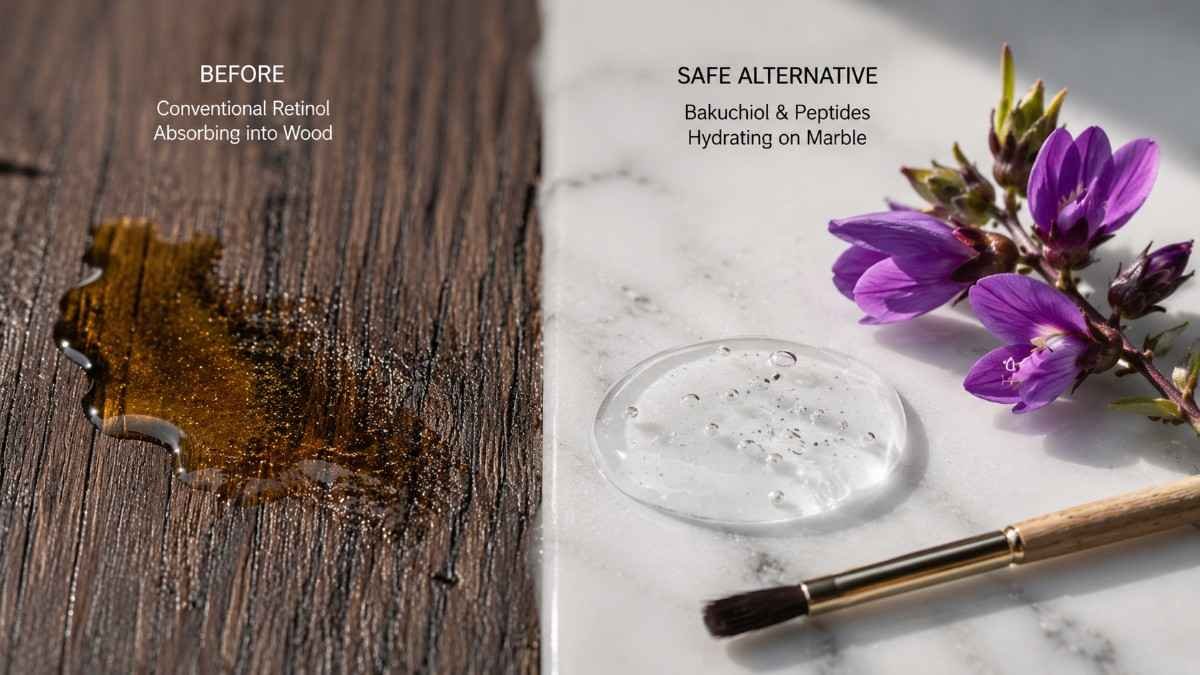
    • Embrace plant-based alternatives like bakuchiol to safely target fine lines and wrinkles.
    • Soothe hormonal acne and dark spots with azelaic and glycolic acids.
    • Switch from chemical sunscreens to mineral formulas utilizing zinc oxide.
    • Always consult your dermatologist or OB-GYN to verify individual product safety.

    Obsessing Over Pregnancy-Safe Skincare Ingredients Matters Now

    Let us be real: growing a human is a full-time job, but your changing hormones shouldn’t hold your face hostage. You deserve a stress-free pampering session without worrying if your night cream is secretly plotting a breakout coup. 

    Swapping out problematic formulas for safe skincare ingredients during pregnancy keeps you looking like a glowing goddess while ensuring your precious cargo stays entirely out of harm’s way on this wild nine-month ride.

    Decoding Your Changing Maternal Complexion

    Pregnancy hormones completely rewrite the rules of how your skin behaves over nine months. Surging estrogen and progesterone levels alter your sebum production, causing some women to experience severe dryness while others battle sudden, frustrating adult acne. 

    Your body also experiences a massive spike in melanocyte-stimulating hormone, which leaves you highly vulnerable to dark facial patches commonly called melasma. 

    Knowing that your skin barrier is hyper-reactive right now makes it essential to choose gentle, nourishing topicals that support your cellular health without causing systemic irritation.

    Heavyweight Performers for Brightening and Acne

    Managing hormonal flare-ups without relying on your usual chemical exfoliants requires a strategic product shift.

    Heavyweight Performers for Brightening and Acne

    The Magic of Azelaic Acid

    Calming angry red blemishes and stubborn hyperpigmentation becomes much easier when you introduce this multi-tasking dicarboxylic acid. Dermatologists highly recommend azelaic acid because it gently minimizes acne-causing bacteria while calming systemic inflammation across your cheeks and jawline. 

    It serves as a spectacular, risk-free substitute for hydroquinone by safely interrupting the pigment production process to fade dark spots without entering your bloodstream.

    Embracing Gentle Alpha Hydroxy Acids

    Exfoliating away dead skin cells remains crucial to keeping your pregnancy complexion vibrant and clear. While high-dose beta hydroxy acids are best left on the shelf, alpha hydroxy acids like glycolic acid and lactic acid are considered low-risk choices for expectant mothers. 

    Sticking to over-the-counter concentrations under 10% helps ensure that these fruit-derived acids remain entirely superficial, giving you an enviable radiance without irritating deep tissue.

    Niacinamide and Vitamin C Synergy

    Brightening a dull complexion requires a powerful duo of antioxidants that work beautifully alongside your daily hydration steps. Topical vitamin C acts as a brilliant shield against environmental free radicals, helping prevent dark patches from deepening whenever you step outside. 

    Layering it with niacinamide, also known as vitamin B3, strengthens your delicate moisture barrier, regulates excess oil production, and noticeably shrinks expanded pores.

    Safe Skincare Ingredients During Pregnancy: Your Three-Step Daily Ritual

    Transforming your daily beauty routine into a safe ritual requires simple, deliberate product adjustments.

    Safe Skincare Ingredients During Pregnancy Your Three-Step Daily Ritual

    Stepping into your morning routine should always start with a sulfate-free, low-foaming gel cleanser to purify your pores without stripping away precious natural lipids. After patting your face dry with a clean towel, gently press a dedicated vitamin C serum into your skin to activate antioxidant protection and promote collagen synthesis

    Finish your morning regimen by applying a generous layer of broad-spectrum mineral sunscreen containing non-nano zinc oxide to block harmful ultraviolet rays.

    Winding down in the evening provides the perfect opportunity to repair environmental damage and deeply soothe your reactive skin barrier. Begin with a nourishing oat cleansing balm to completely dissolve away stubborn mineral SPF, sweat, and daily pollutants. 

    Follow up by applying a targeted treatment like a 10% azelaic acid serum or a plant-derived bakuchiol cream to stimulate cellular turnover overnight. Lock everything in with a rich, fragrance-free ceramide moisturizer packed with hyaluronic acid to keep your skin plump and hydrated until morning.

    Defending Sensitive Complexions from Harmful Topicals

    Protecting your developing baby means completely eliminating specific high-risk chemicals from your bathroom counter.

    Defending Sensitive Complexions from Harmful Topicals

    Say Goodbye to Retinoids

    Prescription formulas like tretinoin and over-the-counter retinol must be completely discontinued the moment you decide to conceive. High oral doses of vitamin A derivatives are directly linked to serious congenital developmental issues, making topical versions an unnecessary risk for your beauty routine. 

    Swapping these out for bakuchiol delivers almost identical smoothing benefits for fine lines without triggering cellular toxicity or deep skin irritation.

    The Dangers of Chemical Sunscreens

    Traditional chemical UV filters can cause internal disruption that you definitely want to avoid while expecting. Ingredients like oxybenzone and avobenzone easily absorb through your skin barrier, with clinical studies showing they linger in maternal blood streams and breast milk.

    Transitioning to physical blockers like titanium dioxide ensures your sun defense sits safely on top of your skin, deflecting heat without absorbing internally.

    Frequently Asked Questions

    1. What skincare ingredients should I avoid in pregnancy?

    You must completely avoid topical retinoids, hydroquinone, chemical sunscreens like oxybenzone, and high-dose salicylic acid treatments. These specific compounds carry high systemic absorption risks that can negatively impact fetal development.

    2. What ingredients are safe during pregnancy for skin?

    Dermatologists recommend safe skincare ingredients during pregnancy such as azelaic acid, low-dose glycolic acid, vitamin C, niacinamide, bakuchiol, and mineral blockers like zinc oxide. These provide exceptional results without risking safety.

    3. Is it okay to take Lexapro while pregnant?

    Decisions regarding prescription antidepressants require a careful medical consultation directly with your primary OB-GYN. They will thoroughly analyze your mental health requirements against any potential low risks to your baby.

    4. What skin care products are safe during pregnancy?

    Gentle cleansers, hyaluronic acid serums, ceramide moisturizers, and physical mineral sunscreens are highly recommended for daily use. Always check your formulas using tools like the ScanSkinAI Ingredient Checker to stay safe.

    Rocking Your Maternal Glow with Safe Skincare Ingredients 

    Curating a protective beauty routine does not mean sacrificing your signature glow or dealing with uncontrolled breakouts. Focusing on clinically validated, non-toxic alternatives like azelaic acid and mineral sunscreens allows you to cultivate gorgeous skin while keeping your baby perfectly safe. 

    Lean into this special chapter of your life with confidence, knowing your intentional choices are supporting your long-term maternal wellness.

  • Living in Plaid: Modern Style and Home Ideas

    Living in Plaid: Modern Style and Home Ideas

    Living in plaid is not about dressing like a cabin postcard or turning your home into a holiday catalog. I see it as a smart way to add structure, warmth, and personality without losing a modern edge.

    Plaid works because it feels familiar but never flat. It can look polished, cozy, rebellious, classic, or festive depending on how you style it. The trick is balance. One strong plaid piece needs calm support from solids, clean lines, and neutral basics.

    Why Living in Plaid Still Feels Fresh

    Plaid has survived trend cycles because it carries history and flexibility. Tartan, one of plaid’s most recognizable forms, is closely tied to Scottish identity and clan patterns, while checkered textiles have appeared across many cultures and eras. The Metropolitan Museum of Art’s fashion collection has long documented how historic textiles move from function into style, showing how patterns become cultural symbols over time.

    For me, living in plaid means using that heritage without copying it too literally. A red tartan scarf can feel festive. A gray plaid blazer can feel professional. A buffalo-check throw can make a plain sofa feel warmer in seconds.

    That range is why plaid still works for US readers building practical wardrobes and cozy homes. It adapts to school runs, office days, fall weekends, family photos, and winter hosting.

    The Modern Rule: Let Plaid Lead

    Plaid becomes outdated when too many pieces compete. I follow one rule: let plaid lead, then let everything else calm it down.

    If I wear a plaid blazer, I keep the shirt plain. If I add a tartan coat, I avoid loud shoes. If I use plaid pillows at home, I keep the sofa, rug, or curtains simple.

    My One-Plaid-Piece Test

    My One-Plaid-Piece Test

    Before leaving the house, I ask one question: “What is the hero?” If the answer is not clear, I remove one patterned item.

    This small test changed how I wear plaid. A black turtleneck, straight jeans, and loafers can make a plaid blazer look intentional. A white tee and leather belt can make plaid trousers feel fresh instead of busy.

    That is the real secret to living in plaid today. The pattern should speak first, not shout over everything else.

    How I Style Plaid Without Looking Outdated

    Plaid outfits work best when they mix structure with simplicity. I avoid pairing plaid with overly themed accessories, because that can push the look into costume territory.

    The Oversized Plaid Blazer

    The Oversized Plaid Blazer

    My easiest modern plaid outfit starts with an oversized blazer. I pair it with slim blue jeans, a plain white t-shirt, and leather loafers.

    The blazer adds shape. The jeans keep it casual. The white shirt gives the eye a quiet break. This outfit works for coffee meetings, casual Fridays, and weekend errands when I still want to look pulled together.

    For a sharper version, I swap the jeans for black trousers. For a softer version, I wear straight-leg cream denim.

    The Statement Tartan Coat

    A long tartan coat can look bold, but it needs a simple base. I like it over an all-black outfit because the pattern becomes the focus.

    Black jeans, a black sweater, and ankle boots create a clean column. The coat adds movement and color. This is one of the easiest ways to wear plaid in fall and winter without looking overly casual.

    Recent interior and style coverage has also pointed to tartan returning in fresher colors, softer textiles, and more playful styling, especially for cold-weather design.

    The Plaid Skirt With Edge

    A pleated plaid skirt can lean school-inspired, so I balance it with tougher pieces. Combat boots, a cropped black top, and a leather jacket make the outfit feel current.

    I avoid overly sweet shoes with plaid skirts unless I want a softer look. Chunky boots, fitted knits, and clean outerwear help the skirt feel adult and wearable.

    This outfit also works for holiday photos, especially when coordinated with family looks like mother and son holiday outfits

    Smart Pattern Mixing

    Smart Pattern Mixing

    Pattern mixing with plaid is possible, but it needs discipline. I only mix two plaids when they share the same color family.

    A micro-check trouser can work with a larger buffalo-check scarf if both include black, cream, or gray. The scale difference matters. Two similar-size plaids fight each other.

    My safest formula is small plaid below, large plaid above, and one solid layer between them.

    Living in Plaid at Home

    Living in Plaid at Home

    Plaid at home should feel layered, not loud. I prefer small doses because they are easy to change by season.

    A plaid throw blanket can warm up a neutral sofa. Tartan pillows can make a leather chair feel softer. A plaid table runner can make a simple dining setup feel festive without buying new dinnerware.

    The best rooms use plaid as texture, not clutter. I pair it with wood, linen, wool, matte black metal, or cream ceramics. That mix keeps the pattern grounded.

    For fall, I like brown, camel, forest green, and burgundy plaid. For winter, I lean into red, navy, black, and cream. For spring, soft checks in blue, sage, or blush feel lighter.

    Plaid for Family and Seasonal Looks

    Plaid is especially useful for family styling because everyone does not need to match exactly. One person can wear a plaid shirt. Another can wear a plaid scarf. A child can wear a checked skirt or vest.

    The key is repetition without duplication. Choose two or three colors from the plaid and repeat them in solid pieces across the group.

    For example, if one plaid shirt includes navy, cream, and red, others can wear navy sweaters, cream dresses, or red hair bows. This creates a coordinated look without making everyone appear copied and pasted.

    FAQs

    1. What does living in plaid mean?

    Living in plaid means using plaid patterns in fashion, home décor, and seasonal styling in a modern, balanced way.

    2. How do you wear plaid without looking old-fashioned?

    Pair one plaid item with solid basics, clean shoes, and simple accessories to keep the outfit current.

    3. Can you mix different plaid patterns?

    Yes, but keep both plaids in the same color family and choose different pattern scales.

    4. Is plaid good for home décor?

    Yes, plaid works well in throws, pillows, table linens, and accent pieces because it adds warmth and texture quickly.

    Final Stitch: Make Plaid Behave Badly, But Beautifully

    I like plaid most when it has a little attitude. A blazer with loafers, a tartan coat over black, or a plaid skirt with boots feels far more interesting than a safe, matching outfit.

    Living in plaid should feel styled, not staged. Pick one patterned hero, give it solid support, and let the checks do the charming little damage.

  • Say Bye to Chaos! With Ultimate Perimenopause Skin Care Guide

    Say Bye to Chaos! With Ultimate Perimenopause Skin Care Guide

    Staring into the bathroom mirror only to discover a rogue cystic blemish sitting right on top of a fresh cluster of fine lines is the quintessential midlife surprise. Finding a balancing routine feels nearly impossible when your hormones are fluctuating more than the stock market. While leaving your face feeling like a desert one day and a slick oil slick the next. 

    Navigating skin care for perimenopause requires throwing out the old anti-aging playbook. And adopting a gentle, deeply strategic approach that honors your changing cellular biology.

    Decoding Your Changing Midlife Complexion

    Understanding the underlying biological transition happening beneath your dermal layer is the first step to reclaiming your radiant glow.

    As early as your late 30s or mid-40s, ovarian estrogen production begins its erratic descent, throwing off the delicate equilibrium of your skin barrier. Estrogen is the unsung hero of your dermal matrix, acting as a biological engine that prompts cells to produce moisture-binding hyaluronic acid, youthful collagen fibers, and structural elastin. When these hormone levels drop, your skin loses its structural scaffolding, which directly translates into rapid volume loss, increased trans-epidermal water loss, and a compromised defense system.

    Progesterone levels also begin to tank during this transitional phase, which can leave testosterone temporarily running the show uninhibited. This specific hormonal imbalance is the exact reason why you might suddenly experience painful, deep jawline breakouts reminiscent of your teenage years, coupled with paper-thin dryness everywhere else. 

    Recognizing that your skin is not failing but is simply navigating a profound internal shift allows you to choose ingredients that soothe rather than punish your complexion.

    Master the Art of Over-the-Counter Layering

    Crafting a sophisticated daily routine with readily accessible beauty products can easily rival the results of high-end prescription programs without the clinical irritation.

    Master the Art of Over-the-Counter Layering

    The Gentle Morning Shield

    Protecting your shifting skin structure from environmental stressors requires a strategic blend of hydration and defense.

    Always start your day by skipping harsh, sudsy cleansers that strip your natural oils, opting instead for a gentle cream face wash that rinses away impurities while leaving the moisture barrier intact. Immediately following your rinse, apply a generous layer of a multi-weight hyaluronic acid serum to damp skin to pull water deep into the parched epidermal layers. 

    Layer an antioxidant cocktail containing stabilized vitamin C and niacinamide directly on top to fade hyperpigmentation, boost natural collagen synthesis, and uniformize uneven skin tone

    Finish your morning ritual by sealing in that precious hydration with a lipid-rich ceramide cream and a generous application of broad-spectrum mineral sunscreen to prevent further cellular thinning.

    The Midnight Repair Ritual

    Harnessing your body’s natural nighttime circadian rhythm allows your skin to deeply repair, regenerate, and restock depleted nutrient reservoirs.

    Nighttime is when the real transformation happens, making your evening product sequence the absolute cornerstone of your midlife beauty strategy. Begin with a nourishing cleansing balm to dissolve the day’s debris without disrupting the delicate pH balance of your skin surface. 

    Introduce a gentle, low-dose over-the-counter retinol or a plant-derived bakuchiol serum three nights a week to safely accelerate cell turnover and smooth fine lines without inducing flakiness. 

    On alternating nights, layer a luxurious treatment rich in plant-based phytoestrogens, like genistein or red clover extract, which bind to empty estrogen receptors to visibly restore bounce and density.

    Conclude the night with an ultra-thick barrier cream packed with fatty acids and squalane to mimic the protective sebum your skin no longer produces on its own. This helps prevent cakey foundation. 

    Key Steps for Strategic Dermal Reclamation

    Implementing a step-by-step sequence optimized for skin care for perimenopause ensures you treat changing tissue with maximum care and scientific precision.

    Hydrating Cleanser Upgrade

    Switch to a non-stripping, milky or gel cleanser to protect your existing moisture reservoirs.

    Your cleansing step sets the tone for your entire routine, meaning harsh soaps or foaming formulas must be retired immediately. These overly aggressive suds deplete your skin’s natural moisture barrier, leaving your face feeling tight, inflamed, and highly vulnerable. 

    Transitioning to a lipid-replenishing milk or cream cleanser washes away daily impurities while actively depositing essential hydration back into the delicate epidermis.

    Antioxidants and Peptides Layering

    Antioxidants and Peptides Layering

    Incorporate targeted morning serums to actively brighten age spots and protect the skin from environmental stressors. Layering a specialized vitamin C serum under your moisturizer helps neutralize the free radicals that accelerate structural aging. 

    This morning step provides a powerful shield against dark spots while simultaneously waking up a dull, tired complexion. Integrating structural peptides alongside your antioxidants signals your skin to produce more collagen, effectively reinforcing elasticity and firmness from within.

    Barrier Repair Fundamentals

    Incorporate rich moisturizers that contain hyaluronic acid, glycerin, and ceramides to lock in vital cellular moisture. The sudden drop in sebum production requires a conscious shift toward dense, emollient creams that act as a surrogate protective shield.

    These nourishing ingredients trap critical moisture within the surface layers, instantly relieving the severe dryness and sensitivity common during hormonal changes

    By reinforcing the cellular cement between your skin cells, you prevent environmental irritants from triggering unwanted redness.

    Cell Turnover Acceleration

    Use a retinol or prescription-strength tretinoin at night to boost cell turnover and stimulate collagen production. Slower cellular shedding can leave your skin looking slightly textured. Making a vitamin A derivative your absolute best friend for evening repair.

    If your skin becomes too reactive or flaky with traditional formulas, consider a gentler retinaldehyde or a plant-based retinol alternative. Consistent application ensures fresh cells rise to the surface, resulting in a noticeably smoother and firmer texture over time.

    Targeted Topical Treatments

    Products formulated specifically for menopausal skin can visibly improve skin elasticity, density, and overall thickness.

    Integrating specialized topical formulations containing estriol creams or phytoestrogens can directly target the root cause of structural midlife thinning. These unique botanical molecules mimic the positive effects of estrogen, helping to plump up deflated areas around the eyes, cheeks, and jawline. 

    This step represents the ultimate modern boundary where advanced beauty science perfectly intersects with natural hormonal support.

    Daily SPF Protection

    Daily SPF Protection

    Apply a broad-spectrum SPF 30 or higher every single day to defend against newly sensitive sun damage. Because natural estrogen loss causes the skin to thin, your face is much more susceptible to stubborn sun damage and deep dark spots.

    Opting for mineral sunscreens featuring zinc oxide provides an extra layer of soothing, anti-inflammatory protection for newly reactive skin types. Never skip this final morning step, as UV defense is the absolute foundation of maintaining your hard-earned brightness.

    Where to Shop and Learn More

    Finding the perfect formulations designed specifically for hormone-related skin changes is incredibly easy with these trusted resources. For highly-rated, targeted product lines, check out the Vichy Menopausal Skin Collection or explore the No7 Menopause Skincare line for excellent over-the-counter options. 

    For expert dermatologist tips and insights on navigating your routine during this transition, read the American Academy of Dermatology Guide to ensure your approach remains perfectly aligned with clinical safety. Combining these reliable brands with expert advice gives you an undeniable advantage in mastering midlife beauty.

    Frequently Asked Questions

    1. What is the best skincare for perimenopause?

    The best routine centers on intense hydration and barrier repair using over-the-counter products containing ceramides, hyaluronic acid, niacinamide, and gentle collagen-stimulators like bakuchiol or low-dose retinols to safely restore bounce without irritating thinning skin.

    2. How do I take care of my skin during perimenopause?

    Prioritize washing with non-foaming cream cleansers, layering water-binding humectants under rich lipid creams, and introducing topical phytoestrogens to stabilize unpredictable hormonal fluctuations while avoiding harsh, stripping exfoliants.

    3. Can perimenopause trigger fibromyalgia?

    While hormone fluctuations do not directly cause fibromyalgia, the dramatic drop in estrogen can significantly amplify pain sensitivity, worsen sleep disturbances, and heighten systemic nervous system vulnerability during the midlife transition.

    4. Can perimenopause cause high cholesterol?

    Yes, declining estrogen levels directly alter lipid metabolism, which frequently causes a noticeable rise in low-density lipoprotein, also known as bad cholesterol, and total cholesterol during this physiological transition.

    Unlocking Your Most Luminous Midlife Chapter Yet

    Navigating your skin care for perimenopause journey doesn’t have to feel like an uphill battle against your own biology.  Once you understand the unique rules of engagement. By substituting aggressive anti-aging treatments with intentional, deeply nourishing over-the-counter barrier repair and strategic ingredient layering. You easily bypass the clinical pitfalls of dry, irritated skin. 

    Embrace this empowering transitional phase as the perfect opportunity to upgrade your beauty self-care ritual. Resulting in a resilient, deeply hydrated, and undeniably luminous complexion that glows from the inside out.

  • Mother And Son Holiday Outfits: Chic Vacation Looks

    Mother And Son Holiday Outfits: Chic Vacation Looks

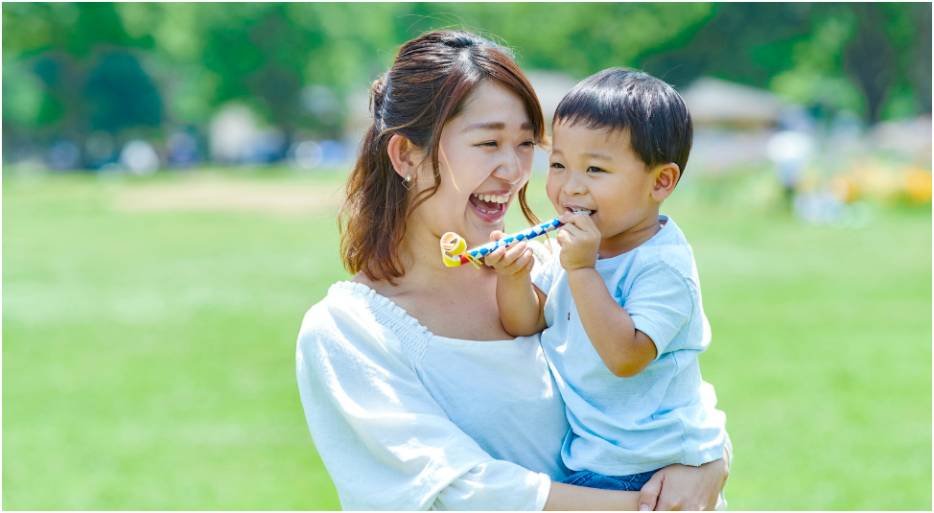
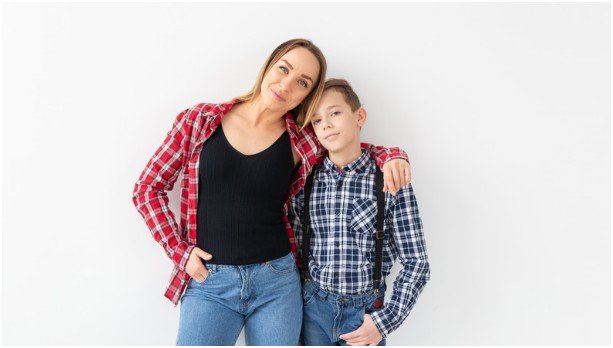
    I always think the best mother and son holiday outfits look coordinated, not copied. The goal is simple: choose colors, prints, or textures that connect both looks without making either outfit feel like a costume.

    For vacation photos, this small styling shift makes a huge difference. A matching palette feels polished, while identical clothing can look stiff. I prefer outfits that let mom feel elegant and let her son stay comfortable enough to run, eat, nap, and explore.

    How to Coordinate Without Looking Too Matchy

    How to Coordinate Without Looking Too Matchy

    The easiest rule is to match one thing only. Match the color, print, or fabric, but not all three at once. For example, if mom wears a tropical floral dress, her son can wear a shirt with one color from that print.

    For beach trips, I like cotton, linen, and lightweight blends because they breathe well. The American Academy of Dermatology also recommends tightly woven clothing for better sun protection, especially outdoors. Darker and denser fabrics usually protect more than loose, open weaves.

    My 3-Part Outfit Formula

    I use this simple formula: one shared color, one relaxed fabric, and one location-based detail. For a beach resort, that may be sage green, linen, and sandals. For a city holiday, it may be navy, cotton, and clean sneakers.

    This keeps mother and son holiday outfits stylish, wearable, and easy to pack.

    Beach and Tropical Resort Outfit Ideas

    Beach and Tropical Resort Outfit Ideas

    Beach outfits should feel breezy, washable, and bright enough for photos. Tropical leaf prints work beautifully when used carefully. Mom can wear a flowing maxi dress, while her son wears a short-sleeve Hawaiian shirt with matching green, blue, or coral tones.

    Nautical stripes are another safe choice. A navy-and-white sundress pairs well with a striped polo or cotton tee. This looks classic near the beach, on cruises, or during coastal dinners.

    Linen co-ords are my favorite for hot destinations. Mom can wear a linen wrap dress or two-piece set, while her son wears a linen shirt with shorts. Beige, cream, sage, sky blue, and soft olive all photograph well.

    Casual Daytime Sightseeing Looks

    Casual Daytime Sightseeing Looks

    Sightseeing outfits need comfort first. Monochromatic pastels are easy and cute. Mom can wear a mint midi dress, while her son wears a mint polo or tee with neutral shorts.

    Denim and white also works almost anywhere. I like a white cotton blouse with denim shorts for mom and a white linen shirt with light denim shorts for him. It feels clean without trying too hard.

    Earth tones are perfect for museums, parks, road trips, and safari-style outings. Try olive, khaki, tan, and terracotta. Mom can wear an olive jumpsuit, while her son wears khaki shorts and an olive tee.

    For spring trips, you can also borrow ideas from Spring florals and soften the look with pastel prints, tiny floral accents, or light botanical colors.

    Elegant Holiday Evening Looks

    Elegant Holiday Evening Looks

    Evening outfits should feel a little more polished. Navy and white is one of the easiest combinations. Mom can wear a navy slip dress or cocktail dress, while her son wears a white linen button-down with navy chino shorts.

    Sunset tones also look beautiful at dinner. Coral, burnt orange, cream, and soft gold create a warm vacation mood. A coral dress for mom can pair with a cream shirt and neutral trousers for her son.

    For dressier family photos, avoid loud shoes and busy accessories. Let one outfit carry the statement. If mom wears print, keep his outfit simple. If his shirt has print, mom can wear a solid dress in the same color family.

    Shopping and Packing Tips That Actually Help

    Before buying mother and son holiday outfits, check fabric, fit, and repeat use. Cotton and linen are safer choices for warm weather because they feel breathable and relaxed. The CDC also recommends shade, hats, protective clothing, and sunscreen for sun safety during outdoor activities.

    I avoid outfits that only work once. A matching vacation set should also work for brunch, birthday photos, or summer weekends. That gives better value and makes packing easier.

    Pack one dressy set, two casual sets, and one beach-ready set. This covers most holidays without overpacking. Add neutral sandals, sneakers, hats, and one light layer for cooler evenings.
    FAQs About mother and son holiday outfits

    1. What are the best colors for mother and son holiday outfits?

    Navy, white, beige, sage, coral, sky blue, and olive are easy to coordinate and photograph well.

    2. Do mother and son outfits need to be identical?

    No. Matching colors, prints, or fabrics usually looks more stylish than wearing the exact same outfit.

    3. What should mom and son wear for beach photos?

    Try linen, cotton, nautical stripes, tropical prints, or soft pastel shades for a relaxed vacation look.

    4. Are floral outfits good for mother and son styling?

    Yes. Mom can wear florals while her son wears one matching color from the print.

    The Final Fit Check: Cute, Not Costume

    The best mother and son holiday outfits should feel natural, comfortable, and camera-ready. Pick one shared detail, dress for the location, and keep your son’s comfort at the center.

    My favorite tip? Choose outfits that look good in motion, not just in posed photos. Real holidays are sandy, sunny, messy, and sweet, so let the clothes move with the memories.