
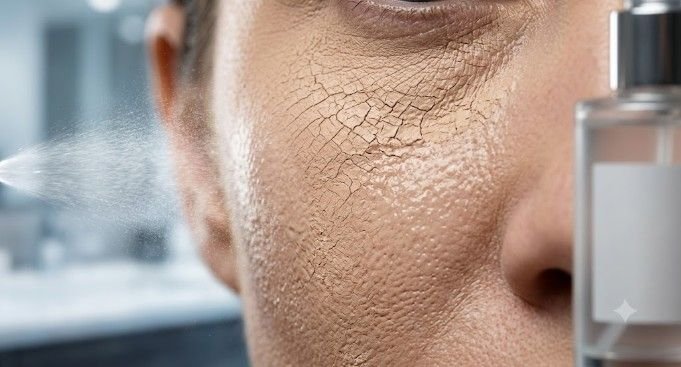
We have all been there. You spend thirty minutes meticulously blending your makeup, take one step into the daylight, and realize your face looks like a cracked desert landscape. Instead of a smooth, airbrushed finish, your base looks heavy, patchy, and distinctly unnatural.
Learning how to fix cakey foundation is an essential beauty skill that saves your time, your sanity, and your favorite products from being thrown in the trash.
The Quick Fix: How to Save Existing Makeup
Press the Product with a Damp Sponge
If your foundation already looks heavy or patchy, you do not need to wash your face and start over. Avoid wiping the foundation, as this will only smear the pigment and create streaks. Instead, use a bouncing or pouncing motion with a clean, damp makeup sponge to press the product directly into your skin. The gentle pressure and humidity will smooth out the excess product seamlessly.
For better blending and to prevent lifting coverage, spritz the sponge with a hydrating setting or facial mist first. The dampness helps re-emulsify the dried cosmetics, allowing the layers to fuse together naturally. This quick physical manipulation lifts away the heavy top layer of makeup while leaving the underlying coverage intact.
Add Targeted Moisture to Dry Zones
Cakey makeup is usually caused by dryness or over-application of heavy matte products. To counteract this, spritz your face with a hydrating face mist or tap a tiny drop of lightweight moisturizer onto the affected areas before blending with your sponge. Focus specifically on high-movement zones like the corners of the mouth, under the eyes, and around the nostrils.
This targeted hydration instantly revives the flexibility of your makeup base. By reintroducing moisture to dry patches, you allow the pigments to settle flat against the skin rather than clinging to dead skin cells. Keep a travel-sized mist in your bag for quick touch-ups throughout the day.
Remove Excess Oil Safely

If your makeup caked because of sweat or oil production, adding more wet products might cause the base to break apart entirely. Instead, gently press oil blotting paper into your T-zone to lift the excess sebum without disturbing the foundation underneath. Avoid dragging the paper across your skin, which destroys the structural integrity of your cosmetics.
Once the surface oils are safely absorbed, you can re-evaluate the texture of your skin. Often, simply removing the shiny, pooling oils will make the foundation look cohesive again. If a slightly dry texture remains after blotting, a very light misting of setting spray will lock everything back into place.
Spot-Blend with Setting Spray
If the foundation is settling into deep lines around your mouth or nose, lightly spray a dense foundation brush with a makeup setting spray. Buff the edges of the cakey area in tiny circular motions. This technique acts like an eraser, breaking down bunched-up pigments and redistributing them evenly across the skin surface.
Using a brush coated in setting spray provides more structural control than a standard sponge. It allows you to target micro-creases without altering the makeup on your cheeks or forehead. This method works exceptionally well for high-coverage formulas that have already set to a completely matte finish.
Prevention Strategies: How to Avoid Cakiness Next Time

Prep Your Complexion Correctly
To avoid dealing with cakey foundation in the future, refine your prep and application techniques. Exfoliate regularly to remove dry, flaky patches, and always apply a generous layer of moisturizer suited to your specific skin type. If your skin is rough or unhydrated, any liquid coverage you apply will inevitably cling to surface texture.
Crucially, ensure your skincare products absorb completely before applying primer or foundation. Waiting three to five minutes between your skincare and makeup steps prevents the different formulas from mixing into a thick, pasty film on your face. A smooth, hydrated canvas is the absolute baseline requirement for an airbrushed look.
Match Your Formula Bases
Check that your skincare, primer, and foundation have compatible bases to prevent chemical separation. If your moisturizer is water-based, use a water-based foundation; if it is silicone-based, use a silicone foundation. Mixing a water-based primer with a silicone-based foundation causes the products to repel each other, leading to immediate pilling and texture.
You can easily check the ingredient list on your favorite bottles to determine their base. Silicone products typically feature ingredients ending in -cone or -siloxane near the top of the list, while water-based options list aqua as the primary component without heavy silicones following closely behind. Matching these systems keeps your makeup looking unified all day long.
Apply Thin Layers Strategically
Instead of applying one thick coat of product all over your face, use a single pump or less of foundation. Dot the fluid directly onto the center of your face where redness typically occurs, and blend outward toward your hairline. Apply more product only to specific areas where extra coverage is needed, such as over blemishes or dark spots.
Building your coverage incrementally prevents the suffocating weight that triggers a heavy look. Modern foundations are highly pigmented, meaning a tiny amount goes a very long way when distributed correctly. By keeping the perimeter of your face light, your makeup looks like real skin.
Diffuse Powder with Caution
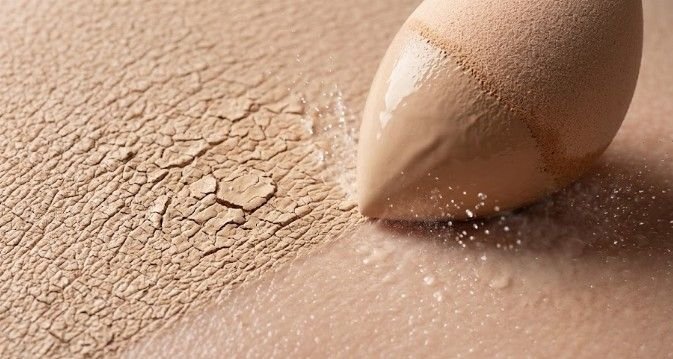
Too much powder emphasizes skin texture and robs your complexion of its natural dimension. Use a fluffy brush to dust translucent powder only on the areas that get shiny, such as the T-zone, rather than baking your entire face. This targeted setting method keeps your look fresh while controlling unwanted midday oils.
If you accidentally apply too much powder, do not panic. You can melt the powdery texture away by using the damp sponge method mentioned earlier in this guide. Shifting from a heavy hand with powder to a minimalist approach will completely revolutionize how your makeup wears over long periods.
Frequently Asked Questions
1. Why does my makeup look texturized immediately after application?
This issue typically happens when your skin is dehydrated or when your skincare products have not fully sunk into your skin before you apply your liquid foundation.
2. Can I fix a heavy makeup look without washing it all off?
Yes, you can easily save your look by pressing a damp makeup sponge infused with a hydrating facial mist over the patchy areas to melt the excess product away.
3. How do I stop my concealer from creasing under my eyes?
Apply your concealer in incredibly thin layers, blend it out thoroughly with a damp sponge, and set it immediately with a micro-amount of translucent powder.
4. Does primer actually stop your foundation from looking cakey?
A primer acts as a barrier that prevents your skin from absorbing the moisture out of your foundation, provided the primer base matches your foundation base perfectly.
The Beautiful Breakdown: Your Flawless Finish Awaits
Learning how to fix cakey foundation is a total game changer for your daily beauty routine. By embracing damp blending tools, matching your product ingredients, and applying makeup in light layers, you can say goodbye to heavy texture forever.
Beautiful, skin-like coverage is completely achievable when you treat your skin with care and use the right melting techniques. Remember to use safe skincare ingredients during pregnancy if you’re an expecting mother.