
Staring at rows of foundation at the beauty counter used to feel like a complete guessing game until this breakthrough happened. Discovering how to find your skin undertone completely transformed my beauty routine from a mismatched mess into a seamless canvas of pure, radiant confidence.
You have probably felt that exact frustration when a cosmetic shade looks perfect inside the glass bottle but turns bizarrely orange or ghostly gray the second it touches your face.
The missing puzzle piece is never the depth of your complexion, but rather the quiet color temperature whispering just beneath the surface of your skin.
Key Takeaways
- Undertones remain completely permanent: Surface color changes with the seasons, but your underlying hue stays identical for life.
- Look past basic categories: True color theory includes rare olive and peach variations, not just standard warm or cool.
- Natural daylight is mandatory: Artificial lighting creates a false color cast that ruins your shade-matching accuracy.
- Match to your jawline: Always blend your cosmetic swatches along the jaw rather than the center of your face.
- Wrong hues cause sallow skin: Wearing the wrong tone creates an ashen or ghostly makeup mask appearance.
Why Mastering This Beauty Lesson Matters
Understanding your specific complexion profile saves your wallet from bad purchases and upgrades your everyday glamour instantly.
Learning how to find your skin undertone acts as a permanent cheat code that prevents you from looking washed out, sallow, or ashy in your favorite cosmetics. It ensures every liquid foundation, concealer, lipstick, and eyeshadow you buy works in perfect harmony with your natural chemistry rather than fighting against it.
The Core Blueprint of Complexion Architecture
Understanding the physical structure of your skin color is the ultimate secret weapon for any beauty enthusiast looking to elevate their look.
Your surface skin tone is simply the outer layer of melanin that changes when you tan in the summer or fade during the winter months. This outer shade easily categorizes your complexion into broad, visible groups like fair, light, medium, tan, deep, or rich.
Beneath that shifting surface lies your permanent undertone, which is the static hue that never alters regardless of sun exposure of skin or skincare treatments.
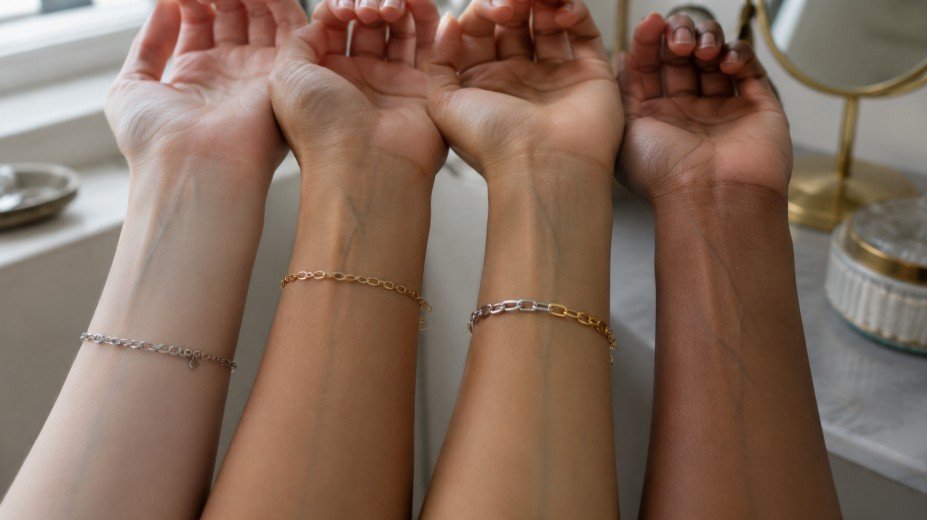
To determine your skin’s undertone, which is the hue beneath the surface that never changes, examine your bare wrist in natural light. Cool undertones show blue or purple veins, warm tones reveal green or olive veins, and neutral or olive tones feature a mix of colors or a subtle green cast.
The Big Four Color Temperature Profiles
Navigating the beauty universe requires a firm grasp on the distinct categories that define our underlying complexions.
The Icily Radiant Cool Category
People belonging to this group possess distinct hints of pink, rosy red, or soft bluish hues running quietly through their skin cells. This profile is incredibly vibrant but can struggle significantly with sudden flushing, surface redness, or high sensitivity to environmental changes.
The Sun-Kissed Golden Warm Group
This category shines beautifully with rich yellow, soft peachy, or deep golden shades that give off an effortless warmth. Your complexion thrives when surrounded by rich, sunny pigments that enhance the organic, glowing depth of your natural facial structure.
The Balanced Neutral Equilibrium Spectrum
Individuals in this specific category present an incredibly even, harmonious mix of both cool and warm hues without leaning heavily toward either side. This balance offers immense versatility in the beauty world, allowing you to sample an extensive range of cosmetic palettes without experiencing harsh clashing.
The Elusive Olive Complexion Secret

This often-misunderstood profile features a distinct combination of neutral or warm base notes beautifully laced with unique green, ashen, or grayish hues. Classic beauty guides completely overlook this category, leaving many people feeling sallow when forced into traditional, overly yellow foundation bottles.
Discovering Your Match with Simple Home Tests

Cracking the code to your unique underlying complexion requires a few simple, strategic tests performed right in the comfort of your home.
Several simple, at-home tests can help confirm your specific undertone, and using them together provides the most accurate results for your cosmetic routine. Knowing how to find your skin undertone becomes incredibly easy once you look at how your face interacts with simple objects, colors, and the sun.
The Classic Jewelry Comparison
Look at which metal makes your skin look radiant and bright rather than dull or washed out against your reflection. Cool complexions look best in silver, platinum, or white gold, while warm tones find their perfect match in rich yellow gold.
Neutral skin types are highly versatile and complement both metals equally well, giving you complete freedom at the jewelry counter.
The Pristine White Paper Challenge
Hold a piece of stark white copy paper or a pure white shirt next to your clean, makeup-free face in natural light. Cool profiles look rosy, pink, or slightly bluish in comparison, whereas warm skin casts a yellowish, peachy, or golden glow against the white paper.
Neutral complexions look completely balanced, though you may find you look your absolute best in off-white or cream colors.
The Organic Sun Reaction Observation
Observe how your skin responds to sun exposure when you spend an afternoon outdoors without heavy sunblock. Cool skin types tend to burn or turn red very easily before, or instead of, tanning, which requires extra care. Warm tones tan easily and rarely burn, often developing a bronzed glow, while neutral tones tan easily but can occasionally burn.
The Interactive Friend Comparison Method
If you are still unsure, especially if you have deeper skin tones where veins can be difficult to read, compare bare, makeup-free celebrity-like face with a friend in natural daylight.
Look for subtle, underlying hues like extra pinkness or green-gray tones when compared to someone with a similar skin depth. This collaborative approach removes the guesswork and makes identifying your unique undertone a fun, social beauty experiment.
The Ultimate Smart Guide to Real Life Beauty Application
Applying this newfound color knowledge transforms the way you shop for products and style your daily outfits.
Navigating the Liquid Foundation Aisle
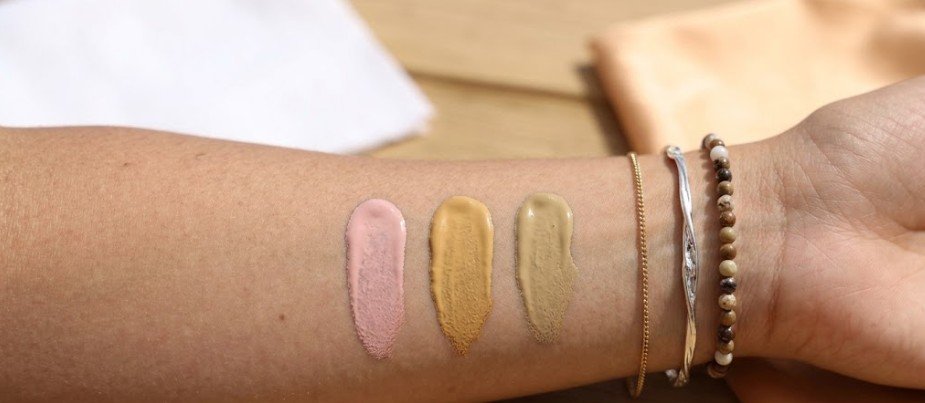
When shopping for complexion products, look closely at the shade names and letters on the packaging, which usually feature letters like C, W, or N. Cool foundations will have pink or rosy bases, warm products lean toward golden yellow, and neutral formulas sit perfectly in the middle.
Matching the product base to your underlying hue prevents that dreaded line around your jaw where your makeup completely ends.
Selecting Your Perfect Signature Lipsticks
Lipstick shades can make or break your makeup look depending on how well they align with your underlying color temperature.
Cool profiles shine brightest in berry tones, plums, and blue-based red lipsticks that make teeth look incredibly white. Warm complexions look beautiful in terracotta, peach, coral, and orange-based reds that enhance the natural warmth of your smile.
Building a Harmonious Wardrobe Palette
Your wardrobe benefits immensely from this color theory, as certain fabric dyes will naturally make your skin pop while others make you look tired. Cool complexions stun in jewel tones like sapphire, emerald, and ruby, while warm complexions look stunning in earthy olive, mustard, and rust.
Neutral individuals can comfortably jump between both worlds, though muted pastels often look exceptionally elegant on their balanced skin.
Frequently Asked Questions
1. What is the rarest skin tone color?
A deep complexion combined with a starkly cool, blue undertone or a fair complexion featuring a true, green-dominant olive undertone are considered the rarest variations in global beauty color theory.
2. Is there an app that finds your skin undertone?
Yes, popular beauty retail applications use advanced camera scanning technology to analyze color metrics, though variance in phone screen calibration can occasionally skew the final results. Learn how to find your skin undertone using these tools with caution.
3. How do I check my skin tone?
Wash your face completely, wait fifteen minutes for surface redness to subside, and observe your jawline in natural sunlight using a hand mirror to accurately evaluate your outer surface depth.
4. Can AI tell me my skin tone?
Artificial intelligence color-matching tools can accurately analyze your skin tones, provided your upload features high-resolution imagery taken under balanced, indirect, natural daylight conditions without filters.
Celebrate Your Perfect Cosmetic Alignment
Unlocking the mystery of how to find your skin undertone is the ultimate turning point that elevates your personal beauty journey from standard guesswork to pure artistic mastery.
Once you align your cosmetics with your natural biological color palette, your makeup ceases to look like a heavy layer of product and becomes a flawless, glowing extension of your authentic self.