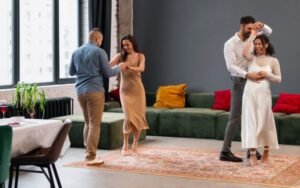
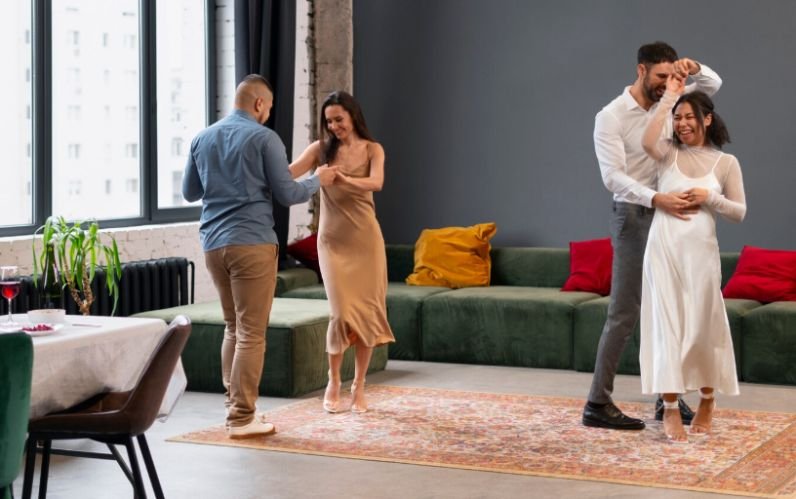
Creating a dedicated space for dancing at home is a growing trend among enthusiasts and professionals alike. Installing a home dance floor allows individuals to practice and enjoy dance in the comfort of their own living spaces. However, selecting the right floor requires careful consideration of several factors to ensure durability, safety, and suitability for various dance styles.
Understanding the Importance of a Home Dance Floor
A home dance floor serves as a specialised surface designed to meet the needs of dancers. Unlike regular flooring, it provides appropriate cushioning, traction, and shock absorption, which helps to prevent injuries. Inadequate or unsuitable flooring can lead to discomfort, strain, or long-term damage to joints, making the choice of floor a critical aspect of any home dance setup.
Types of Flooring Suitable for Home Dance Areas
Several types of flooring can be used for dance purposes, each with its own advantages and disadvantages. Popular options include vinyl marley floors, hardwood, laminate, and sprung floors. Understanding these different materials helps users select the most appropriate one based on their budget, space limitations, and dance discipline.
Vinyl Marley Flooring
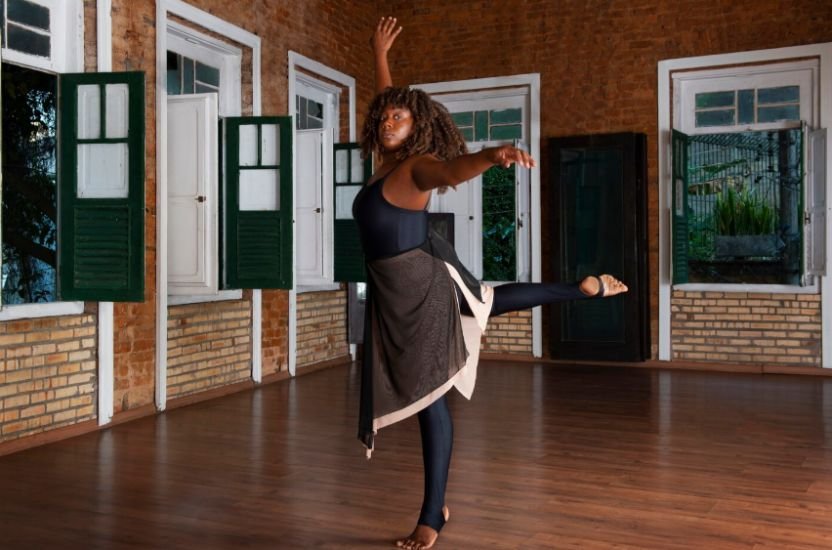
Vinyl marley flooring is a common choice in professional studios and also for home use. It is a durable and resilient surface providing suitable grip without being sticky. The smooth, matte finish allows for fluid movement, making it ideal for ballet, contemporary, and jazz dance styles. Marley floors are relatively easy to install and clean, adding to their appeal for home environments.
Hardwood Floors
Hardwood is favoured for its classic appearance and excellent performance for many dance styles. It offers a natural feel and is particularly suitable for ballroom, tap, and salsa dancing. However, it can be hard on joints without additional cushioning. Installing a sprung subfloor beneath hardwood can mitigate this issue by providing shock absorption and reducing fatigue.
Laminate Flooring
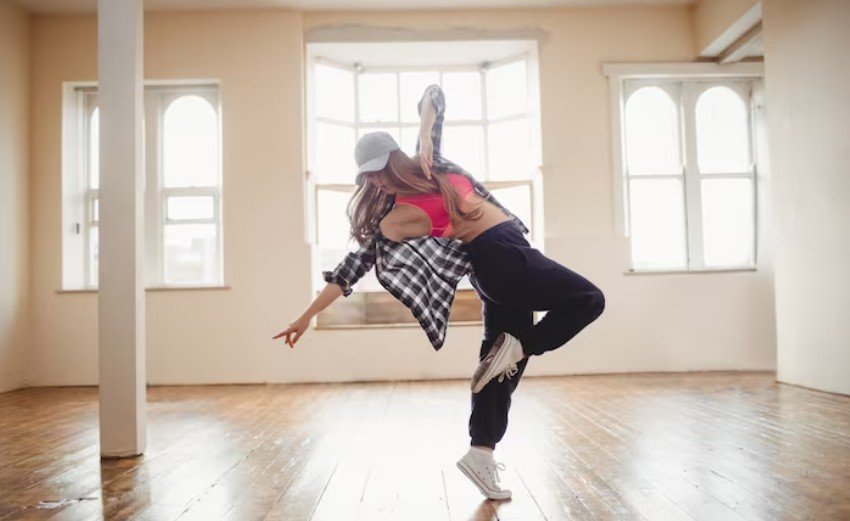
Laminate flooring is an economical alternative that imitates the look of hardwood. While it is durable and relatively easy to maintain, it can sometimes be too slippery or too rough depending on the finish. If chosen for dance purposes, it is advisable to pair it with an appropriate underlay to enhance cushioning and safety.
Sprung Floors
Sprung floors are engineered to absorb shocks, reducing the impact on dancers’ joints. They are considered the gold standard for dance studios and professional performances. For home use, sprung floors can be installed beneath other surface materials, such as hardwood or vinyl, offering both comfort and performance benefits, though they typically require a higher investment.
Factors to Consider When Selecting a Home Dance Floor
Available Space
One of the first considerations is the size and shape of the available room. The floor covering should fit well within the area, allowing sufficient room for movement. Modular flooring solutions can be beneficial in smaller or multi-purpose spaces, enabling users to assemble or dismantle the dance floor as needed.
Type of Dance
The style of dance influences flooring needs significantly. Ballet and contemporary dancers may prioritise smooth, non-slip surfaces such as marley, while tap dancers require hardwood floors that facilitate sound production. Latin and ballroom dancers might favour sprung hardwood floors for the balance of support and glide.
Installation and Maintenance
Ease of installation is an important practical aspect, especially for individuals setting up a floor in a home environment without professional help. Some flooring options come as interlocking tiles that can be laid down and removed easily. Maintenance requirements vary; vinyl and laminate are generally low maintenance, whereas hardwood may require regular polishing.
Budget Constraints
Cost can be a decisive factor. While high-end materials like sprung hardwood floors offer excellent performance, they may be cost-prohibitive for some homeowners. Vinyl marley provides a budget-friendly alternative without compromising functionality, making it a popular choice for many.
Durability and Longevity
A home dance floor represents an investment, so durability is key to ensure long-term use. Robust materials that resist scratches, dents, and wear tend to offer better value. Vinyl marley and quality hardwood floors typically provide reliable longevity if cared for properly.
Choosing Professional Suppliers
Purchasing a specialised home dance floor from a reputable supplier ensures access to materials designed specifically for dance purposes. Trusted providers often offer detailed guidance on choosing the appropriate floor, installation services, and aftercare advice.
Moreover, suppliers can provide various options such as portable floors for versatility, or fixed installation solutions to create a permanent dance area within the home.
Enhancing the Home Dance Experience
Aside from flooring, additional features can improve the home dance environment. Mirrors, sound systems, and adequate lighting contribute to a functional and motivating space. Floors with appropriate cushioning help reduce joint strain, enabling longer practice sessions without discomfort.
For families who use their dance space for themed performances or seasonal celebrations, creative ideas such as Beauty and the Beast family Halloween costumes can make at-home dance routines and special occasions more engaging and memorable.
Safety Considerations
Safety remains paramount when choosing and installing a home dance floor. Slipping hazards should be minimised through selecting floors with correct traction. Edges and joints between floor panels need to be secure to prevent tripping. It is also important to ensure the subfloor is level to avoid instability.
Portable Versus Fixed Dance Floors
Portable systems provide flexibility, especially in homes where space must serve multiple purposes. These floors can be assembled and stored away when not in use. Conversely, fixed floors offer stability and a professional feel but require allocation of dedicated space and generally more complex installation.
Environmental Considerations
Sustainability is increasingly important for consumers. Some home dance floors are manufactured from eco-friendly materials or feature recycling programs. Considering the environmental impact alongside quality and cost can guide a responsible purchase decision.
Conclusion
Selecting the perfect home dance floor involves balancing multiple factors including dance style, space, budget, and safety. Understanding the properties of different flooring types allows individuals to create a space conducive to practice and enjoyment. Investing in specialised flooring promotes longevity and wellbeing, ensuring home dance areas meet the demands of enthusiasts and professionals alike.