
Stepping into a dark, cramped room every single day can completely drain your daily energy and mood. For years, our central family gathering space felt like a gloomy cavern. It was shadowed by heavy window treatments and dated, dark accent walls.
That frustrating lack of brightness inspired an intensive design journey to completely transform our main floor layout. This a light and airy living room reveal marks the final chapter of swapping out visual clutter for breathing room and endless sunshine.
Grab a hot cup of coffee and let’s walk through every single design choice, texture, and structural secret that made this breezy transformation happen.
Light and Airy Living Room Reveal Is Truly Essential
Living in a dark room makes you feel like a cave dweller hiding from the modern world. We all deserve a home that feels like a sun-drenched resort, not a gloomy basement storage unit. Embarking on a light and airy living room reveal rescues your mental well-being and elevates your everyday living experience instantly.
Selecting the Ideal Bright Base Palette
Painting the walls is the fastest way to alter your perception of architectural space. Many homeowners mistakenly grab a generic bright white from the hardware store, only to find their walls look clinical or muddy in shifting afternoon shadows.
Our secret weapon for this project was diving deep into the Light Reflectance Value, or LRV, of our favorite color swatches. A higher LRV score means a paint color will bounce ambient light back into the room rather than absorbing it.
Finding the Right Undertones
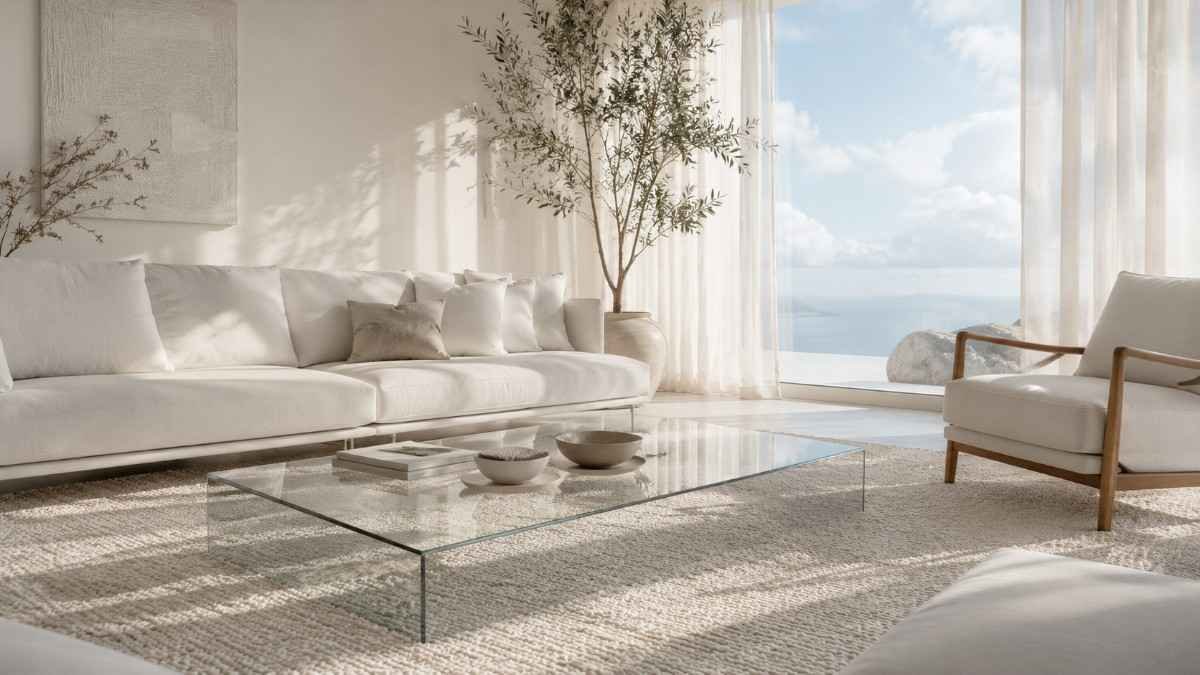
Selecting a paint color requires testing the formula under varying conditions from dawn until dusk. We bypassed stark, bluish whites that feel chilly and chose a soft, warm alabaster shade with subtle greige undertones. This specific base color reads as incredibly crisp during bright mornings while maintaining a cozy, comforting glow when evening lamps are lit.
Coating the Trim Correctly
Finishing the baseboards and window casings requires an intentional contrast in sheen to maximize the illusion of architectural depth. We coated all the surrounding trim in a semi-gloss pure white to catch structural light lines perfectly against our satin-finish walls. This subtle difference makes the ceilings appear much higher than they actually are by drawing the eyes upward.
Mastering the New Spatial Floor Plan Layout
Spreading furniture out along the perimeter of a space is a common trap that actually makes a room feel rigid and restricted. For this layout, we pulled our seating arrangements completely away from the walls to establish an open, floating conversational hub.
Navigating the Floating Furniture Plan
Positioning a large sofa in the center of the floor configuration allows natural walkways to remain fully open. We ensured there was a comfortable three-foot pathway entirely around the seating zone to promote relaxed movement and effortless traffic flow.
This deliberate spacing instantly gives the square footage an expensive, resort-like breathing room.
Selecting Multi-Functional Low Profiles
Keeping the sightlines clear across the entire room prevents the eyes from encountering abrupt visual roadblocks. We hunted for a modern linen sofa. Featuring lower back cushions and slim, tapered legs that elevate the base off the floor. Seeing the floor surface extend underneath the furniture tricks your brain into perceiving the overall room as far larger than its true dimensions.
Layering Textures to Eliminate Sterile Vibes
Monochromatic spaces run a major risk of feeling flat, uninviting, or reminiscent of an operating room. Our strategy to beat the boring white box look involved piling on diverse, tactile materials that felt incredible to touch.
Introducing Organic Elements
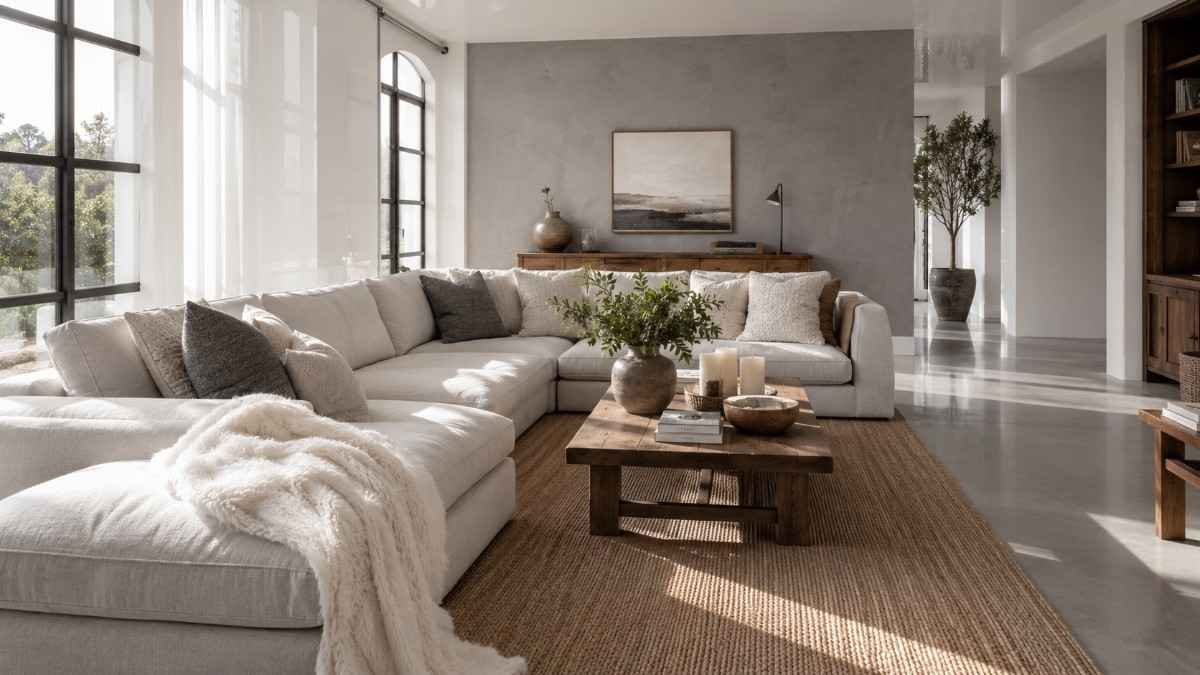
Bringing natural textures indoors breaks up the clean, synthetic lines of modern home manufacturing. We introduced a chunky jute area rug as our foundational floor piece. By layering a soft, ivory wool rug directly on top for maximum barefoot comfort. Woven rattan baskets tucked into vacant corners handle stray blankets while infusing rich, honeyed tones into the neutral landscape.
Mixing Wood and Metallic Tones
Balancing a pale room means grounding the space with a few elements that hold organic structural weight. We paired an unlacquered white oak coffee table with matte black iron hardware elements on our media console. The raw, open grain of the light wood injects natural character. While the black metal elements add just enough contrast to anchor the floating layout for modern style and home ideas .
How to Execute a Light and Airy Living Room Reveal Successfully
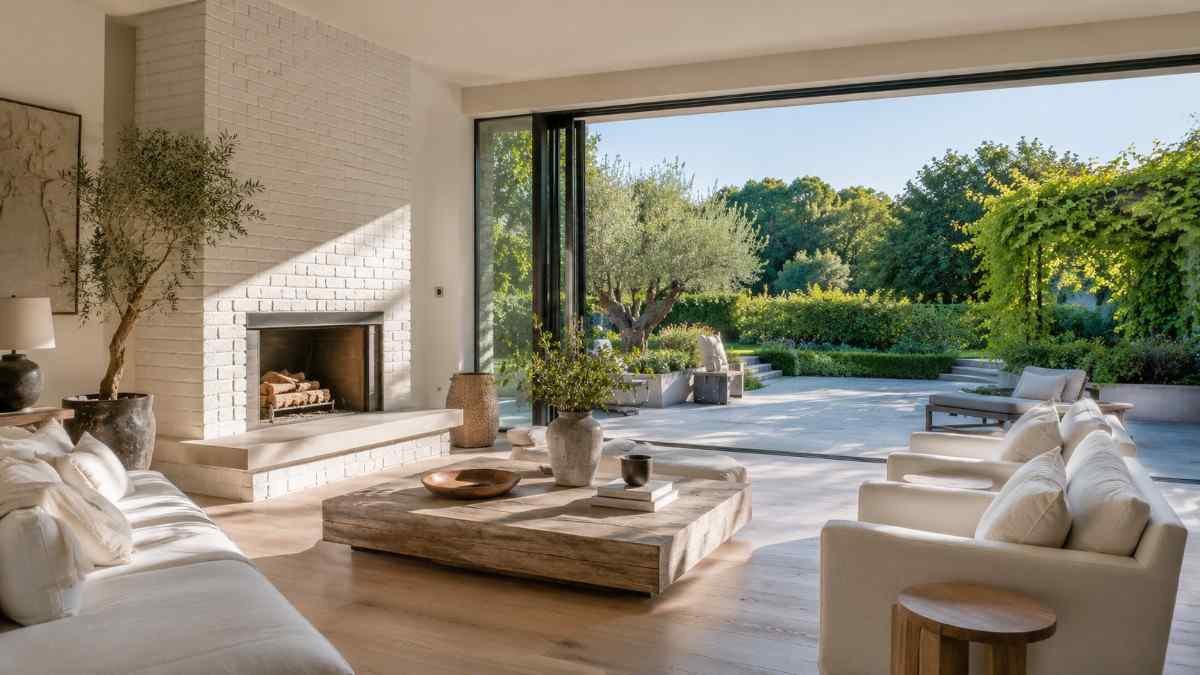
Bringing this bright aesthetic to life in your own home requires a systematic approach to editing your current belongings. Start by stripping away heavy, dark window draperies that block out the sun and replacing them with floor-to-ceiling sheer linen panels. This single adjustment instantly doubles the amount of usable natural light bouncing into the room.
Next, focus entirely on your furniture selections by opting for pieces that feature light, natural wood finishes like white oak or bleached ash. Incorporate plush, slip-covered seating solutions in crisp neutral fabrics that invite relaxation without adding visual weight. Keep surfaces beautifully decluttered, allowing the natural sunlight to illuminate clean lines and open spaces throughout the afternoon.
Finally, layer your floor surfaces with textured natural fibers such as tightly woven jute or sisal rugs to establish an organic foundation. Ground the entire arrangement by introducing live greenery, like an oversized potted tree, to bring a vibrant touch of nature indoors. These balanced layers ensure your bright sanctuary remains deeply inviting and structurally warm all year round.
Frequently Asked Questions
1. How to make a room feel light and airy?
To make a room feel light and airy, you must maximize natural sunlight with sheer linen drapery, utilize high-LRV paint colors, elevate furniture on exposed legs, and incorporate reflective glass or metallic surfaces to bounce illumination across the floor plan.
2. What is the 3-5-7 rule of decorating?
The 3-5-7 rule of decorating is a classic design principle stating that grouping decorative elements in odd numbers creates better visual balance, dynamic height variation, and a more organic, intentional styling arrangement compared to even pairs.
3. What is the new trend for living rooms?
The new trend for living rooms heavily favors warm minimalism, featuring performance boucle fabrics, rounded architectural silhouettes, earthy organic textures, and highly personalized vintage elements that completely replace cold, stark, and overly clinical modern design choices.
4. What is the 2/3 rule for living rooms?
The 2/3 rule for living rooms dictates that your chosen coffee table should measure approximately two-thirds the total width of your sofa. And your main seating pieces should comfortably cover two-thirds of your primary area rug for ideal proportions.
Spill the Tea on Your Bright New Space
Creating a dreamy, sun-drenched sanctuary is completely achievable when you replace heavy clutter with deliberate, light-reflective choices. This a light and airy living room reveal proves that the right mix of high-LRV paint, floating furniture layouts, and rich organic textures can turn any dim space into a breathtaking oasis. Focus on your foundational layers first, clear your primary sightlines, and watch your daily living space completely transform.