The right homeschool quiet time ideas for toddlers can turn the loudest part of your day into a calmer, more manageable routine. Toddlers are curious, busy, and full of energy, so quiet time should never feel like punishment.
It should feel like a special daily rhythm where they can build, listen, explore, and play independently while you guide older kids through focused lessons.
Why Homeschool Toddlers Need a Quiet Time Routine
A toddler quiet time routine gives your child a daily pause. Even if your toddler no longer naps, they still need a slower part of the day to reset. This helps them practice self-regulation, patience, and independent play.
Quiet time also helps you teach older siblings with fewer interruptions. When your toddler knows what to expect, your homeschool schedule feels less reactive. Instead of scrambling for activities during math or reading lessons, you already have a plan ready.
The key is to start small. A toddler may only manage 5 to 10 minutes at first. Over time, that can grow into 20, 30, or even 45 minutes of calm activity.
Low-Prep Quiet Bins for Homeschool Toddlers
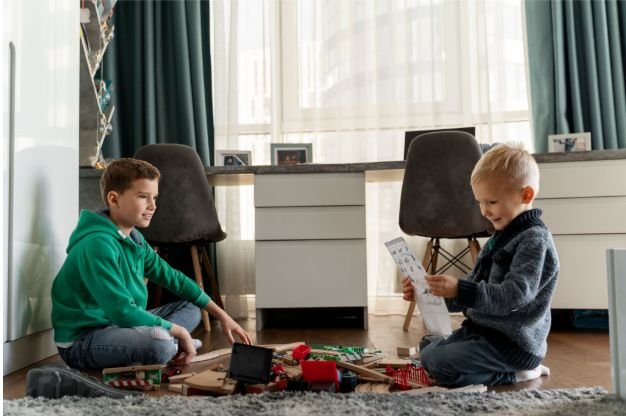
Quiet bins are designated toy containers used only during quiet time. This makes them feel special and keeps the activities fresh. I like quiet bins because they are simple, affordable, and easy to rotate throughout the week.
Magnetic tile building is one of the best quiet bin ideas because toddlers can build towers, shapes, houses, and flat designs on the floor. Pom-pom color sorting also works well. Place colored paper in a muffin tin and let your toddler sort pom-poms with a scoop or toddler-safe tongs.
Sticky wall matching is another fun option. Tape contact paper sticky-side-out to a wall and let your toddler press foam shapes, felt pieces, or paper cutouts onto it. For fine motor practice, add large buttons and pipe cleaners so your child can thread buttons quietly.
Sponge blocks are also excellent because you can cut kitchen sponges into soft building blocks that make almost no noise.
Mess-Free Creativity for Quiet Time
Creative play does not need to become a cleanup disaster. Mess-free activities help toddlers explore color, texture, and imagination while your homeschool space stays manageable.
Water-reveal books, such as Water Wow-style activity pads, are great because toddlers only need water to reveal pictures. Mess-free markers, like Color Wonder-style products, are also useful because they only work on special paper.
Dot sticker lines are another simple activity. Draw straight, curved, or zigzag lines on paper and let your toddler follow the lines with colorful stickers.
Window clings can also keep toddlers busy for longer than expected. Let them stick and peel reusable gel clings on a glass door or low window. This gives them sensory input, hand practice, and quiet play without glue, paint, or scattered supplies.
Screen-Free Audio and Literacy Ideas
Audio stories are one of the most underrated homeschool quiet time ideas for toddlers because they help children slow down without using a screen. A screen-free audio player, such as a Yoto-style or Toniebox-style device, allows toddlers to listen to stories, songs, or calming sounds independently.
Look-and-find board books are also perfect for quiet time. Toddlers can search for animals, colors, shapes, or familiar objects while flipping pages. You can also set up “stuffed animal school” by placing a few plush toys in a cozy corner. Your toddler can “read” picture books aloud to their animals while you work with older children.
These activities build early literacy, listening skills, and imagination without adding noise or screen dependence.
Sensory Quiet Time Activities That Stay Calm
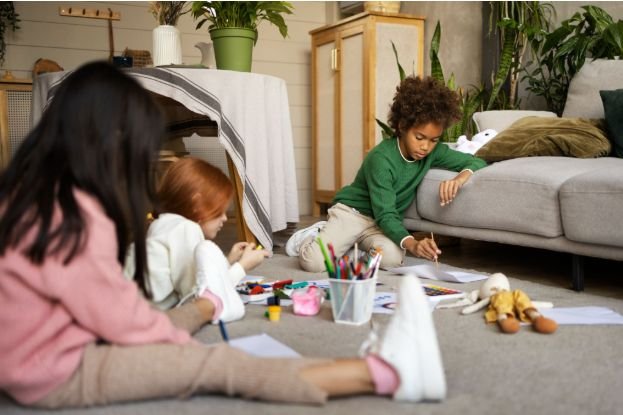
Sensory play helps toddlers focus, but it needs boundaries during homeschool hours. Quiet sensory activities that stay on a tray, mat, or small table are often the easiest to manage and reduce unnecessary distractions.
Setting clear expectations about where and how these activities take place is one of the positive parenting tips for everyday family life, helping children develop independence, follow routines, and enjoy creative play while respecting household rules.
Play dough works well when you give your child a tray, a rolling pin, and a few cookie cutters. Kinetic sand can also work if your toddler understands the rules. Sensory bottles are even easier because they offer visual calm without mess. You can make them with water, glitter, beads, buttons, or small plastic items sealed inside a bottle.
A dry sensory bin with oats, pasta, shredded paper, or rice can also be helpful, but only if your toddler can use it safely. Add scoops, cups, toy animals, or large letters to make the bin more engaging.
Montessori-Inspired Quiet Activities for Toddlers
Montessori quiet time activities work well because they encourage order, focus, and real-life skills. You do not need expensive materials to use this approach.
Try transferring cotton balls with tongs, matching socks, folding washcloths, wiping a small table, or pouring dry pasta from one cup to another. These practical life activities feel meaningful to toddlers because they love copying adult tasks.
Keep each activity on a tray. A clear beginning and end helps your toddler understand how to complete the task and clean up before moving on.
Quiet Time Ideas While Teaching Older Kids
When I teach older children, I choose toddler activities that require very little help. The best options are simple puzzles, magnetic tiles, quiet books, animal figures, pretend food, stacking cups, and reusable sticker books.
Before the homeschool lesson starts, set out one activity, a water bottle, and a small snack if needed. This prevents constant interruptions. It also helps to save special toys only for homeschool lesson time, so they feel excited when they appear.
If your toddler wants to be near you, create a small cozy corner beside the homeschool table. This lets them feel included without taking over the lesson.
How to Train Toddlers for Quiet Time
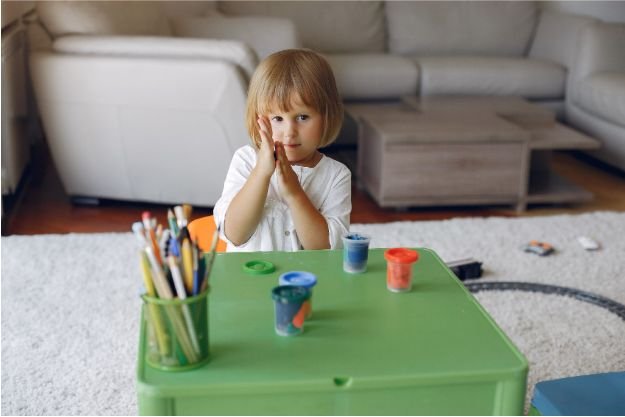
Training matters just as much as the activity. Use a visual timer because toddlers cannot understand regular clocks. A countdown timer helps them see when quiet time will end.
Begin with a very short time, even 5 minutes. Praise your toddler when they stay in the quiet area or finish an activity. Add a few more minutes only when they are ready.
Set one or two clear rules. For example, “Play dough stays on the tray” or “You stay in the cozy corner until the timer beeps.” Simple rules are easier for toddlers to remember.
Common Mistakes to Avoid
One mistake is offering too many choices. When toddlers see too many toys, they often dump everything and move on. A single quiet bin usually works better than a crowded playroom.
Another mistake is expecting instant success. Independent play is a learned skill. Some days will go smoothly, and other days will feel messy. Stay consistent and keep the routine predictable.
Avoid using screens as the main quiet time tool. A short educational video may help occasionally, but screen-free quiet time activities build stronger focus, creativity, and independence over time.
Frequently Asked Questions FAQs)
1. How long should homeschool quiet time last for toddlers?
Start with 5 to 10 minutes and slowly build up to 20, 30, or 45 minutes depending on your toddler’s age and attention span.
2. What are the best quiet bins for toddlers?
The best quiet bins include magnetic tiles, pom-pom sorting, sponge blocks, chunky puzzles, button threading, pretend food, and reusable sticker activities.
3. How do I keep my toddler busy while homeschooling older kids?
Use a quiet bin, audio story, snack, board books, and a cozy corner near your homeschool space so your toddler feels included but stays occupied.
4. Are audio stories good for toddler quiet time?
Yes, audio stories are a great screen-free option because they support listening skills, language development, imagination, and calm independent play.
Final Thoughts
I believe homeschool quiet time ideas for toddlers work best when they are simple, repeated, and realistic. You do not need a perfect routine or expensive toys. You need a calm space, a few low-prep activities, and clear expectations.
Quiet bins, audio stories, mess-free creativity, sensory trays, and Montessori-style activities can help your toddler stay engaged while you teach older siblings. With practice, quiet time can become one of the most peaceful parts of your homeschool day.