
Homeschool meal planning for busy families works best when you remove daily decision-making and build a simple weekly rhythm your family can repeat. I have found that the hardest part is not cooking itself. It is deciding what to cook while balancing lessons, grading, errands, co-op days, sports, and a house full of hungry kids.
Instead of trying to create a brand-new menu every week, I like using a core list of family-favorite meals on rotation. This keeps grocery shopping predictable, lowers food waste, and prevents that stressful 5:00 p.m. dinner panic.
Why Homeschool Families Need a Meal Planning System
When kids learn at home, meals are not limited to breakfast and dinner. There are morning snacks, quick lunches, afternoon snacks, and sometimes extra food breaks between subjects. Without a plan, the kitchen can interrupt the school day again and again.
A good meal system keeps the day moving. It also helps families save money because meals are planned around what they already have, what is on sale, and what kids will actually eat. For me, the goal is not a perfect menu. The goal is a repeatable plan that protects learning time and makes home life calmer.
Build a Master Meal Rotation First
The easiest way to start is by brainstorming 10 to 14 meals your family already likes. These should be meals you can cook without overthinking, such as tacos, spaghetti, grilled cheese and soup, baked potatoes, chicken wraps, sheet-pan sausage, slow cooker chili, breakfast burritos, pasta salad, rice bowls, and homemade pizza.
Once you have that list, put those meals on a bi-weekly rotation. This one step makes homeschool meal planning for busy families much easier because you are no longer starting from zero every Sunday. You can repeat meals without guilt. Kids usually enjoy predictable favorites, and parents get a break from constant menu planning.
Assign Simple Themes to Weekdays
Theme nights help narrow choices fast. You do not need anything fancy. Try Taco Tuesday, Pasta Wednesday, Sheet Pan Thursday, Soup and Sandwich Friday, or Slow Cooker Monday.
Themes give each day an anchor. If Tuesday is always taco-style food, you can switch between beef tacos, chicken quesadillas, bean burritos, taco bowls, or nachos. The meal still feels flexible, but the decision is already half-made.
Easy Homeschool Breakfast Ideas
Breakfast should be simple, filling, and easy to repeat. Make-ahead options work especially well because mornings can get busy fast. Baked oatmeal squares, hard-boiled eggs, yogurt bowls, smoothies, frozen waffles, egg muffins, and pre-made breakfast burritos can keep everyone fed without turning the morning into a full cooking session.
I also like self-serve breakfasts for older kids. When children can grab fruit, toast, yogurt, or oatmeal on their own, the school day starts with less pressure on the parent.
Quick Homeschool Lunch Ideas for Kids

Lunch should feel like a break, not another major chore. I like using lunch as a hard boundary between school blocks. We close the books, step away from the table, eat something simple, and reset before the next part of the day.
Quick homeschool lunches can include turkey wraps, quesadillas, grilled cheese, pasta salad, tuna melts, rice bowls, leftovers, English muffin pizzas, or snack-board plates. A snack board can include cheese slices, crackers, grapes, baby carrots, hummus, boiled eggs, apple slices, or deli meat.
This style works well because kids can mix and match foods, and parents do not need to cook a full meal from scratch.
Batch Prep to Save the Week
Batch prep is one of the best time-saving habits for homeschool families. On weekends, I like cooking double portions of shredded chicken, ground beef, rice, pasta, soup, or muffins. Half can go in the fridge, and half can go in the freezer for a harder day.
Ingredient prep also helps. Wash fruit, chop vegetables, boil eggs, portion snacks, and thaw meat before the week begins. If you prep your slow cooker in the morning before lessons start, dinner is already moving before the busy part of the day takes over.
Turn Meal Prep Into Home Economics
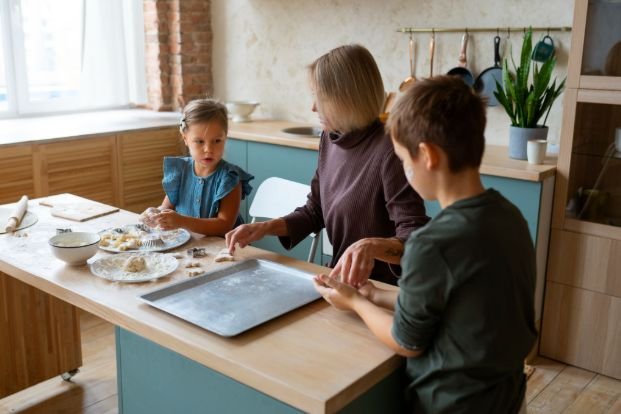
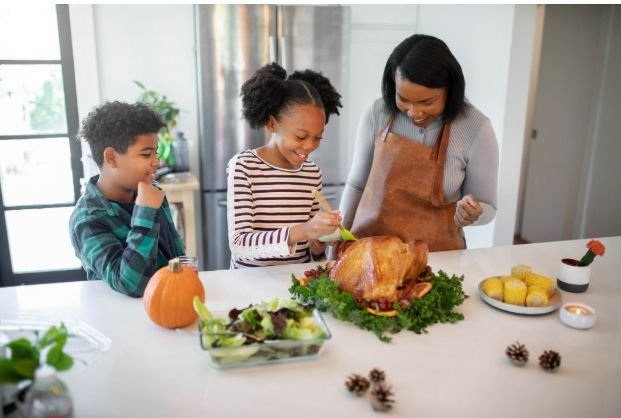
Meal planning can also become part of homeschool life. Older kids can chop vegetables, measure ingredients, read recipes, compare grocery prices, or manage simple side dishes. Younger kids can set the table, wash fruit, sort snacks, or help pack lunch plates.
This teaches practical life skills while lightening your workload. It also helps kids understand food, budgeting, time management, and responsibility in a natural way.
Budget-Friendly Homeschool Meal Planning Tips
Food costs can rise quickly when everyone eats at home all day. To save money, I plan around pantry staples like rice, oats, beans, eggs, pasta, potatoes, tortillas, frozen vegetables, canned tomatoes, peanut butter, and soup ingredients.
Before grocery shopping, check the fridge, freezer, and pantry. Build meals around what you already own, then fill in the gaps. This keeps the list shorter and reduces waste.
Affordable homeschool meals include bean burritos, egg fried rice, vegetable soup, baked potatoes, pasta with marinara, tuna sandwiches, oatmeal, pancakes, and leftovers. Planning simple, budget-friendly meals also leaves more time to enjoy homeschool outdoor learning activities kids love, such as nature walks, scavenger hunts, gardening, playground science observations, or outdoor reading sessions that keep children active while reinforcing everyday learning.
Healthy Snacks That Keep Kids Focused
Snacks help prevent constant interruptions during lessons. I like creating a pantry snack bin and a fridge snack bin so kids know what they can grab.
Good options include cheese sticks, yogurt, apples with peanut butter, popcorn, trail mix, boiled eggs, granola bars, cucumbers with ranch, hummus and pita, smoothies, and homemade muffins. When snacks are ready, kids ask fewer questions and parents get fewer interruptions.
Frequently Asked Questions (FAQs)
1. What is the easiest way to start homeschool meal planning?
Start by listing 10 to 14 meals your family already enjoys, then rotate them weekly or every two weeks.
2. What are the best quick homeschool lunches?
Wraps, quesadillas, snack boards, leftovers, grilled cheese, pasta salad, rice bowls, and baked potatoes are easy choices.
3. How can busy homeschool moms save time on meals?
Batch cook proteins, prep snacks, use slow cooker meals, freeze extras, and choose simple weekday meal themes.
4. How do homeschool families save money on food?
Plan around pantry staples, use leftovers, shop sales, avoid food waste, and repeat affordable family-favorite meals.
Final Thoughts
Homeschool meal planning for busy families is not about making every meal impressive. It is about creating a calm, repeatable system that supports your school day and your home life.
Start with 10 to 14 favorite meals, assign simple weekday themes, prep a few ingredients ahead, and let kids help where they can. Once meals become predictable, the whole homeschool day feels smoother, lighter, and easier to manage.