

Finding out you are expecting brings a wave of joy, but looking at your beauty vanity can trigger immediate panic. Upgrading your routine to protect your growing baby is a beautiful act of care, but navigating chemical labels feels like studying for a medical degree.
Splurging on a complex, ten-step routine is not necessary to keep your maternal glow intact. Making informed choices about safe skincare ingredients during pregnancy can easily clear up hormonal breakouts and calm unexpected sensitivity.
Key Takeaways
- Steer clear of high-risk synthetic retinoids, prescription acne treatments, and hydroquinone.
- Embrace plant-based alternatives like bakuchiol to safely target fine lines and wrinkles.
- Soothe hormonal acne and dark spots with azelaic and glycolic acids.
- Switch from chemical sunscreens to mineral formulas utilizing zinc oxide.
- Always consult your dermatologist or OB-GYN to verify individual product safety.
Obsessing Over Pregnancy-Safe Skincare Ingredients Matters Now
Let us be real: growing a human is a full-time job, but your changing hormones shouldn’t hold your face hostage. You deserve a stress-free pampering session without worrying if your night cream is secretly plotting a breakout coup.
Swapping out problematic formulas for safe skincare ingredients during pregnancy keeps you looking like a glowing goddess while ensuring your precious cargo stays entirely out of harm’s way on this wild nine-month ride.
Decoding Your Changing Maternal Complexion
Pregnancy hormones completely rewrite the rules of how your skin behaves over nine months. Surging estrogen and progesterone levels alter your sebum production, causing some women to experience severe dryness while others battle sudden, frustrating adult acne.
Your body also experiences a massive spike in melanocyte-stimulating hormone, which leaves you highly vulnerable to dark facial patches commonly called melasma.
Knowing that your skin barrier is hyper-reactive right now makes it essential to choose gentle, nourishing topicals that support your cellular health without causing systemic irritation.
Heavyweight Performers for Brightening and Acne
Managing hormonal flare-ups without relying on your usual chemical exfoliants requires a strategic product shift.
The Magic of Azelaic Acid
Calming angry red blemishes and stubborn hyperpigmentation becomes much easier when you introduce this multi-tasking dicarboxylic acid. Dermatologists highly recommend azelaic acid because it gently minimizes acne-causing bacteria while calming systemic inflammation across your cheeks and jawline.
It serves as a spectacular, risk-free substitute for hydroquinone by safely interrupting the pigment production process to fade dark spots without entering your bloodstream.
Embracing Gentle Alpha Hydroxy Acids
Exfoliating away dead skin cells remains crucial to keeping your pregnancy complexion vibrant and clear. While high-dose beta hydroxy acids are best left on the shelf, alpha hydroxy acids like glycolic acid and lactic acid are considered low-risk choices for expectant mothers.
Sticking to over-the-counter concentrations under 10% helps ensure that these fruit-derived acids remain entirely superficial, giving you an enviable radiance without irritating deep tissue.
Niacinamide and Vitamin C Synergy
Brightening a dull complexion requires a powerful duo of antioxidants that work beautifully alongside your daily hydration steps. Topical vitamin C acts as a brilliant shield against environmental free radicals, helping prevent dark patches from deepening whenever you step outside.
Layering it with niacinamide, also known as vitamin B3, strengthens your delicate moisture barrier, regulates excess oil production, and noticeably shrinks expanded pores.
Safe Skincare Ingredients During Pregnancy: Your Three-Step Daily Ritual
Transforming your daily beauty routine into a safe ritual requires simple, deliberate product adjustments.
Stepping into your morning routine should always start with a sulfate-free, low-foaming gel cleanser to purify your pores without stripping away precious natural lipids. After patting your face dry with a clean towel, gently press a dedicated vitamin C serum into your skin to activate antioxidant protection and promote collagen synthesis.
Finish your morning regimen by applying a generous layer of broad-spectrum mineral sunscreen containing non-nano zinc oxide to block harmful ultraviolet rays.
Winding down in the evening provides the perfect opportunity to repair environmental damage and deeply soothe your reactive skin barrier. Begin with a nourishing oat cleansing balm to completely dissolve away stubborn mineral SPF, sweat, and daily pollutants.
Follow up by applying a targeted treatment like a 10% azelaic acid serum or a plant-derived bakuchiol cream to stimulate cellular turnover overnight. Lock everything in with a rich, fragrance-free ceramide moisturizer packed with hyaluronic acid to keep your skin plump and hydrated until morning.
Defending Sensitive Complexions from Harmful Topicals
Protecting your developing baby means completely eliminating specific high-risk chemicals from your bathroom counter.

Say Goodbye to Retinoids
Prescription formulas like tretinoin and over-the-counter retinol must be completely discontinued the moment you decide to conceive. High oral doses of vitamin A derivatives are directly linked to serious congenital developmental issues, making topical versions an unnecessary risk for your beauty routine.
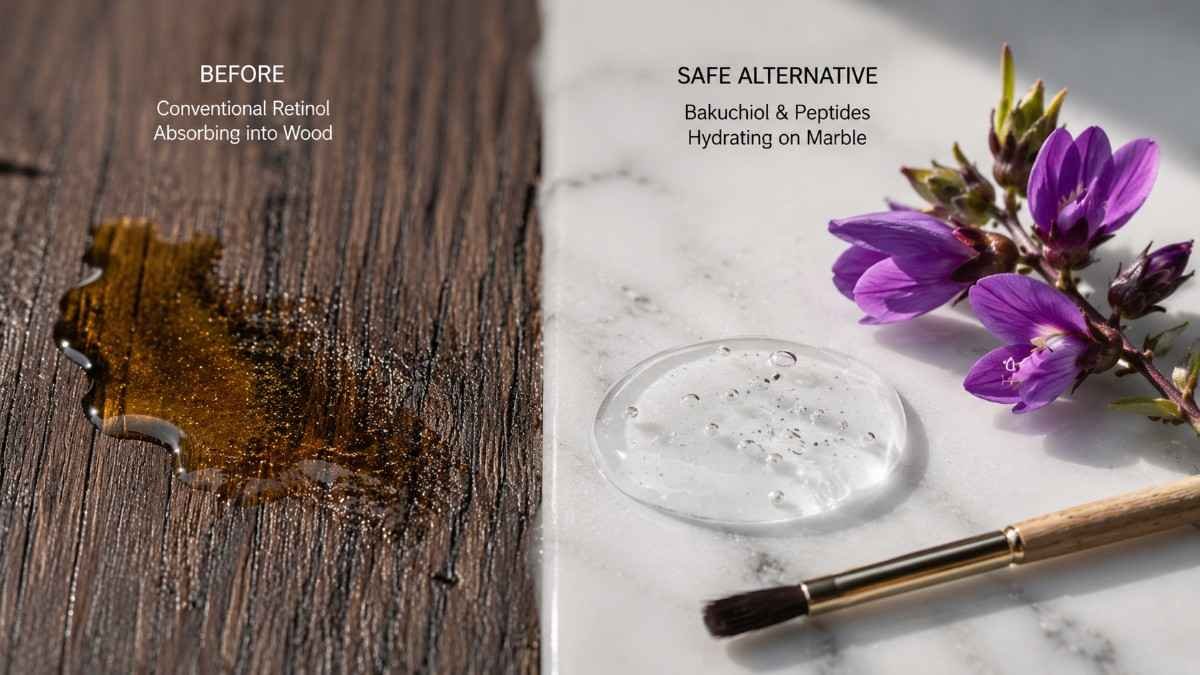
Swapping these out for bakuchiol delivers almost identical smoothing benefits for fine lines without triggering cellular toxicity or deep skin irritation.
The Dangers of Chemical Sunscreens
Traditional chemical UV filters can cause internal disruption that you definitely want to avoid while expecting. Ingredients like oxybenzone and avobenzone easily absorb through your skin barrier, with clinical studies showing they linger in maternal blood streams and breast milk.
Transitioning to physical blockers like titanium dioxide ensures your sun defense sits safely on top of your skin, deflecting heat without absorbing internally.
Frequently Asked Questions
1. What skincare ingredients should I avoid in pregnancy?
You must completely avoid topical retinoids, hydroquinone, chemical sunscreens like oxybenzone, and high-dose salicylic acid treatments. These specific compounds carry high systemic absorption risks that can negatively impact fetal development.
2. What ingredients are safe during pregnancy for skin?
Dermatologists recommend safe skincare ingredients during pregnancy such as azelaic acid, low-dose glycolic acid, vitamin C, niacinamide, bakuchiol, and mineral blockers like zinc oxide. These provide exceptional results without risking safety.
3. Is it okay to take Lexapro while pregnant?
Decisions regarding prescription antidepressants require a careful medical consultation directly with your primary OB-GYN. They will thoroughly analyze your mental health requirements against any potential low risks to your baby.
4. What skin care products are safe during pregnancy?
Gentle cleansers, hyaluronic acid serums, ceramide moisturizers, and physical mineral sunscreens are highly recommended for daily use. Always check your formulas using tools like the ScanSkinAI Ingredient Checker to stay safe.
Rocking Your Maternal Glow with Safe Skincare Ingredients
Curating a protective beauty routine does not mean sacrificing your signature glow or dealing with uncontrolled breakouts. Focusing on clinically validated, non-toxic alternatives like azelaic acid and mineral sunscreens allows you to cultivate gorgeous skin while keeping your baby perfectly safe.
Lean into this special chapter of your life with confidence, knowing your intentional choices are supporting your long-term maternal wellness.