Core drilling is a critical process in many construction projects, allowing professionals to create precise, circular holes in concrete, masonry, and other hard materials. The precision and efficiency of this technique depend largely on the quality and suitability of the core drilling drills used. Selecting the right tools not only enhances productivity but also ensures safety and reduces project costs in the long run.
Understanding Core Drilling
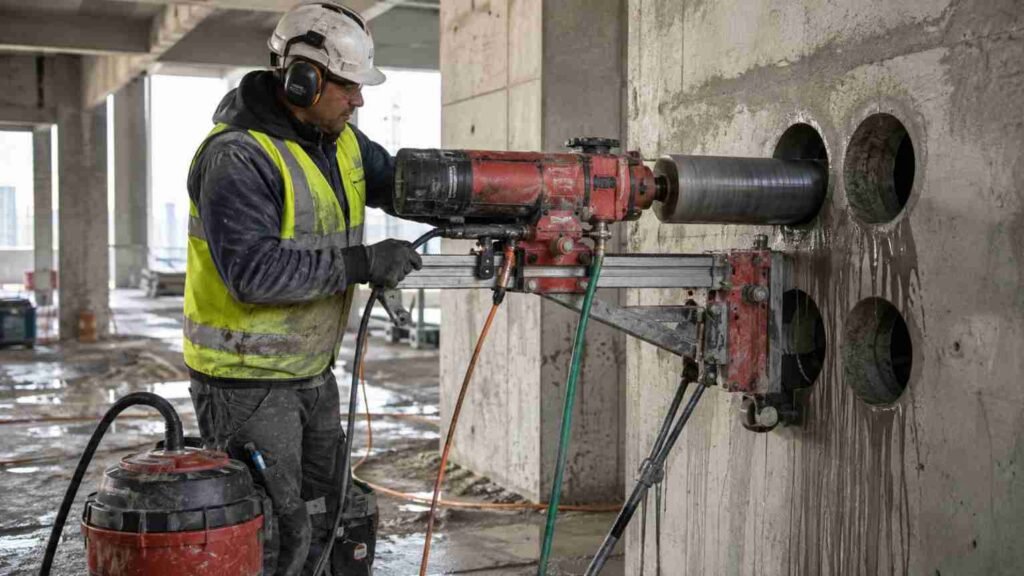
Core drilling involves using specialised drilling machines equipped with diamond-tipped drill bits to cut cylindrical holes in hard surfaces. This method is particularly common in tasks such as installing plumbing, electrical wiring, and HVAC systems through concrete walls or floors. It also plays a vital role in structural testing and sampling, where core samples are extracted for analysis.
The Importance of Using Quality Core Drilling Drills
Choosing the correct core drilling drills is essential to achieve clean cuts without damaging the surrounding material. High-quality drills offer superior durability and cutting performance, which is necessary when working with dense materials like reinforced concrete. They also provide consistent results and minimise the risks of equipment failure on site.
Factors to Consider When Selecting Core Drilling Drills
Several factors influence the choice of core drilling drills for a construction project. These include the type of material to be drilled, the diameter and depth of the required holes, and the nature of the project environment. For instance, drills designed for dry core drilling differ significantly from those suitable for wet drilling, where water is used to cool the drill bit and suppress dust.
Material Compatibility
The material being drilled dictates the type of core drill bit needed. For example, diamond core bits are standard for concrete and reinforced materials due to their hardness and cutting ability. In contrast, masonry bits may be more appropriate for softer materials.
Drill Diameter and Depth
Core drilling drills come in various sizes to accommodate different hole diameters and depths. Customisation is often necessary in projects requiring precise specifications. Oversized or undersized drill bits can lead to structural weaknesses or require additional finishing work.
Wet vs Dry Core Drilling
Wet drilling is generally preferred because it prolongs the tool’s lifespan by reducing heat and helps in dust control. However, dry core drilling is appropriate for situations where water use is impractical or prohibited. The selected drill must be compatible with the chosen method.
Types of Core Drilling Drills Commonly Used
The core drilling market offers a range of drills designed to meet various applications. The most commonly used drills include handheld core drills, rig-mounted drills, and hydraulic drills.
Handheld Core Drills
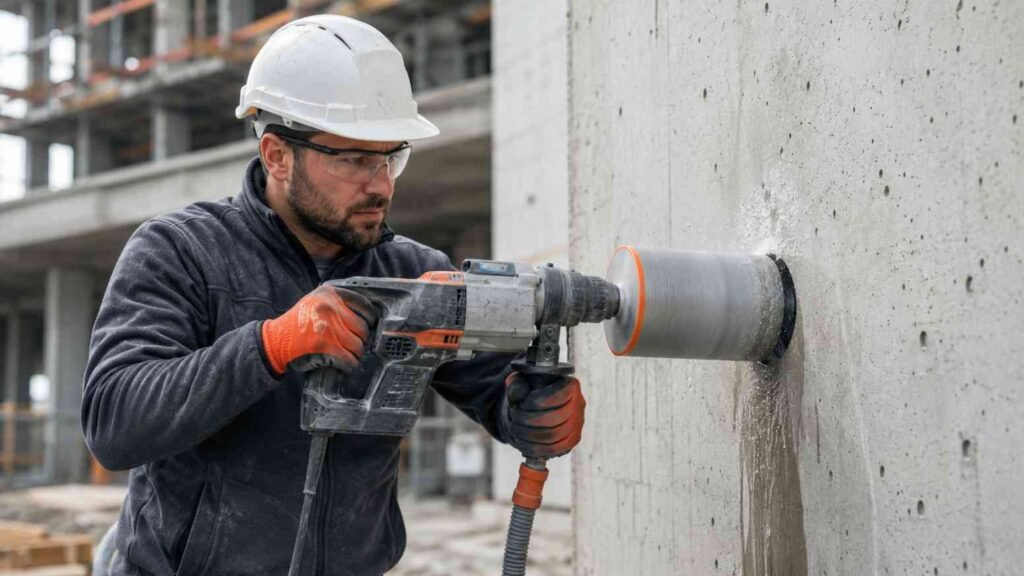
These portable drills are favoured for smaller jobs or where mobility is crucial. They are suitable for drilling limited holes with moderate diameters and depths. Their lightweight design allows for ease of use in confined or elevated spaces.
Rig-Mounted Core Drills
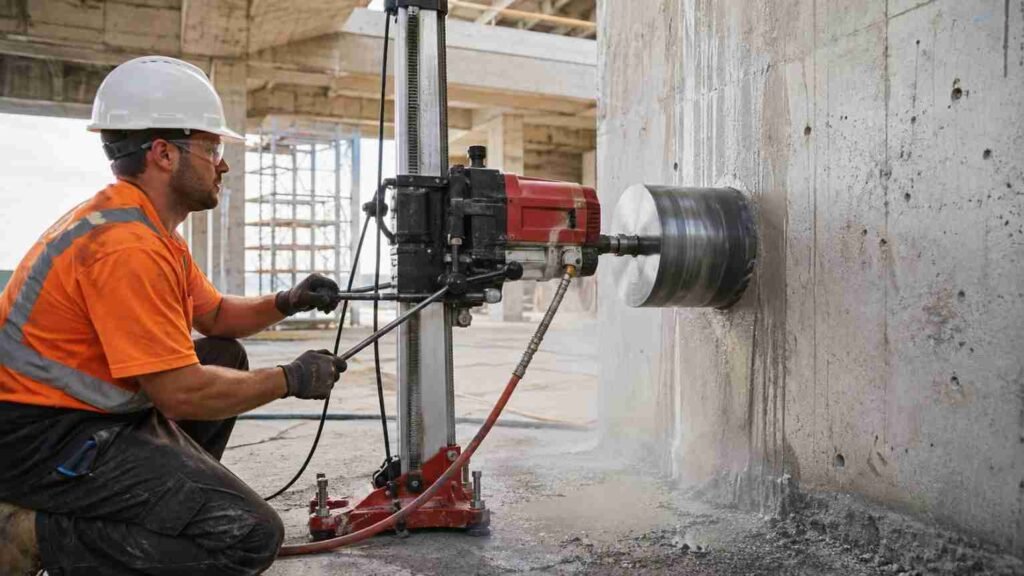
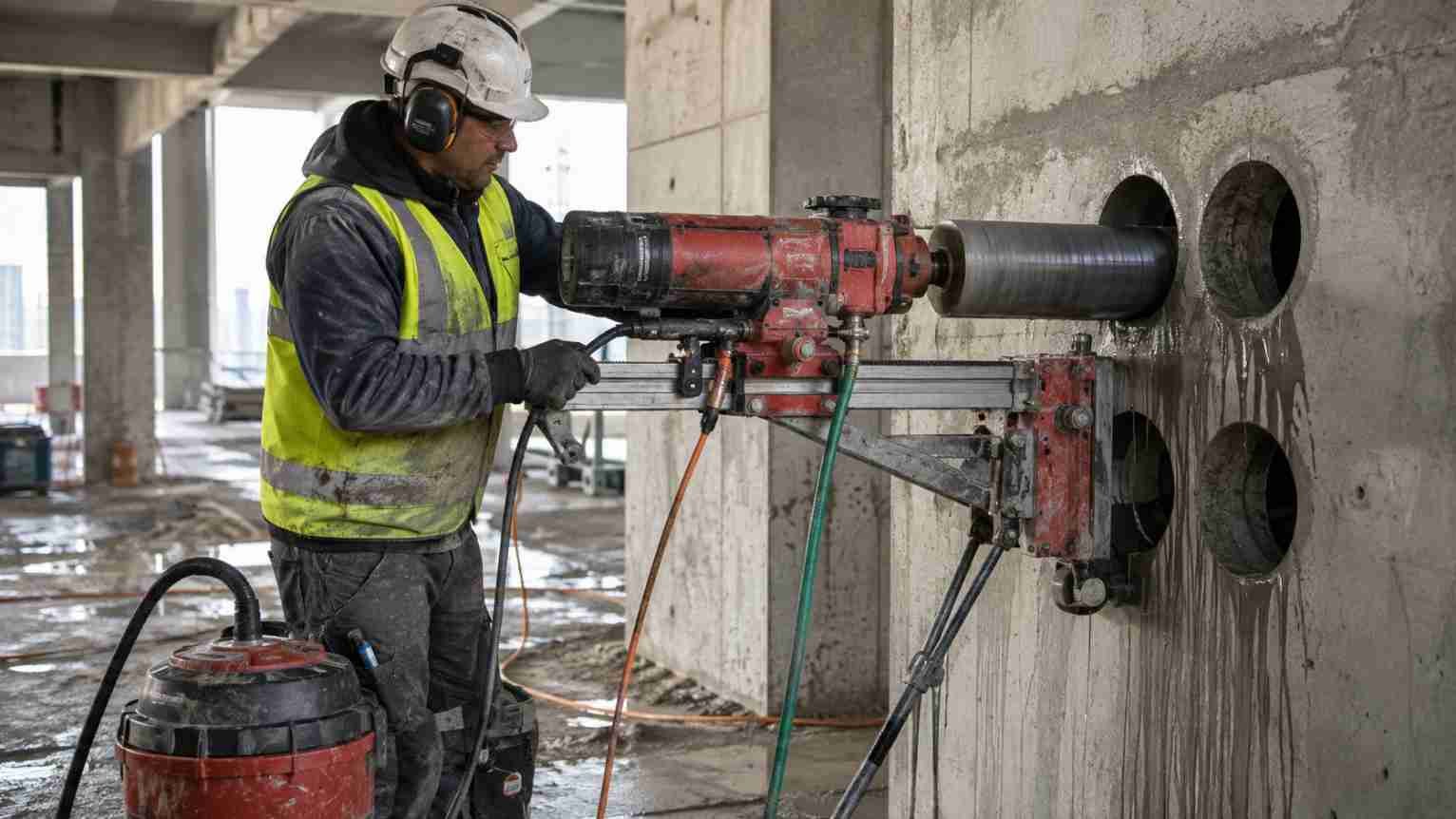
For large-scale projects requiring deeper or larger diameter holes, rig-mounted core drills provide stability and greater power. These systems often integrate powerful motors and adjustable drill rigs for precise control.
Hydraulic Core Drills
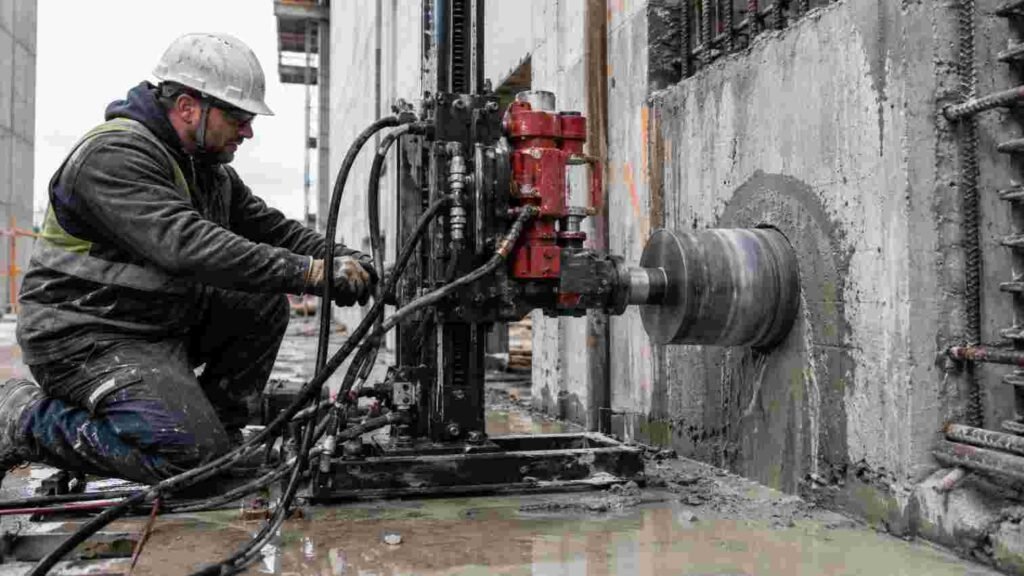
Hydraulic drills are utilised in heavy-duty construction environments, offering high torque and efficiency. They excel in drilling through reinforced concrete and other tough materials and are often used in mining and infrastructure projects.
Maintenance and Safety Considerations
Proper maintenance of core drilling drills extends their lifespan and ensures optimal performance. Regular inspection for wear and damage, correct lubrication, and adherence to manufacturer guidelines are fundamental practices. Additionally, adherence to safety protocols minimises risks of injuries associated with high-speed drilling operations.
Operator Safety
Construction sites must enforce strict safety standards when operating core drilling equipment. Protective gear such as gloves, safety glasses, and hearing protection are necessary. Furthermore, training operators on the correct handling and emergency procedures mitigates hazards.
Environmental and Regulatory Compliance
Core drilling activities must comply with local regulations concerning noise, dust emissions, and water use. Wet drilling, for example, requires proper water disposal methods to avoid environmental contamination. Choosing appropriate core drilling drills supports adherence to these regulatory requirements.
Enhancing Project Efficiency with the Right Core Drilling Equipment
Utilising the correct core drilling drills significantly improves project timelines by reducing drill time and minimising the need for rework. Efficient equipment also decreases fuel and power consumption, leading to cost savings and environmental benefits.
This precision is particularly valuable during residential renovation projects, where contractors must work carefully around finished interiors and existing living room design details.
Conclusion
Core drilling is indispensable in modern construction, and selecting the most suitable core drilling drills is fundamental to project success. By thoroughly assessing the project requirements, material conditions, and drilling methods, construction professionals can choose equipment that maximises efficiency, safety, and durability. Access to specialised suppliers ensures that high-quality core drilling drills are readily available to meet the varied demands of construction projects.