

Life often moves faster than we expect. Between work responsibilities, family commitments, personal goals, and constant digital distractions, finding a quiet moment can feel difficult. Many people turn to prayer when life feels heavy, but building prayer into ordinary days can create a stronger foundation before challenges even appear.
That is where consistent prayer routines become valuable. Prayer becomes more than something reserved for difficult moments; it becomes a daily rhythm that creates space for gratitude, reflection, and connection with God. Small moments of prayer practiced regularly can bring a sense of peace, direction, and spiritual stability.
Why Prayer Feels Different When It Becomes Consistent
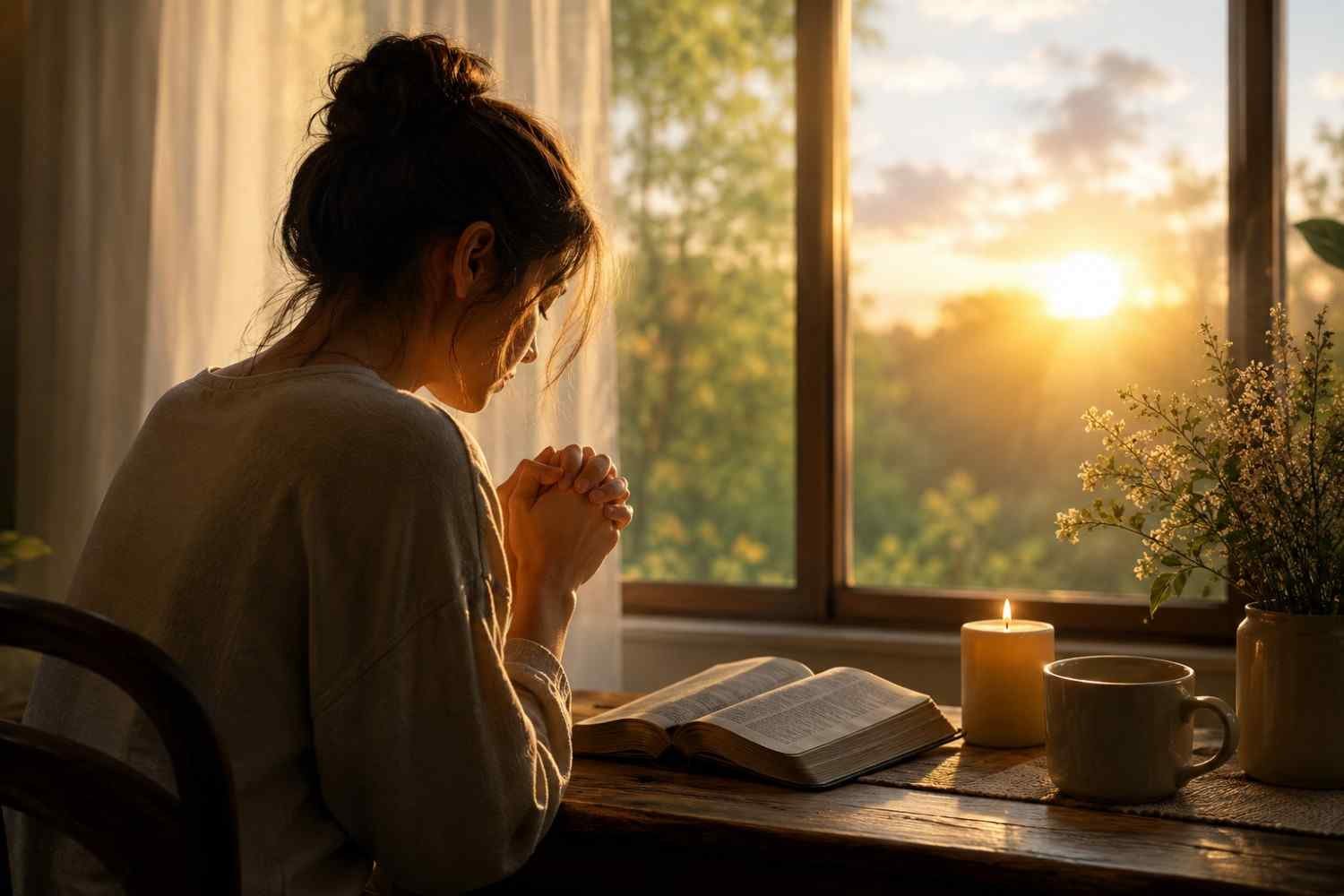
Consistency changes the way people experience prayer. Instead of approaching it as a last-minute response to stress or uncertainty, regular prayer creates a steady habit that becomes part of everyday life.
A daily prayer routine does not have to be complicated or lengthy. Many people believe they need the perfect environment, the right words, or a long period of silence before they begin. However, spiritual growth often develops through simple repeated actions.
Spending a few intentional minutes in prayer every morning, during a lunch break, or before sleeping can strengthen faith over time. Similar to other personal habits, repetition helps create a natural rhythm. The focus shifts from completing a task to building a deeper relationship with God.
How Consistent Prayer Routines Create More Peace in Daily Life
One of the biggest reasons people build consistent prayer routines is the feeling of peace they experience through regular reflection. Setting aside time to slow down allows the mind to step away from constant worries and focus on something greater.
Prayer creates a pause in the middle of busy schedules. During that pause, people can express gratitude, process emotions, seek guidance, and release concerns they have been carrying throughout the day.
Research around meditation, reflection, and spiritual practices often highlights the importance of quiet moments for emotional wellness. Prayer can support a calmer mindset because it encourages patience, mindfulness, and awareness of personal values.
Peace does not always mean every problem disappears. Sometimes, it means gaining the strength and clarity to handle situations with a more grounded perspective.
Building a Prayer Routine That Actually Fits Your Lifestyle

A lasting prayer habit usually begins with realistic expectations. Trying to completely change your schedule overnight often leads to frustration. A better approach is starting small and allowing the habit to grow naturally.
Five or ten minutes of focused prayer can become more sustainable than setting unrealistic goals. The purpose is not perfection; it is creating regular time for connection.
One helpful approach is connecting prayer with something already part of your routine. For example, you might pray:
- After waking up before checking your phone
- While drinking your morning coffee
- During a quiet evening moment before bed
This method creates a natural reminder and makes prayer easier to maintain. Over time, those small choices become spiritual growth habits that feel like a normal part of the day.
Creating a Space That Encourages Reflection
Environment can influence focus. Having a specific place for prayer can help the mind transition from everyday distractions into a calmer state.
This does not require a large or perfectly designed space. A comfortable chair, a quiet corner, a journal nearby, or a peaceful area of a room can create a dedicated setting for personal prayer time.
Many people also include scripture reading, devotionals, or journaling as part of their routine. These meaningful prayer practices can help create a stronger connection between personal reflection and daily faith.
A dedicated space also creates consistency. Returning to the same environment regularly helps signal that it is time to slow down, reflect, and reconnect spiritually.
How Daily Prayer Supports Spiritual Growth Over Time

Prayer is not only about asking for help; it is also about transformation. Regular communication with God can influence how people think, respond, and approach everyday situations.
Through continual prayer, many people develop greater patience, empathy, gratitude, and self-awareness. Taking time to reflect on choices and values often leads to better decision-making and stronger emotional balance.
Consistent spiritual discipline also creates room for discernment. Life often brings uncertainty, and prayer provides a way to seek wisdom before reacting quickly. It encourages thoughtful choices instead of decisions based only on stress, fear, or pressure.
Over time, prayer becomes connected to personal purpose. It reminds people of what matters, what they value, and how they want to live.
Frequently Asked Questions: How Consistent Prayer Routines Can Bring More Peace and Purpose
1. How long should a daily prayer routine be?
A prayer routine does not need a specific length to be valuable. Even five to ten minutes of intentional prayer each day can help build consistency. The focus should be on creating a genuine connection rather than measuring time.
2. Why is consistency important in prayer?
Consistency helps prayer become a natural part of daily life instead of something practiced only during difficult moments. Regular prayer encourages spiritual growth, reflection, patience, and a stronger relationship with God.
3. How can I stay focused while praying?
Choosing a quiet space, reducing distractions, using scripture, or writing thoughts in a prayer journal can improve focus. Creating a regular time for prayer also helps train the mind to become more present.
4. Can prayer routines change over time?
Yes, prayer routines can change depending on life circumstances, schedules, and personal growth. A flexible approach allows prayer to remain meaningful through different seasons.
The Quiet Moments That Shape a Stronger Faith Journey
Small daily habits often create the biggest changes over time. Prayer does not need to feel complicated, formal, or unreachable. When practiced regularly, it becomes a steady source of peace, reflection, and spiritual direction. Building a prayer life is about creating space to reconnect with faith, understand personal values, and move through life with greater awareness.
The most powerful routines are often simple ones. A few quiet moments each day can gradually create lasting peace, clarity, and purpose.