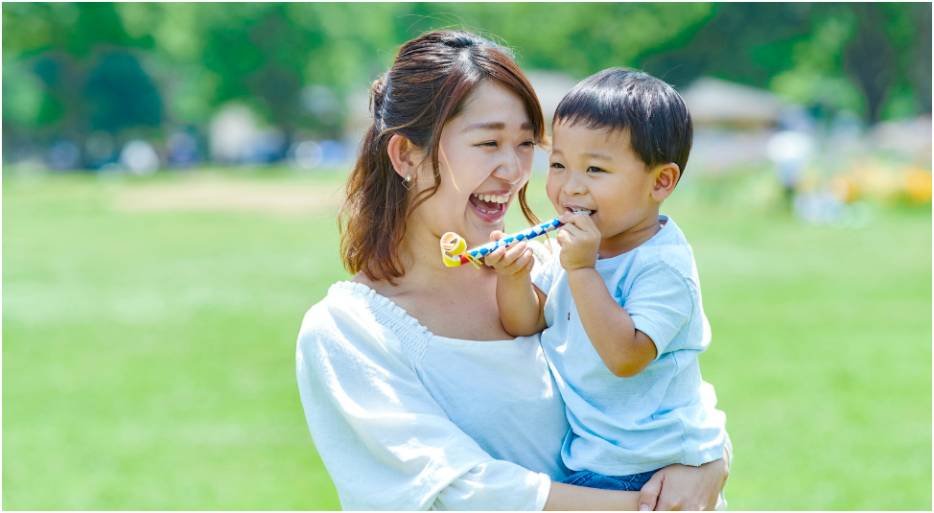
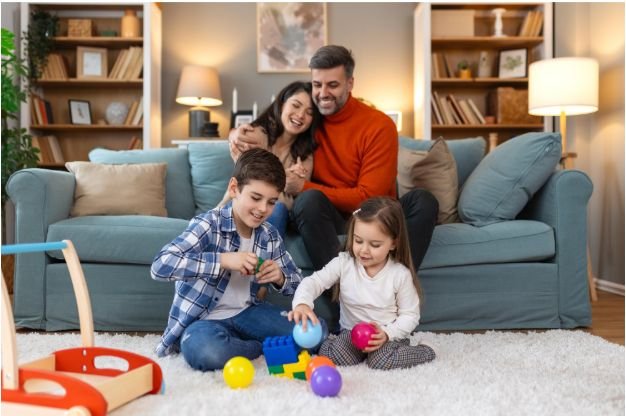
I have learned that strong family memories do not always come from vacations, expensive outings, or perfectly planned weekends. Some of the best moments happen right in the living room, around the kitchen counter, or during a quiet evening when everyone finally slows down.
That is why family bonding activities at home matter so much. They give parents and kids simple ways to laugh, talk, create, solve problems, and feel connected without needing a big budget or a packed schedule.
Why Family Bonding at Home Matters
Home is where children learn how relationships feel. When parents make time for shared activities, kids feel noticed, valued, and emotionally safe. These moments also help build communication, patience, teamwork, confidence, and trust.
The best part is that bonding does not need to be complicated. A 15-minute card game, a homemade pizza night, a bedtime story routine, or a weekend craft project can create the kind of connection children remember. What matters most is consistency. When family time becomes part of everyday life, it feels natural instead of forced.
Quick Family Activities for Busy Weeknights
Busy families often think they need hours of free time to connect, but short activities can work just as well. A simple “high and low” conversation at dinner lets every person share the best and hardest part of the day. This helps kids open up without feeling pressured.
Another easy idea is a 10-minute living room dance party. Put on one favorite song for each family member and let everyone move, laugh, and be silly. You can also try a quick puzzle challenge, a round of charades, or a short walk around the block after dinner.
These small routines are powerful because they tell children, “I have time for you.” Even when the day is full, a short connection point can reset the mood of the whole household.
Screen-Free Family Bonding Ideas
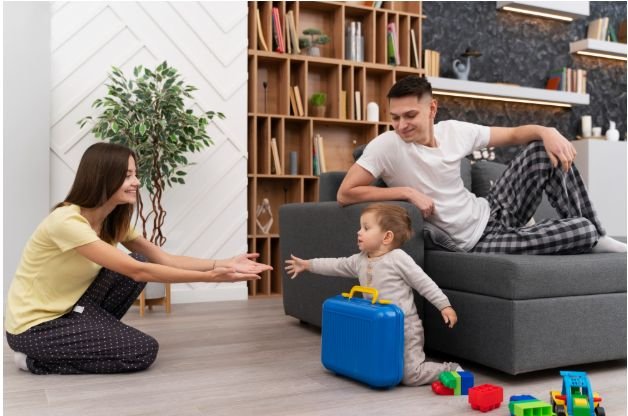
Screens are part of modern family life, but setting aside screen-free time can help everyone feel more present. Family game night is one of the easiest ways to do this. Choose board games, card games, or word games that match your child’s age. Keep the mood light and focus on laughter instead of winning.
Building a blanket fort is another simple idea that works well for younger kids. Add pillows, flashlights, books, and snacks to turn it into a cozy family hideout. Older kids may enjoy a no-phone cooking challenge, trivia night, or a DIY escape room using clues hidden around the house.
Activities like these also provide natural opportunities for teaching kids responsibility at home, encouraging them to help with setup, cleanup, organizing materials, and working together as a family while building confidence and teamwork.
Screen-free time does not have to feel like a rule. It works best when it feels like something better is replacing the screen.
Creative Activities That Build Connection
Creative projects help families bond because everyone contributes something personal. You can paint together, make homemade greeting cards, decorate cookies, build with blocks, or create a family scrapbook.
A family art wall is a fun ongoing idea. Each week, one person adds a drawing, quote, photo, or memory. Over time, it becomes a visual reminder of shared moments.
Storytelling is another powerful activity. Ask each family member to add one sentence to a made-up story. The result is usually funny, strange, and memorable. This helps children use imagination while also practicing listening and turn-taking.
Kitchen and Mealtime Bonding Activities
The kitchen is one of the best places for connection. Cooking together teaches teamwork, responsibility, and patience. Younger children can wash vegetables, stir batter, or set the table. Older kids can help plan meals, read recipes, measure ingredients, or cook simple dishes.
Try a family pizza night with leftovers where each person chooses toppings. You can also create a breakfast-for-dinner night, taco bar, smoothie challenge, or homemade dessert evening.
Mealtime bonding is not only about food. It is also a chance to talk. Ask fun questions like, “What made you laugh today?” or “If we could design our dream house, what would it include?” These small questions often lead to meaningful conversations.
Quiet Evening Family Rituals
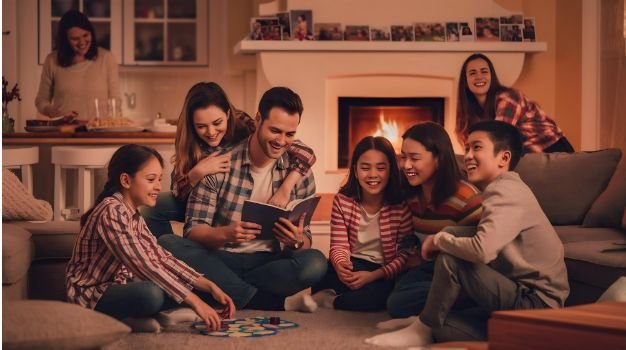
Not every bonding activity has to be loud or energetic. Quiet rituals can be just as meaningful, especially after a long day. Reading together is one of the best options. Families with younger kids can read picture books, while older children may enjoy chapter books, audiobooks, or taking turns reading aloud.
Gratitude journals are another calming idea. Each person writes or shares one thing they appreciated that day. This helps children notice positive moments and builds emotional awareness.
You can also create a bedtime reflection routine. Ask, “What was one good thing about today?” and “What is one thing you want to try tomorrow?” This gives kids a peaceful way to end the day feeling heard.
Weekend Bonding Ideas at Home
Weekends are perfect for longer activities. A backyard camping night can feel like a mini adventure without leaving home. Set up a tent, make simple snacks, tell stories, and look at the stars.
Family movie night can also be special when you turn it into an event. Let one person pick the movie, another choose snacks, and another create tickets or a cozy seating area.
Other weekend ideas include home science experiments, gardening, indoor obstacle courses, family talent shows, decluttering together for donation, or planning a themed dinner night. These activities create shared memories while helping kids feel like active members of the family.
How to Make Family Bonding a Habit
The best family bonding activities at home are the ones your family will actually repeat. Start small. Pick one weeknight activity and one weekend activity. Keep supplies simple and avoid making the experience too perfect.
Let children help choose the activity. When kids have a voice, they are more likely to participate. You can even create a family activity jar filled with ideas and pull one out when everyone needs something to do.
Most importantly, protect the mood. Family bonding should not become another task on the checklist. It should feel warm, flexible, and fun.
Frequently Asked Questions
1. What are the best family bonding activities at home for kids?
The best options include board games, cooking together, reading aloud, crafts, dance parties, storytelling, puzzles, backyard camping, family movie nights, and simple dinner conversations.
2. How often should families plan bonding activities?
Families do not need to plan something every day. Even two or three small moments each week can make a big difference when they are consistent and distraction-free.
3. How can I bond with older kids or teens at home?
Give them more choice. Try cooking challenges, movie nights, trivia games, DIY projects, music sharing, home workouts, or casual late-night snacks and conversations.
4. What if my family has different age groups?
Choose flexible activities where each person can join at their own level. Cooking, art, storytelling, scavenger hunts, and movie nights usually work well for mixed ages.
Final Thoughts
I believe the strongest family connections are built through repeated everyday moments. You do not need a perfect home, expensive supplies, or a full day of free time. You need attention, laughter, patience, and a willingness to show up.
When families make room for small rituals like games, meals, stories, crafts, and quiet talks, home starts to feel more connected. Over time, these simple moments become the memories kids carry with them.