Blog

  • Winter Whites Featuring Lulus: Timeless Outfit Inspiration for Cold Weather Days

    Winter Whites Featuring Lulus: Timeless Outfit Inspiration for Cold Weather Days

    Here is something refreshing about reaching for lighter shades when the weather gets colder. While deeper colors usually take over winter wardrobes, soft whites, creams, and ivory tones bring a different kind of charm. They feel calm, polished, and surprisingly easy to wear when styled with the right layers.

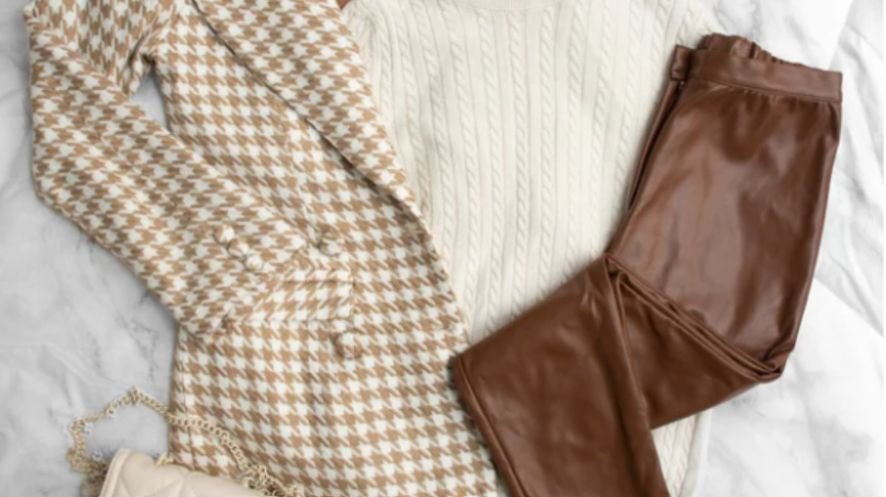
    The beauty of winter whites featuring Lulus is how these outfits balance cozy comfort with an elevated appearance. From chunky sweaters to flowing dresses and structured outerwear, winter white pieces can transform simple cold-weather dressing into something timeless without feeling overly formal.

    Why Winter Whites Always Feel Effortless and Classic
    Why Winter Whites Always Feel Effortless and Classic

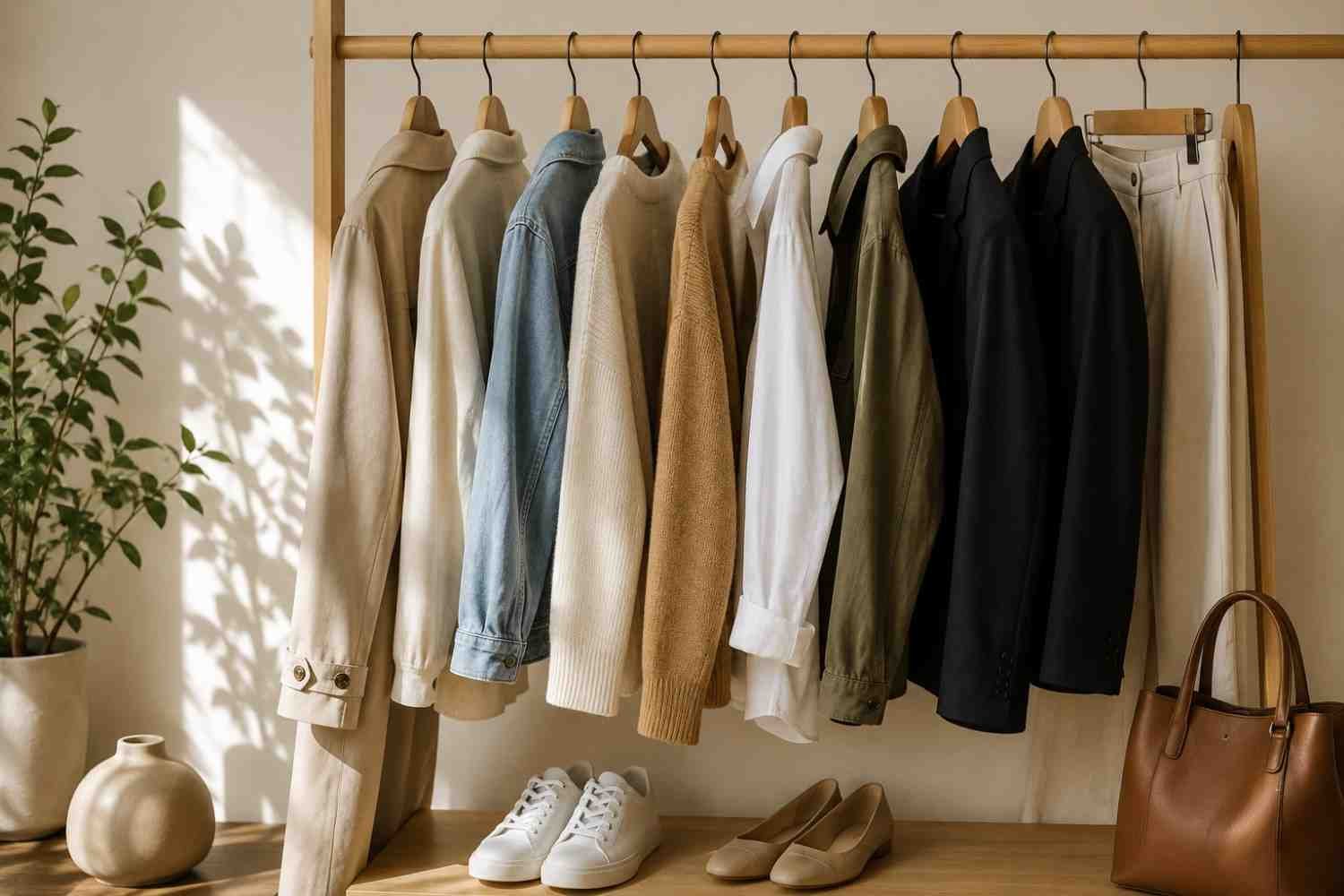
    Winter fashion often focuses on practicality, but style does not have to disappear beneath heavy layers. White and cream-colored clothing creates a clean, sophisticated look that stands out naturally during colder months.

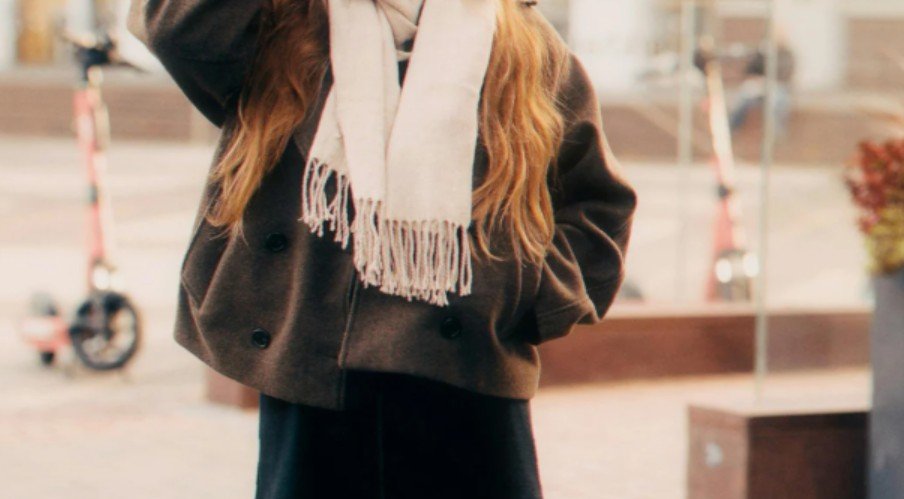
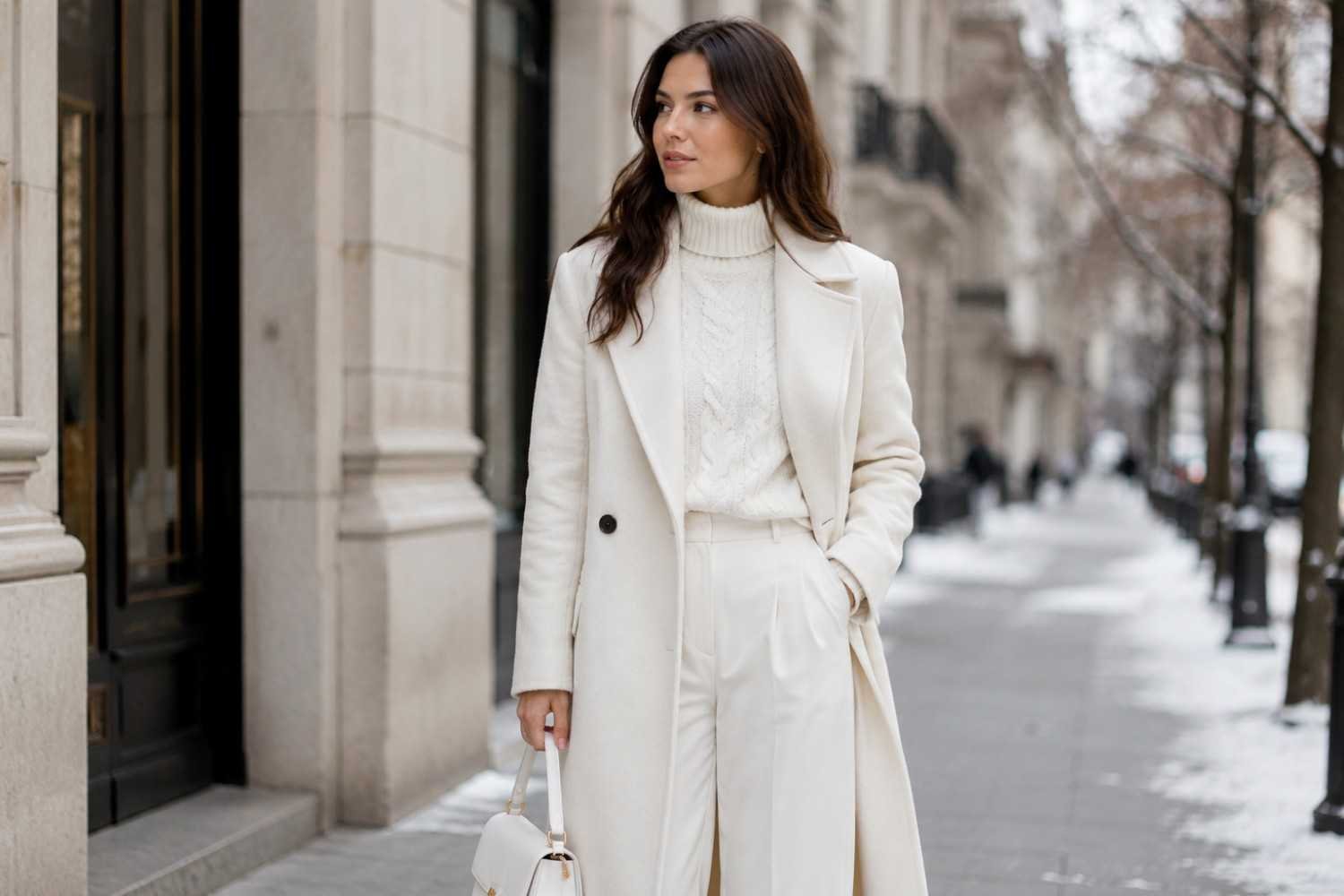
    A monochromatic pale palette works because it feels intentional. Instead of relying on bold patterns or bright colors, winter whites highlight details like fabric texture, clothing structure, and thoughtful layering. A cable-knit sweater, wool-inspired coat, or soft ribbed dress can make an outfit interesting without needing too many extra elements.

    Another reason these shades stay popular is versatility. White tones move easily between casual mornings, work settings, dinners, and seasonal gatherings. A well-chosen piece can create many outfit combinations, which also supports a smarter cost-per-wear approach when building a wardrobe.

    Building Beautiful Winter Looks With Lulus Pieces

    The appeal of winter whites featuring lulus comes from combining modern designs with wearable cold-weather essentials. The right pieces allow you to create outfits that feel comfortable while still looking refined.

    Cozy Sweaters and Knit Layers That Feel Timeless

    Sweaters are usually the foundation of winter styling. Chunky knit turtlenecks, oversized pullovers, and textured cardigans bring warmth while adding depth to lighter outfits.

    A cream turtleneck paired with tailored trousers creates a simple but elegant combination. Knitwear also introduces dimension because the fabric itself becomes part of the overall style. Details like ribbing, cable patterns, and heavier weaves keep white outfits from looking too plain.

    Layering also plays an important role. A fitted base layer underneath a relaxed sweater or a long coat over soft knits creates a balanced shape while keeping the outfit practical for changing temperatures.

    Dresses and Statement Pieces for Cold Weather Moments

    Winter dresses prove that cold-weather fashion does not always have to revolve around jeans and heavy clothing. Ribbed sweater dresses offer a comfortable yet polished option because they combine softness with structure.

    A white sweater dress styled with boots, a longline coat, and simple accessories creates a complete outfit with minimal effort. These pieces work because they focus on classic silhouettes rather than short-lived trends.

    Structured coats are another key element. A long ivory or cream coat instantly changes the appearance of an outfit by adding a more finished look. Outerwear often becomes the first thing people notice during winter, making quality construction and fit especially important.

    How Texture Makes White Outfits Stand Out
    How Texture Makes White Outfits Stand Out


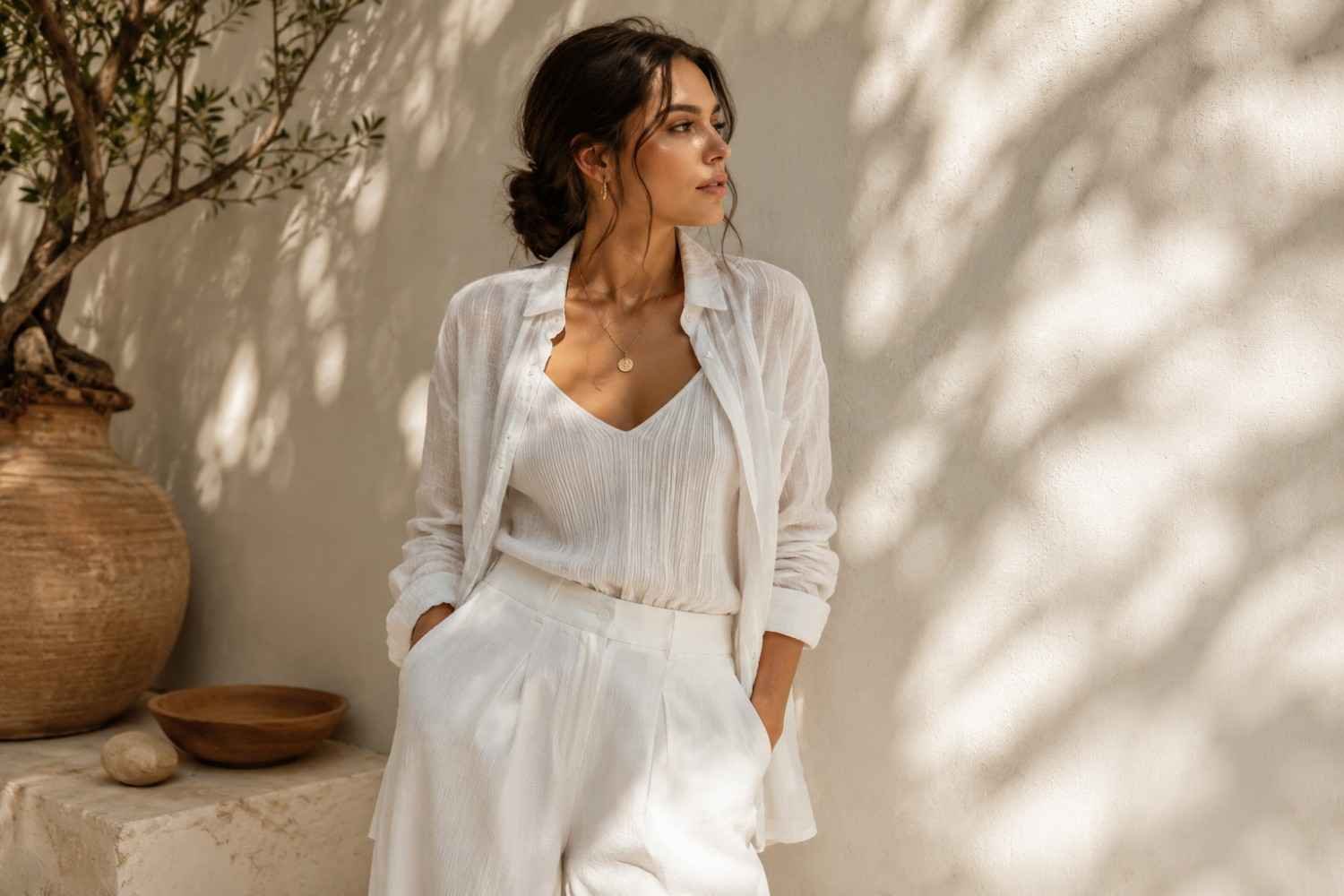
    The secret behind a successful winter white outfit is texture. Wearing similar shades together can sometimes look flat, but mixing different materials creates contrast and movement.

    Soft knits, satin finishes, faux fur details, and smooth leather accessories each bring something different to the outfit. For example, a cozy sweater with sleek trousers creates balance because the fabrics have different weights and finishes.

    Blending shades also helps create a more natural appearance. Ivory, cream, pearl, and bright white tones do not need to match perfectly. Small differences between colors often make an outfit look more effortless and thoughtfully layered.

    This approach works especially well for people who enjoy classic wardrobes built around neutrals, because softer shades can be mixed and repeated without feeling outdated.

    Simple Ways to Style Winter Whites Every Day

    Winter whites may look luxurious, but they can easily become part of everyday dressing. The key is choosing pieces that match your lifestyle instead of saving them only for special occasions.

    A few simple styling ideas include:

    • Pairing wide-leg white trousers with a cropped sweater for a balanced shape
    • Adding camel boots, gold jewelry, or a tan handbag for gentle contrast
    • Wearing a long coat over lighter layers for an elegant cold-weather outfit

    Accessories can completely change the mood of a white outfit. Warm metallic jewelry adds softness, while brown and beige accessories create a natural seasonal feel.

    Creating a Wardrobe That Lasts Beyond One Season
    Creating a Wardrobe That Lasts Beyond One Season

    Trends come and go quickly, but certain clothing choices remain useful year after year. Winter whites continue returning because they focus on simplicity, quality, and personal style rather than temporary fashion moments.

    Choosing versatile pieces like knit sweaters, tailored pants, sweater dresses, and structured coats makes styling easier. These items can be worn separately or combined in new ways, giving more flexibility throughout the season.

    Fabric choice also matters. Materials that hold their shape, feel comfortable, and layer well often become the pieces people reach for repeatedly. A thoughtful wardrobe is not always about having more clothing but about owning items that work harder.

    Caring for Light-Colored Winter Clothing

    One reason some people avoid white clothing is maintenance, but a few simple habits can keep lighter pieces looking fresh.

    Checking clothing care labels, washing similar colors together, and storing seasonal pieces properly helps protect fabrics. Sweaters may need gentle washing methods to maintain their shape, while coats often benefit from proper storage during warmer months.

    Taking care of clothing extends its life and supports a more intentional approach to personal style.

    Frequently Asked Questions: Winter Whites Featuring Lulus: Timeless Outfit Inspiration for Cold Weather Days

    1. How do you style winter white outfits without looking too plain?

    Mixing different textures is the easiest way to create depth. Combine fabrics like knitwear, satin, wool blends, and leather accessories to make the outfit more visually interesting.

    2. Can white clothing be practical during colder months?

    Yes, white clothing can work well in winter with proper layering and care. Sweaters, coats, trousers, and dresses in lighter shades can be both stylish and functional.

    3. What colors pair best with winter whites?

    Winter whites pair beautifully with shades like camel, beige, soft gray, brown, and metallic accents. These combinations create a balanced and timeless appearance.

    4. Are monochromatic white outfits still fashionable?

    Yes, monochromatic white outfits remain popular because they focus on clean styling, classic shapes, and versatile pieces instead of short-term trends.

    Why Winter Whites Continue Feeling Timeless

    Cold-weather fashion does not always need to feel heavy or predictable. Winter whites bring a softer approach to dressing by focusing on texture, thoughtful layering, and pieces that feel special without being difficult to wear. They create outfits that look polished while still fitting into everyday routines.

    The lasting appeal comes from simplicity. A beautiful sweater, a well-shaped coat, or a comfortable dress can create confidence season after season.

  • A Valentine’s Day Outfit Guide for Every Romantic Plan

    A Valentine’s Day Outfit Guide for Every Romantic Plan

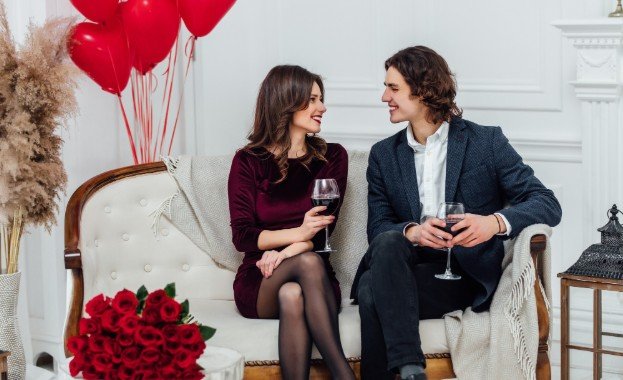
    I always feel like Valentine’s Day brings one big question before the actual date even begins: what should I wear? The right look should feel romantic, comfortable, flattering, and still true to your personal style. That is why choosing a Valentine’s Day Outfit is not only about wearing red or pink. It is about dressing for the mood, the plan, and the confidence you want to carry.

    Whether you are going out for dinner, meeting friends, planning a casual coffee date, or staying in for a cozy night, your outfit can make the day feel more special without feeling overdone.

    Why Your Valentine’s Day Look Matters

    Valentine’s Day style is not about following one strict rule. Some people love bold dresses and heels, while others feel better in jeans, soft sweaters, or simple accessories. The best outfit is the one that makes you feel attractive without making you uncomfortable.

    A strong Valentine’s look usually combines three things: color, texture, and occasion. Romantic colors create the mood, soft fabrics add charm, and the right fit keeps the outfit practical for your plans.

    Romantic Dinner Date Outfit Ideas

    Romantic Dinner Date Outfit Ideas

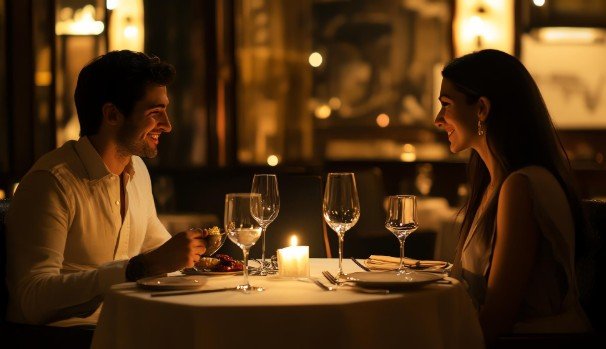
    A dinner date is the perfect moment to dress a little more polished. A satin midi dress, wrap dress, or fitted knit dress can create an elegant look without much effort. Red and pink are classic choices, but black, cream, burgundy, and champagne shades can feel just as romantic.

    If you prefer separates, pair a silky blouse with tailored trousers or a skirt. Add delicate jewelry, a small handbag, and a ballet flat, heels, or sleek flats. The goal is to look dressed up while still feeling relaxed enough to enjoy the evening.

    Best Colors for a Dinner Look

    Red feels bold and passionate. Pink feels soft and playful. Black feels timeless and confident. White or cream gives a clean, elegant feel. If bright colors are not your style, try romantic details instead, such as lace, satin, pearls, bows, or heart-shaped accessories.

    Casual Valentine’s Day Outfit Ideas

    Not every Valentine’s plan needs a dressy look. If your date is a movie, coffee, walk, shopping trip, or casual lunch, jeans can absolutely work. The trick is to make them feel intentional.

    Try straight-leg jeans with a red cardigan, a pink sweater, or a fitted black top. A denim skirt with boots also works well for a cute casual outfit. You can add a small romantic detail, such as a heart necklace, glossy lip color, or soft curls.

    This kind of outfit is easy, wearable, and still festive without looking like you tried too hard.

    Galentine’s Day Outfit Ideas

    Galentine’s Day Outfit Ideas

    If you are celebrating with friends, your outfit can be more playful. A pink mini dress, wide-leg trousers with a statement top, or a fun skirt with a cropped sweater can all look perfect for brunch, dinner, or photos.

    For a group celebration, you can have fun with color themes. One person can wear red, another pink, another white, and another black. It creates a cute coordinated look without everyone wearing the same thing.

    Photo-Ready Styling Tips

    Choose one standout detail. It could be a bright bag, sparkly earrings, a satin bow, red heels, or a statement lip, like a living room sneak peak featuring high style. When one piece stands out, the whole outfit feels styled without becoming too busy.

    Cozy Valentine’s Night Outfit Ideas

    A cozy night at home still deserves a little effort. Soft lounge sets, knit matching sets, oversized sweaters, or satin pajamas can feel romantic and comfortable. If you are cooking dinner, watching movies, or having dessert at home, comfort should come first.

    Choose soft fabrics like cotton, fleece, ribbed knit, or satin. Add warm socks, simple jewelry, or a cute hair clip to make the look feel special. Cozy does not mean careless. It means relaxed with intention.

    Brunch Outfit Ideas for Valentine’s Day

    Brunch Outfit Ideas for Valentine’s Day

    Brunch outfits should feel light, fresh, and cheerful. A floral dress, pastel cardigan, pleated skirt, or white jeans with a pink blouse can work beautifully. If the weather is cool, layer with a trench coat, cropped jacket, or long cardigan.

    Flats, loafers, ankle boots, or low heels are smart choices for brunch because they look polished but remain comfortable. This is a great time to wear softer Valentine’s shades like blush, rose, lavender, ivory, and peach.

    How to Choose the Right Accessories

    Accessories can completely change your Valentine’s outfit. A simple dress can look more romantic with pearl earrings. A casual jeans outfit can feel date-ready with a structured bag and red flats. A black outfit can become festive with a pink scarf or heart-shaped jewelry.

    Avoid adding too many statement pieces at once. Pick one or two details that support the outfit instead of overpowering it.

    What to Avoid Wearing on Valentine’s Day

    Avoid anything that makes you feel uncomfortable, distracted, or unlike yourself. If your dress is too tight, your shoes hurt, or your outfit needs constant adjusting, it can affect your confidence.

    Also avoid dressing only for trends. Trendy pieces are fun, but your outfit should still match your body, comfort level, and actual plans.

    Frequently Asked Questions

    1. What should I wear for A Valentine’s Day Outfit?

    Choose something romantic, comfortable, and suitable for your plan, such as a dress for dinner, jeans for casual dates, or a cozy set for staying in.

    2. Can I wear jeans on Valentine’s Day?

    Yes, jeans can look stylish when paired with a romantic top, polished shoes, and simple accessories.

    3. Do I have to wear red or pink?

    No, you can wear black, white, cream, burgundy, pastels, or neutrals and still look romantic.

    4. What is the best outfit for a casual Valentine’s date?

    Straight-leg jeans, a soft sweater, ankle boots, and delicate jewelry create an easy and attractive casual look.

    Final Thoughts

    For me, Valentine’s Day style should feel personal before anything else. I do not think the best look is always the boldest or most expensive one. The best look is the one that fits the plan, feels comfortable, and makes you feel confident the moment you step out.

    Whether you choose a satin dress, cozy knit set, jeans and a romantic blouse, or a playful brunch look, A Valentine’s Day Outfit should help you enjoy the day instead of stressing over it.

  • A Living Room Sneak Peek Featuring High

    A Living Room Sneak Peek Featuring High

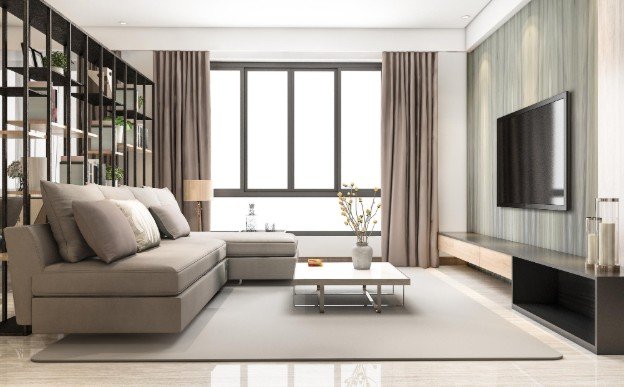
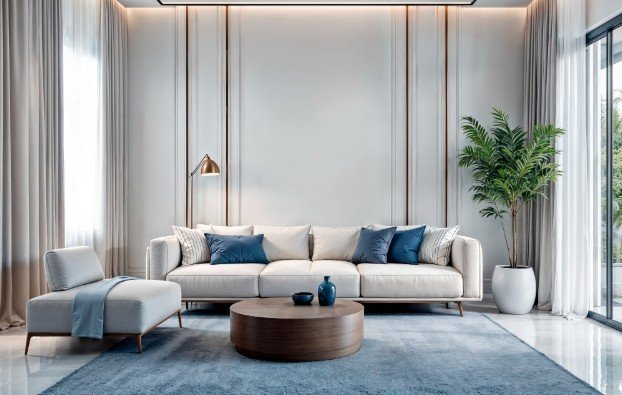
    I have always believed the living room sets the mood for the entire home. It is where guests form their first impression, where slow evenings feel more relaxing, and where every small design choice matters. This, a living room sneak peek featuring high style is all about creating a space that feels polished, warm, and personal without looking overdesigned.

    Instead of rushing into a full reveal, I wanted this sneak peek to show the layers that make a living room feel complete. From the sofa shape to the wall color, lighting, textures, and decor accents, every detail helps build a room that feels elegant but still easy to live in.

    Why a Living Room Sneak Peek Creates Excitement

    A sneak peek works because it gives just enough detail to spark curiosity. A full room reveal shows everything at once, but a preview lets people notice the process. It highlights the early design decisions, the mood board, the furniture direction, and the pieces that are slowly bringing the room together.

    This approach also feels more honest. Most beautiful living rooms do not come together overnight. There are fabric choices, shipping delays, layout changes, paint tests, and styling edits. Sharing the process makes the final result more meaningful.

    The Design Vision Behind the Room

    The Design Vision Behind the Room

    The main goal for this living room is simple: high-end comfort. I wanted the room to feel refined, but not cold. That meant choosing soft seating, layered lighting, warm materials, and decor that feels collected rather than random.

    A Calm Color Palette

    The foundation of the room starts with a calm color palette. Soft neutrals, warm whites, muted taupes, and natural wood tones help the space feel open and timeless. Instead of using bold color everywhere, the room gets personality through texture, artwork, and accent pieces.

    A neutral palette also makes it easier to update the room seasonally. Pillows, throws, candles, branches, and coffee table books can shift the mood without needing a full redesign.

    Statement Furniture That Feels Livable

    The sofa is the anchor of the room. For a high-style living room, the sofa should look beautiful but still feel comfortable enough for everyday use. A clean silhouette, deep seat, and durable fabric create the right balance between elegance and function.

    Accent chairs add structure and make the room feel more conversational. Instead of matching everything perfectly, mixing shapes and materials gives the space a designer feel.

    Decor Details That Make the Room Feel Finished

    Decor Details That Make the Room Feel Finished

    The small details are what turn a living room from basic to memorable. A sculptural lamp, oversized mirror, textured rug, framed artwork, and layered coffee table decor can completely change the energy of the space.

    This, a living room sneak peek featuring high design uses decor as a way to create depth. Nothing feels too shiny or too perfect. The goal is to make the room feel styled, but still natural.

    Lighting Adds Instant Luxury

    Lighting is one of the biggest upgrades in any living room. A single ceiling light rarely creates the cozy, expensive look people want. Layered lighting is better because it adds warmth and dimension, especially when planning a themed space for beauty and the beast family Halloween costumes.

    A mix of floor lamps, table lamps, wall sconces, and natural light makes the room feel softer. Warm bulbs also help the space feel inviting in the evening.

    Texture Makes Neutrals Interesting

    When a room uses soft colors, texture becomes even more important. Linen, velvet, boucle, wood, ceramic, woven baskets, and brushed metal all add visual interest without making the room feel busy.

    A textured rug can ground the seating area, while throw pillows and blankets make the room feel relaxed. These are simple upgrades, but they make a big impact.

    How to Create a High-End Look Without Overdoing It

    How to Create a High-End Look Without Overdoing It

    A high-end living room does not need to feel like a showroom. The best rooms include personal touches. Family photos, vintage finds, travel pieces, meaningful books, and handmade decor ideas can make the space feel unique.

    The key is editing. Too many accessories can make the room feel cluttered. Too few can make it feel unfinished. A good balance is to style surfaces with intention and leave breathing room.

    Before and After Elements to Watch

    Every great living room transformation has a few major turning points. In this room, the biggest changes come from layout, lighting, and scale. Moving furniture away from the walls can create a more intimate seating area. Choosing a larger rug can make the room feel more expensive. Adding oversized art can make plain walls feel intentional.

    Even small changes, such as replacing old curtains or upgrading side tables, can make the room feel fresher.

    Shopping and Styling Tips for a Similar Look

    To recreate this style, start with the largest pieces first. Choose the sofa, rug, and coffee table before buying smaller accessories. This helps the room feel cohesive from the beginning.

    Look for decor that has shape, texture, or contrast. A simple ceramic vase, stacked books, a natural wood bowl, and a soft throw can make the room feel layered. Avoid buying everything from one collection because that can make the room feel flat.

    Frequently Asked Questions

    What does a living room sneak peek include?

    A living room sneak peek usually includes early design details, furniture choices, decor accents, color inspiration, and small previews before the full reveal.

    How can I make my living room look more high-end?

    Use layered lighting, a large rug, quality curtains, textured pillows, statement art, and a balanced layout to make your living room look more polished.

    Can I create this look on a budget?

    Yes. Focus on paint, lighting, thrifted decor, affordable textiles, and better furniture placement before spending on expensive pieces.

    What is the best part of a living room sneak peek featuring high style?

    The best part is seeing how elegant details, cozy textures, and personal styling choices come together before the complete room reveal.

    Final Thoughts

    I love how this room is slowly becoming a space that feels both elevated and comfortable. It proves that good design is not only about expensive furniture or perfect styling. It is about choosing pieces that work together, making thoughtful updates, and creating a room that feels like home.

    This living room sneak peek featuring high style is only the beginning, but it already shows the direction clearly. With the right mix of comfort, texture, lighting, and personality, a living room can feel beautiful before the final reveal even arrives.

  • Everyday Faith Habits People Practice to Feel More Connected

    Everyday Faith Habits People Practice to Feel More Connected

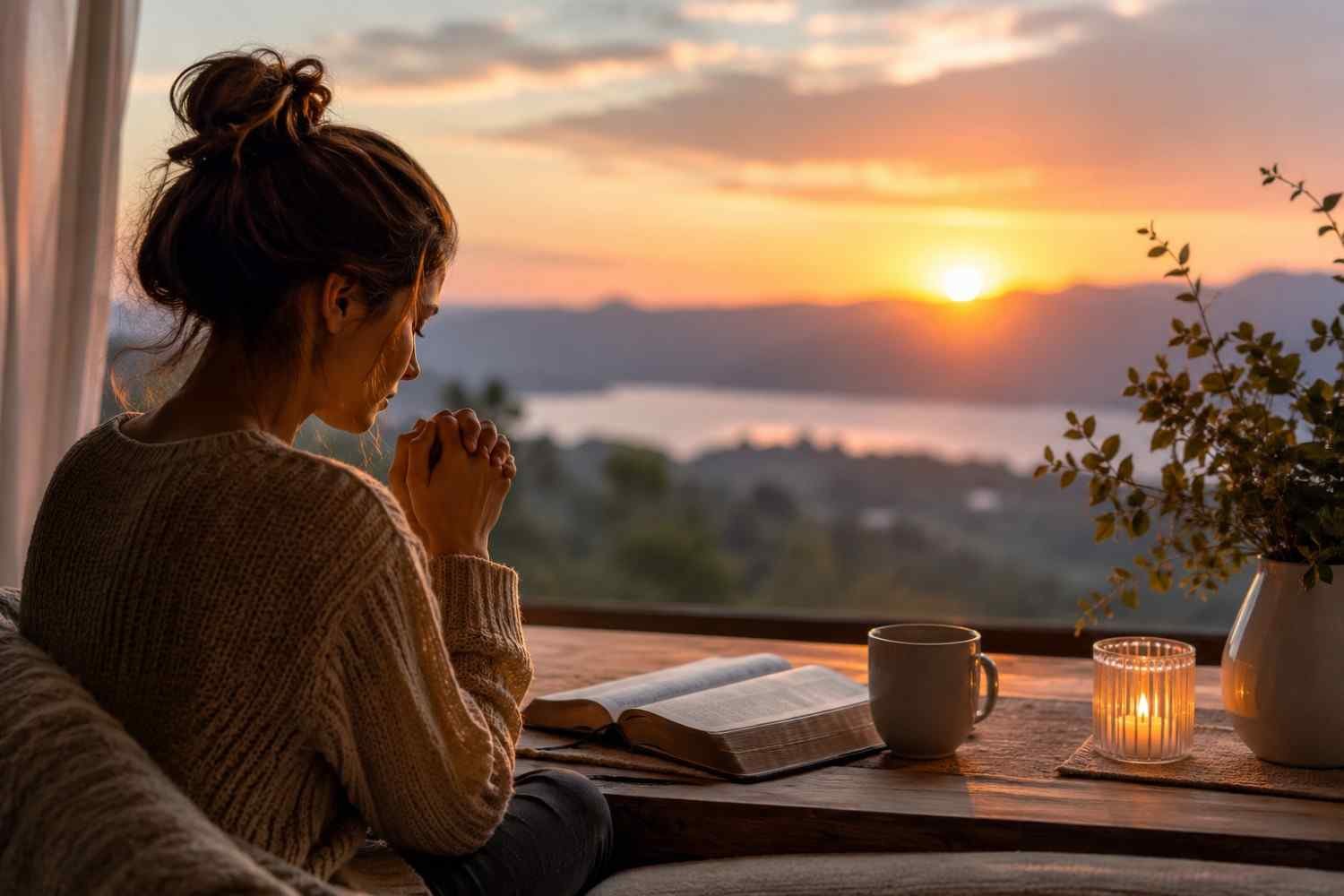
    Life has become louder than ever. Between work schedules, endless notifications, responsibilities, and daily distractions, many people find themselves searching for something steady to hold onto. Faith often becomes that grounding place, but staying connected does not always require long hours or a perfect routine. Sometimes, the smallest moments throughout the day create the strongest spiritual connection.

    The beauty of everyday faith habits is that they fit naturally into real life. A short prayer before starting the morning, a moment of gratitude while driving, or a quiet reflection before sleeping can slowly shape how we think, respond, and experience the world around us. Faith grows through consistency, not pressure.

    Why Small Faith Habits Often Create Lasting Change

    Why Small Faith Habits Often Create Lasting Change

    Many people think building a stronger spiritual routine means completely changing their schedule. In reality, meaningful growth often comes from adding simple practices to things we already do.

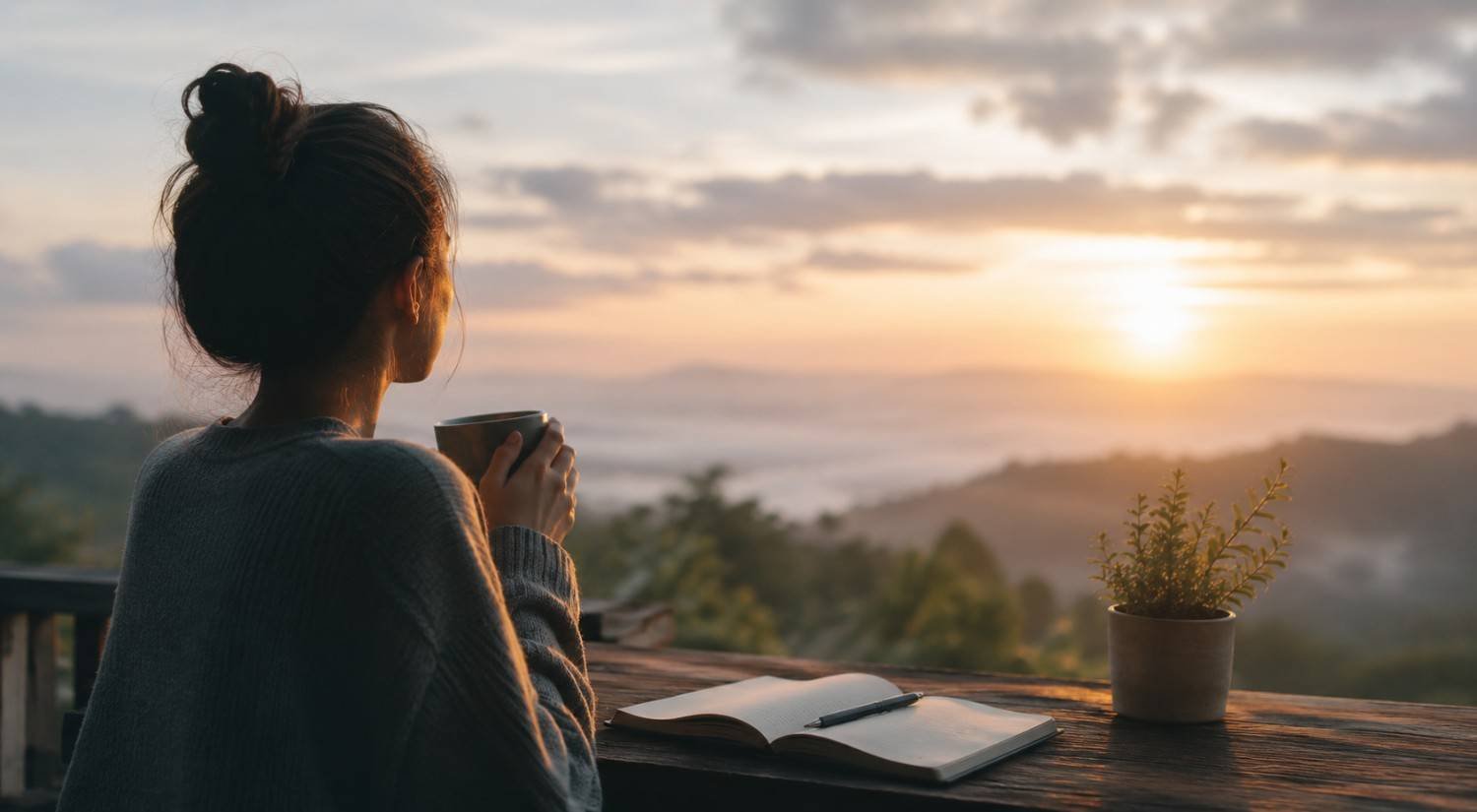
    A helpful approach is habit stacking, which means connecting a new habit with an existing routine. For example, someone may pair morning coffee with five minutes of reading, reflection, or prayer. Another person may use a daily walk as a time for gratitude and quiet thinking.

    These small spiritual habits create repeated moments of awareness. Instead of treating faith as something separate from everyday responsibilities, people begin carrying it into conversations, decisions, and ordinary experiences.

    Finding Faith During Ordinary Daily Moments

    A stronger connection does not only happen during quiet mornings or planned routines. Many people build faith by turning ordinary activities into moments of awareness.

    Breath prayers are one example. Taking slow, intentional breaths while focusing on a simple prayer or meaningful phrase can help calm anxious thoughts and bring attention back to the present moment.

    People also practice gratitude during everyday tasks. A commute, household chore, or lunch break can become a chance to notice small blessings that are easy to overlook.

    The “one thing” rule is another realistic approach. Before a meal, meeting, or afternoon task, taking one minute to pause and reflect can reset the mind. These small moments encourage mindfulness and make spiritual wellness part of normal life.

    Creating Space Away From Digital Distractions

    Creating Space Away From Digital Distractions

    Technology helps people stay connected, but constant digital noise can also make quiet reflection more difficult. Creating healthier boundaries with screens has become an important part of many modern faith routines.

    An evening habit like putting devices away before sleep creates room for reading, prayer, journaling, or peaceful contemplation. Even a short break from scrolling can help people reconnect with their thoughts and values.

    Many people also use technology intentionally by choosing tools that support personal growth. Guided reflections, reading plans, and meditation resources can encourage consistency when used with balance.

    The goal is not avoiding technology completely. It is learning when to create quiet spaces where faith, reflection, and mental clarity can grow.

    Strengthening Faith Through Reflection and Learning

    Faith develops through continuous learning. Reading, listening, and reflecting help people better understand their beliefs and apply them in everyday situations.

    Some people spend time with sacred texts, devotionals, journals, or thoughtful conversations. Others prefer listening to meaningful discussions during a walk or commute.

    Personal reflection also plays an important role. Looking back on daily experiences can reveal moments of growth, gratitude, and areas that need more patience or understanding.

    A common evening practice is reviewing the day before sleeping. People reflect on where they felt connected, where they struggled, and how they want to move forward. This habit encourages self-awareness without judgment.

    Building Connection Through Kindness and Community

    Building Connection Through Kindness and Community

    Faith is often strengthened when expressed through actions. Many people feel a deeper connection when they practice kindness, compassion, and service toward others.

    Serving does not always mean large commitments. A thoughtful conversation, helping someone with a small task, checking on a friend, or supporting a neighbor can all reflect personal values.

    Community also matters. Having trusted people to share experiences, challenges, and encouragement with can make spiritual growth feel supported. Meaningful relationships often remind people that faith is not only personal but also connected to how we treat others.

    Carrying Faith Into Everyday Choices

    One of the most meaningful parts of building everyday faith habits is learning to carry those values into regular decisions. Faith becomes visible through patience during stressful moments, honesty in conversations, and compassion toward different people.

    Small choices made repeatedly often shape character over time. Choosing gratitude instead of frustration or kindness instead of impatience can gradually influence how someone approaches life.

    A strong faith routine is less about completing a checklist and more about becoming intentional with thoughts, words, and actions.

    Frequently Asked Questions: Everyday Faith Habits People Practice to Feel More Connected

    1. How can I start building everyday faith habits?

    Start with small practices that naturally fit into your current routine. A short morning prayer, gratitude moment, daily reading, or evening reflection can help you create consistency without feeling overwhelmed.

    2. Why are small faith practices important?

    Small faith practices help keep spiritual awareness present throughout the day. They encourage reflection, gratitude, emotional balance, and a stronger connection with personal beliefs.

    3. How can busy people make time for faith?

    Busy schedules do not always require large blocks of time. Many people combine faith habits with existing activities like drinking coffee, walking, commuting, or preparing for sleep.

    4. Can faith habits improve overall well-being?

    Many people find that regular reflection, gratitude, prayer, and supportive relationships contribute to greater peace, purpose, and emotional resilience.

    A Deeper Connection Grows Through Simple Moments

    Faith is often strengthened through ordinary choices that happen quietly every day. A thoughtful pause before reacting, a moment of appreciation, or time spent helping someone else can become meaningful parts of spiritual growth. The habits people continue for years are usually the ones that feel natural, realistic, and connected to daily life.

    Small steps practiced consistently can create a lasting foundation. A connected life is usually built one intentional moment at a time.

  • Trend-Driven Street Style: Build Looks That Hit Now

    Trend-Driven Street Style: Build Looks That Hit Now

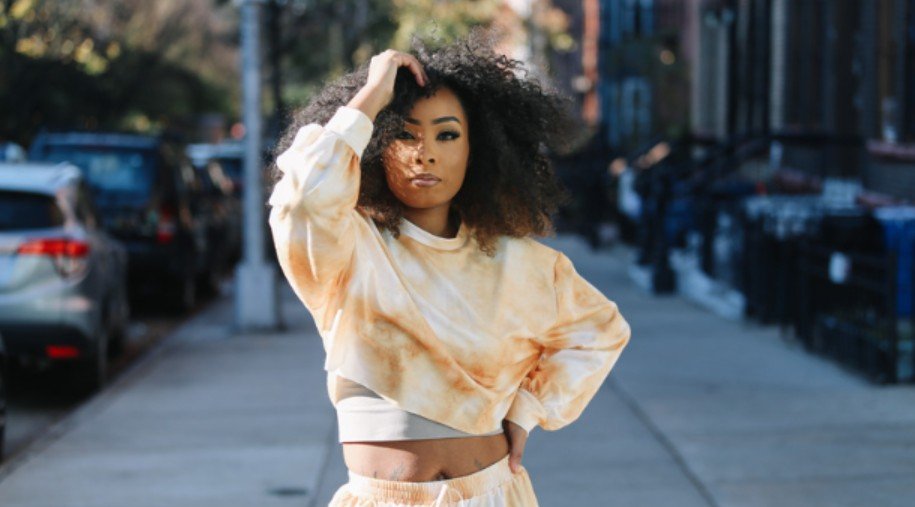
    Trend-driven street style is where fashion feels alive. I use it when I want outfits that feel current, comfortable, and personal without looking like I copied a mannequin.

    The best part is simple. You do not need a designer budget. You need contrast, confidence, and a smart way to edit trends before they edit you.

    What Trend-Driven Street Style Really Means

    Trend-driven street style does not wait for runway approval. It starts in city sidewalks, skate parks, campuses, thrift stores, music scenes, and social feeds. Then retail catches up.

    I see it as fashion with a pulse. One week, baggy denim dominates. The next, sport-luxe jackets, trail sneakers, metallic bags, or cropped varsity layers take over. Pinterest’s Summer 2026 report also shows sports moving strongly into street style through varsity, sport-luxe, and community-based dressing.

    Still, the goal is not to wear every micro-trend. The goal is to choose what fits your body, routine, and personality.

    For more basic outfit help, I would pair this approach with beginner-friendly styling advice so trend pieces feel easier to wear.

    The Street Style Aesthetics Leading the Look

    The Street Style Aesthetics Leading the Look

    Gorpcore and Techwear

    Gorpcore brings outdoor gear into daily outfits. Think cargo pants, utility vests, fleece layers, windbreakers, and trail sneakers. Techwear adds sharper function through waterproof fabrics, hidden pockets, zippers, and structured silhouettes.

    I like this look because it works in real life. A black shell jacket, relaxed cargos, and Salomon-style trail sneakers can handle errands, travel, and casual nights out.

    The trick is balance. Do not dress like you are hiking unless you are hiking. Pair one technical piece with a clean tee, denim, or a minimal hoodie.

    Retro-Futurism

    Retro-futurism mixes Y2K cuts with ’90s sportswear. Baby tees, low-rise denim, metallic finishes, track jackets, oversized graphics, and retro runners all sit here.

    This is where trend-driven street style gets playful. I usually keep one nostalgic piece and modernize the rest. A cropped tee feels sharper with wide-leg denim and clean sneakers. A track jacket feels cooler over a plain heavyweight tee.

    The outfit should hint at the past, not look trapped there.

    Quiet Streetwear

    Quiet streetwear is the cleaner side of street fashion. It avoids loud logos and leans into fit, fabric, and shape. I reach for heavyweight tees, relaxed trousers, structured coats, monochrome sets, and earth tones.

    This style works well for people who want streetwear without looking too loud. It feels polished but not stiff.

    Vogue continues to track global street style as a major trend source, showing how real-world outfits shape what feels current beyond runway styling.

    Curated Hodgepodge Maximalism

    This is the rebel corner of street style. It mixes clashing prints, layered accessories, handmade pieces, upcycled items, pins, chains, caps, and unexpected colors.

    I love this aesthetic when it still has one visual rule. Maybe the colors repeat. Maybe the shoes ground everything. Maybe the jacket becomes the main character.

    Coordinated looks like mother and son holiday outfits can also inspire street style by showing how color, texture, and theme can connect different pieces without looking forced.

    Chaos works best when it has a secret system.

    My 3-3-3 Formula for Wearable Street Style

    My 3-3-3 Formula for Wearable Street Style

    The 3-3-3 formula keeps trend-driven street style from becoming an expensive mess. I use three tops, three bottoms, and three shoes as a small capsule.

    My tops would be an oversized hoodie, a heavyweight tee, and a cropped or graphic top. My bottoms would be baggy denim, cargo trousers, and tailored relaxed pants. My shoes would be retro sneakers, trail sneakers, and one clean high-top pair.

    From there, I add one identity anchor. That could be a chain, bucket hat, mini shoulder bag, tinted sunglasses, or a thrifted varsity jacket.

    This method saves money because each trend piece must earn multiple outfits.

    The 3-Second Street Test

    Here is my original filter. Before I buy or wear a trend, I ask four fast questions.

    Does the shape look intentional in three seconds?
    Does one piece create contrast?
    Can I move, sit, and walk comfortably?
    Does the outfit show something specific about me?

    If the answer is no, I edit. I remove one layer, change the shoe, or swap a loud item for a cleaner base.

    This test works because street style is judged quickly. The outfit should read before anyone studies it.

    How to Shop Trends Without Fast-Fashion Fatigue

    How to Shop Trends Without Fast-Fashion Fatigue

    Fast trends can drain your closet and budget. I prefer secondhand first, then independent brands, then selective retail buys.

    ThredUp describes itself as a large online resale platform with thousands of arrivals and major brands available secondhand, making it useful for finding affordable trend pieces without always buying new.

    Depop and Vinted are also useful for vintage sportswear, graphic tees, cargo pants, and rare accessories. I search by item type, not only trend name. “Nylon cargo pants” works better than “gorpcore outfit.”

    There is also a waste reason to shop smarter. The EPA reports that 11.3 million tons of municipal solid waste textiles went to landfills in 2018, while the textile recycling rate was only 14.7%.

    That is why I follow a simple rule: thrift trend pieces, invest in staples, and avoid anything I can only wear once.

    FAQs

    1. What is trend-driven street style?

    Trend-driven street style is fashion shaped by current streetwear trends, youth culture, social media, and city outfits.

    2. How do I start wearing street style outfits?

    Start with relaxed basics, add one statement layer, then finish with sneakers or accessories.

    3. Is street style the same as streetwear?

    No. Streetwear is a category, while street style is how real people style trends in daily life.

    4. How can I follow trends without overspending?

    Use thrift platforms, remix basics, and buy only pieces that work in at least three outfits.

    Final Fit Check: Keep It Sharp, Not Try-Hard

    Trend-driven street style should feel like you, just turned up a little. I would rather wear one strong detail well than five trends badly.

    Start with shape. Add contrast. Choose one identity anchor. Then walk out like the sidewalk is already your lookbook.

  • Simple Ways to Stay Faithful During Life’s Challenges and Find Inner Strength

    Simple Ways to Stay Faithful During Life’s Challenges and Find Inner Strength

    Life has a way of testing our patience, beliefs, and strength when we least expect it. Some seasons feel peaceful and steady, while others bring uncertainty, disappointment, or changes we never planned for. During those harder moments, faith often becomes the foundation that helps us keep moving, even when answers are not immediately clear.

    Finding ways to stay faithful during life’s challenges does not mean ignoring pain or pretending everything is easy. It means learning how to stay connected to hope, trust the process, and build inner strength through simple choices made every day. Faith grows through the small moments when we choose patience, reflection, and courage despite what we are facing.

    Why Faith Can Feel Difficult During Challenging Seasons

    Why Faith Can Feel Difficult During Challenging Seasons

    Hard times can make people question things they once felt certain about. Waiting for situations to improve, dealing with unexpected loss, or facing personal struggles can create emotional exhaustion. It is natural to feel overwhelmed when life feels outside of our control.

    Faith does not remove every difficulty, but it changes how we approach those difficulties. It provides a sense of direction when circumstances feel confusing. Spiritual growth often happens during uncomfortable seasons because challenges teach perseverance, humility, and emotional resilience.

    Many people discover that their strongest moments of faith were built during the times they had to trust without seeing the full picture.

    Simple Ways to Stay Faithful During Life’s Challenges and Find Inner Strength

    Building stronger faith does not always require major life changes. Often, it comes from small habits that create stability, peace, and a stronger spiritual foundation.

    Make Prayer and Reflection a Daily Priority

    Prayer creates space to slow down, release worries, and reconnect with what matters most. Setting aside intentional time each day can bring comfort during stressful seasons. Some people prefer quiet mornings, while others reflect at night after a busy day.

    Developing consistent prayer routines can make spiritual connection feel like a natural part of daily life rather than something only practiced during difficult moments. Over time, these quiet moments can strengthen trust, patience, and personal awareness.

    Reflection also helps people process emotions instead of holding everything inside. Journaling thoughts, writing about gratitude, or simply spending time in silence can create clarity when life feels overwhelming.

    Practice Gratitude Even in Uncertain Times

    Practice Gratitude Even in Uncertain Times

    Gratitude does not mean every situation is perfect. It means recognizing moments of goodness that still exist, even during challenges.

    Simple gratitude practices can include noticing small daily blessings, appreciating supportive relationships, or celebrating small progress. These habits can gradually shift perspective from everything that feels missing to everything that remains meaningful.

    Research around emotional well-being often highlights the connection between gratitude, positive thinking, and resilience. Training yourself to notice small positive moments can help create a healthier mindset during stressful times.

    Focus on What You Can Control

    One of the hardest parts of difficult seasons is feeling powerless. While we cannot control every outcome, we can control our actions, mindset, and daily choices.

    Instead of carrying the weight of everything at once, break challenges into smaller steps. Completing one meaningful task, making one healthy decision, or taking one positive action can rebuild confidence.

    Helpful practices during overwhelming moments include:

    • Taking situations one step at a time instead of focusing on every possible outcome
    • Creating healthy routines that support emotional and spiritual balance
    • Giving yourself patience when progress feels slower than expected

    Small steps create movement, and movement creates strength.

    Growing Through Difficult Seasons Instead of Giving Up

    Growing Through Difficult Seasons Instead of Giving Up

    Every challenge carries lessons, even when they are difficult to see at first. Struggles can reveal strengths we did not know we had and deepen faith in ways comfortable seasons rarely do.

    Growth often happens gradually. A stronger faith journey is built through everyday decisions to keep believing, keep learning, and keep showing up. Inner peace comes from understanding that difficult chapters can still become meaningful parts of a bigger story.

    Choosing faith during uncertainty is not about having every answer. It is about trusting that hope, strength, and purpose can still exist while you are finding your way forward.

    Frequently Asked Questions: Simple Ways to Stay Faithful During Life’s Challenges and Find Inner Strength

    1. How can I stay faithful when life feels overwhelming?

    Staying faithful during overwhelming moments starts with small daily choices. Prayer, reflection, gratitude, and supportive relationships can help you stay grounded. Focus on what you can manage today instead of trying to solve everything at once.

    2. Why is faith important during difficult times?

    Faith provides hope, comfort, and emotional strength when circumstances feel uncertain. It helps people develop resilience, patience, and a deeper sense of purpose while working through challenges.

    3. What are simple ways to strengthen faith every day?

    Daily prayer, reading inspirational messages, practicing gratitude, journaling, and connecting with encouraging people can strengthen faith. Small habits practiced regularly often create lasting spiritual growth.

    4. Can challenges help a person grow spiritually?

    Yes, challenges can encourage spiritual growth by teaching patience, trust, and perseverance. Difficult experiences often help people understand their values more clearly and build stronger inner resilience.

    Build Inner Strength Through Self-Compassion

    Many people are kind and patient with others but extremely critical of themselves during hard times. Building inner strength also means learning to show yourself grace.

    Challenges do not mean you have failed. Difficult seasons are often opportunities to develop patience, wisdom, and emotional growth. Allow yourself time to heal, adjust, and learn.

    Practices like mindful breathing, spending time outdoors, reading, or taking quiet moments away from distractions can calm the nervous system and restore balance. Caring for your emotional health supports your ability to stay grounded spiritually.

  • Beginner-Friendly Styling Advice for Chic Daily Outfits 

    Beginner-Friendly Styling Advice for Chic Daily Outfits 

    Why Style Feels Hard When You Are Starting

    beginner-friendly styling advice should make getting dressed feel easier, not turn your closet into homework. I learned that style changed for me when I stopped chasing every trend and started using simple rules.

    Most beginners think they need more clothes. I think they need better outfit logic. A plain T-shirt, jeans, and sneakers can look basic or intentional depending on proportion, texture, grooming, and one smart finishing detail.

    Outfit Math That Makes Dressing Easier

    Outfit Math That Makes Dressing Easier

    Good style is not magic. It is repeatable. Once I started using outfit formulas, I stopped wasting time changing five times before leaving the house.

    Use the Rule of Thirds

    The rule of thirds helps your body look balanced. Instead of splitting your outfit in half, create a one-third and two-third visual line.

    For example, tuck a top into high-rise jeans. Add a cropped jacket. This makes the legs look longer and the outfit sharper. You can also wear a longer cardigan over slim trousers if you want a softer shape.

    This works because the eye likes uneven balance. A 50/50 outfit can look flat. A 1/3 and 2/3 outfit looks styled.

    Try the 3-3-3 Formula

    The 3-3-3 formula is my favorite closet reset. Choose three tops, three bottoms, and three pairs of shoes. That gives you up to 27 outfits from only nine pieces.

    I tested this with a white button-down, black tee, striped knit, straight jeans, wide-leg trousers, midi skirt, loafers, sneakers, and ankle boots. I got work outfits, coffee outfits, and casual dinner looks without shopping.

    This is strong beginner-friendly styling advice because it removes decision fatigue. You learn what works before adding more.

    Add the Third Piece

    A third piece makes a basic outfit feel finished. It can be a blazer, belt, jacket, scarf, vest, bag, or layered jewelry.

    A tee and jeans say “I got dressed.” A tee, jeans, and structured blazer say “I have a plan.” That small difference matters.

    Statement looks like beauty and the beast family halloween costumes are a great example of how styling around one standout theme can create a cohesive, memorable outfit.

    Simple Contrast Tricks That Make Outfits Look Expensive

    Contrast creates interest. Without it, outfits can look plain even when every item is nice.

    Romantic styling ideas like a valentines day outfit can show how contrast, texture, and one polished detail make everyday outfits feel more elevated.

    Mix Shape, Texture, and Mood

    Try one structured piece with one soft piece. A crisp blazer looks better with relaxed trousers. A satin skirt feels cooler with a chunky knit. A feminine dress looks fresher with loafers or a denim jacket.

    Texture also helps. Knit with silk, denim with leather, cotton with suede, or linen with metal jewelry can make simple outfits feel rich.

    Use Monochrome Without Looking Flat

    Monochrome outfits look polished, but they need texture. All black looks better when you mix denim, ribbed cotton, leather, or wool.

    For spring, I like pairing a soft neutral base with one print. This is where Spring florals can work well. A floral blouse under a plain jacket feels fresh without looking too busy.

    Beginner Hair Styling That Works Fast

    Beginner Hair Styling That Works Fast

    Outfits look better when hair looks intentional. That does not mean perfect hair. It means hair that matches your natural texture and routine.

    Start With Natural Texture

    I stopped forcing my hair into styles that fought its shape. Straight hair can look sleek with shine spray. Wavy hair can use curl cream or salt spray. Curly and coily hair often needs moisture, definition, and gentle handling.

    Heat tools can cause lasting damage, so lower heat and protection matter. Hair research groups note that heat styling can damage hair structure, and heat protection products help reduce that risk.

    Build a Three-Product Hair Kit

    You do not need a shelf full of products. Start with a heat protectant, a lightweight leave-in conditioner, and a texture spray or dry shampoo.

    Accessories help too. A claw clip, silk scrunchie, or padded headband can rescue a rushed morning. They make a ponytail, bun, or half-up style look deliberate.

    Wardrobe Care Habits That Keep You Polished

    Wardrobe Care Habits That Keep You Polished

    Care is part of style. Wrinkled, stretched, or faded clothes can make a good outfit look tired.

    Check Fabric Stretch Before Buying Denim

    When buying jeans or trousers, check the fabric label. If denim has too much elastane or spandex, it may stretch out faster. I usually stay near 1% to 3% stretch for jeans that hold shape but still move.

    The FTC explains that care labels and textile information help consumers understand how to maintain clothing properly.

    Fold Sweaters and Read Care Labels

    Do not hang heavy sweaters. Gravity can stretch knits and change their shape. Knitwear care experts also recommend drying knits flat because hanging can lengthen the garment.

    I fold sweaters, use seamless undergarments, and steam clothes before wearing them. These tiny habits make inexpensive outfits look more polished.

    My 10-Minute Styling Test

    Here is my original beginner test. Before leaving, I ask three questions.

    Does the outfit have shape? Does it have contrast? Does it have one finishing detail?

    If the answer is no, I fix only one thing. I tuck the shirt, add earrings, change shoes, or throw on a jacket. This keeps styling fast and realistic.

    That is the best beginner-friendly styling advice I can give: improve one detail, not the whole closet.

    FAQs

    1. What is the easiest styling tip for beginners?

    Start with proportions: tuck your top, define your waist, or add a cropped layer.

    2. How can I look stylish without buying new clothes?

    Use the 3-3-3 formula, add a third piece, and mix textures you already own.

    3. What are beginner outfit mistakes to avoid?

    Avoid poor fit, too many trends at once, visible wrinkles, and outfits with no contrast.

    4. What is the best beginner-friendly styling advice for daily outfits?

    Build simple formulas first, then use accessories, texture, and grooming to make them feel personal.

    Final Slay: Dress Like You Meant It

    Style gets easier when you stop treating your closet like a mystery box. Use proportion, contrast, texture, hair care, and simple maintenance as your daily cheat code.

    My next step for you is simple: pick three tops, three bottoms, and three shoes tonight. Tomorrow, build one outfit with a third piece. That is how personal style starts looking less random and more like you.

  • Meaningful Prayer Practices to Create Moments of Calm, Gratitude, and Faith

    Meaningful Prayer Practices to Create Moments of Calm, Gratitude, and Faith

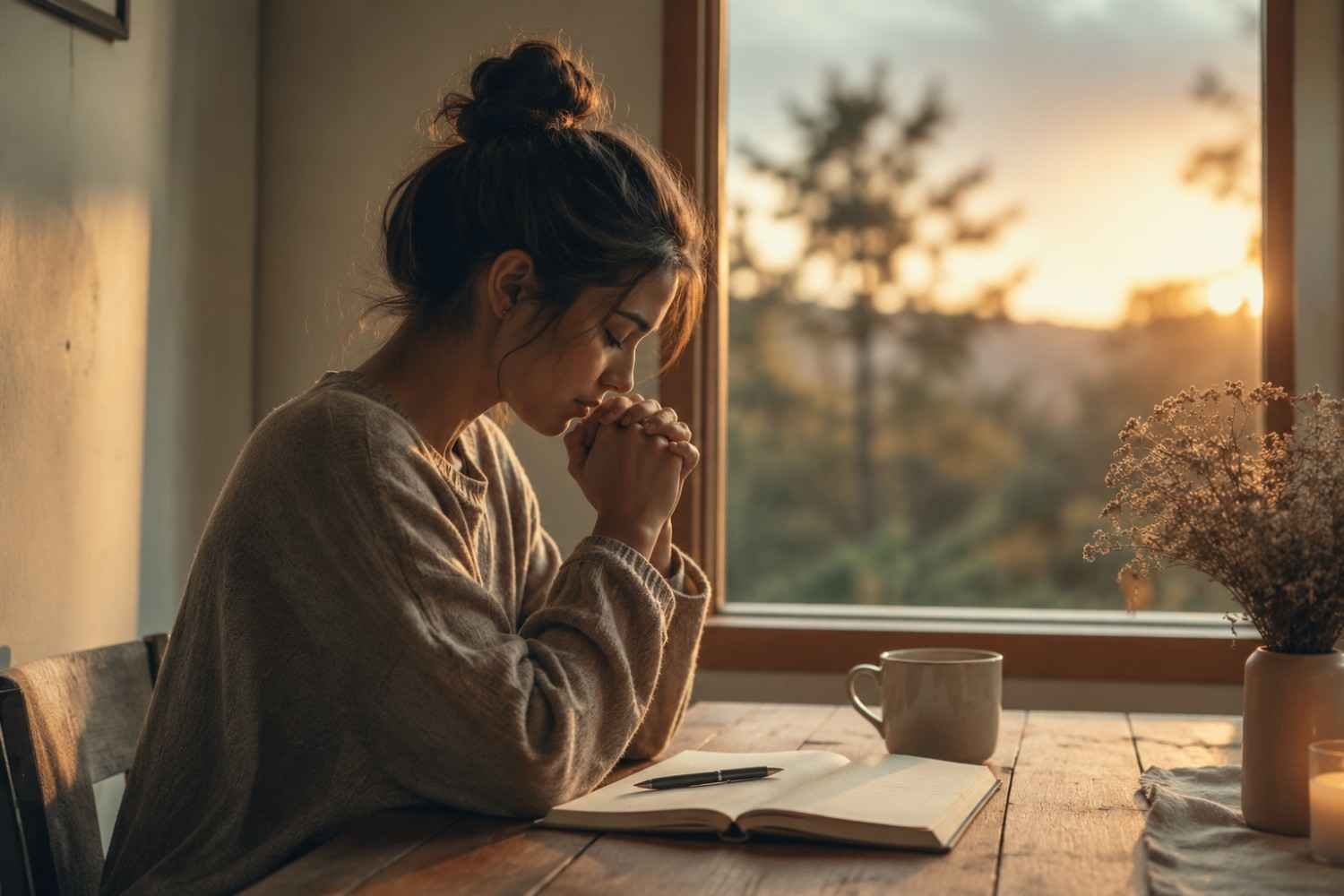
    Life rarely slows down on its own. Between responsibilities, constant notifications, work pressure, and personal challenges, it becomes easy to move through the day without taking a moment to breathe, reflect, or reconnect spiritually. Prayer creates that needed pause. It becomes a quiet space where thoughts settle, gratitude grows, and faith feels more present.

    The most meaningful prayer practices are not always about spending hours in silence or following a perfect routine. Often, the smallest moments of honest connection become the ones that shape our hearts the most. A few intentional minutes of prayer each day can bring a stronger sense of peace, improve emotional awareness, and help shift attention from daily worries toward trust, gratitude, and hope.

    Why Prayer Feels More Meaningful When It Becomes Personal

    Why Prayer Feels More Meaningful When It Becomes Personal

    Prayer becomes powerful when it moves beyond a routine and becomes a genuine conversation. Many people think prayer has to sound a certain way, but authentic prayer usually starts with honesty. Sharing fears, hopes, questions, and appreciation creates a deeper spiritual connection.

    Personal prayer allows space to slow down and recognize what is happening internally. Instead of carrying every concern alone, prayer provides a moment to release stress and refocus. Research around spiritual practices and meditation often connects moments of reflection with relaxation responses, including reduced stress and improved emotional balance.

    Meaningful prayer practices create room for both speaking and listening. Sometimes that means expressing gratitude. Other times, it means sitting quietly and allowing yourself to feel present.

    Creating Calm Through Mindfulness Prayer

    Mindfulness prayer combines quiet awareness, breathing, and spiritual reflection. It encourages people to step away from distractions and become fully present during their prayer time.

    A simple practice starts by finding a peaceful place, closing your eyes, and taking slow breaths. As the body relaxes, a short affirmation like “God, I am here with You now” can help center thoughts and create a feeling of connection.

    This practice is not about removing every thought from your mind. Instead, it allows you to notice your emotions without becoming overwhelmed by them. Even five minutes of intentional prayer can create a meaningful pause during a stressful day.

    Many people include mindfulness prayer in the morning before starting their responsibilities or at night before resting. The goal is consistency, not perfection.

    Practicing Gratitude Through Daily Prayer

    Practicing Gratitude Through Daily Prayer

    Gratitude changes the way we notice everyday life. It shifts attention away from everything that feels missing and creates awareness of the blessings already present.

    Gratitude-centered prayer focuses on recognizing simple moments that often get overlooked. These can include:

    • A meaningful conversation with someone you love
    • A peaceful morning, a warm drink, or a small moment of kindness
    • Strength during a difficult situation

    The “three things” gratitude practice is a simple way to develop this habit. Each morning or evening, choose three things you feel thankful for and include them in your prayer.

    Over time, this type of reflection trains the mind to recognize goodness more naturally. Gratitude does not remove challenges, but it can change how we carry them.

    Using Journaling Prayer for Honest Reflection

    Writing can reveal thoughts and emotions that are sometimes difficult to say out loud. Journaling prayer creates a private space to communicate openly, reflect deeply, and understand personal experiences.

    Some people write their prayers as letters to God. Others write questions, worries, moments of appreciation, or lessons they are learning. There is no required structure because the purpose is honesty.

    After writing, taking a few moments to read scripture, reflect, or sit quietly can create space for deeper understanding. Many people find encouragement through passages focused on hope, gratitude, patience, and trust.

    Journaling also allows you to look back and recognize growth. Previous prayers often become reminders of challenges overcome, answered prayers, and moments when faith provided strength.

    Building a Consistent Prayer Routine Without Pressure

    Building a Consistent Prayer Routine Without Pressure

    A strong prayer life grows through commitment, but that commitment does not need to feel overwhelming. Starting with five to ten minutes a day can help create a realistic habit.

    Many people struggle because they expect their spiritual routines to look perfect. However, consistency often develops through small, repeatable choices.

    Creating a peaceful environment, choosing a regular time, and removing distractions can support deeper focus. Some people combine prayer with reading, journaling, or quiet reflection because these are simple ways to strengthen faith while creating a more intentional daily rhythm.

    The most important part is showing up honestly. A short prayer with full attention can feel more meaningful than a long prayer done only out of obligation.

    Frequently Asked Questions: Meaningful Prayer Practices to Create Moments of Calm, Gratitude, and Faith

    1. What are meaningful prayer practices?

    Meaningful prayer practices are intentional habits that help create a deeper spiritual connection. They can include gratitude prayer, mindfulness prayer, journaling, scripture reflection, and quiet moments of personal conversation with God.

    2. How can I make my daily prayers more consistent?

    Start with a small routine that fits naturally into your schedule. Setting aside five to ten minutes each day, choosing a peaceful space, and connecting prayer with an existing habit can make consistency easier.

    3. Why is gratitude important during prayer?

    Gratitude helps shift attention toward blessings, growth, and positive moments. It encourages a more hopeful perspective and creates awareness of everyday experiences that often go unnoticed.

    4. Can journaling improve my prayer life?

    Yes, journaling can make prayer feel more personal and reflective. Writing thoughts, emotions, and prayers helps process experiences and creates a record of spiritual growth over time.

    Small Moments of Prayer That Build a Lasting Connection

    Faith often grows through small choices repeated over time. A quiet morning prayer, a written reflection, or a simple moment of gratitude can slowly influence how we approach challenges and relationships. Meaningful prayer practices remind us to slow down, pay attention, and create space for peace even when life feels busy.

    The strongest spiritual habits are usually the ones we can carry into everyday moments. Prayer becomes more than a routine when it becomes a steady source of calm, gratitude, and connection.

  • A Light and Airy Living Room Reveal Ultimate Transformation

    A Light and Airy Living Room Reveal Ultimate Transformation

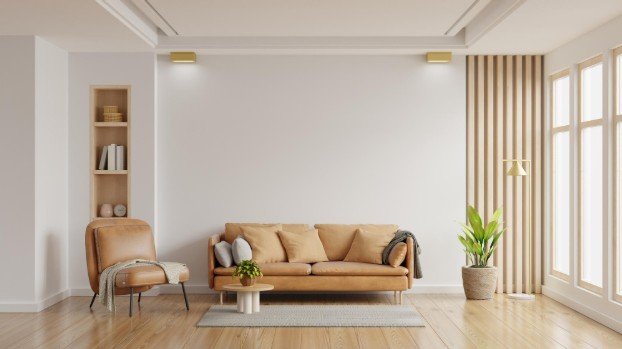
    Stepping into a dark, cramped room every single day can completely drain your daily energy and mood. For years, our central family gathering space felt like a gloomy cavern. It was shadowed by heavy window treatments and dated, dark accent walls.

    That frustrating lack of brightness inspired an intensive design journey to completely transform our main floor layout. This a light and airy living room reveal marks the final chapter of swapping out visual clutter for breathing room and endless sunshine.

    Grab a hot cup of coffee and let’s walk through every single design choice, texture, and structural secret that made this breezy transformation happen.

    Light and Airy Living Room Reveal Is Truly Essential

    Living in a dark room makes you feel like a cave dweller hiding from the modern world. We all deserve a home that feels like a sun-drenched resort, not a gloomy basement storage unit. Embarking on a light and airy living room reveal rescues your mental well-being and elevates your everyday living experience instantly.

    Selecting the Ideal Bright Base Palette

    Painting the walls is the fastest way to alter your perception of architectural space. Many homeowners mistakenly grab a generic bright white from the hardware store, only to find their walls look clinical or muddy in shifting afternoon shadows.

    Our secret weapon for this project was diving deep into the Light Reflectance Value, or LRV, of our favorite color swatches. A higher LRV score means a paint color will bounce ambient light back into the room rather than absorbing it.

    Finding the Right Undertones

    Finding the Right Undertones

    Selecting a paint color requires testing the formula under varying conditions from dawn until dusk. We bypassed stark, bluish whites that feel chilly and chose a soft, warm alabaster shade with subtle greige undertones. This specific base color reads as incredibly crisp during bright mornings while maintaining a cozy, comforting glow when evening lamps are lit.

    Coating the Trim Correctly

    Finishing the baseboards and window casings requires an intentional contrast in sheen to maximize the illusion of architectural depth. We coated all the surrounding trim in a semi-gloss pure white to catch structural light lines perfectly against our satin-finish walls. This subtle difference makes the ceilings appear much higher than they actually are by drawing the eyes upward.

    Mastering the New Spatial Floor Plan Layout

    Spreading furniture out along the perimeter of a space is a common trap that actually makes a room feel rigid and restricted. For this layout, we pulled our seating arrangements completely away from the walls to establish an open, floating conversational hub.

    Navigating the Floating Furniture Plan

    Positioning a large sofa in the center of the floor configuration allows natural walkways to remain fully open. We ensured there was a comfortable three-foot pathway entirely around the seating zone to promote relaxed movement and effortless traffic flow. 

    This deliberate spacing instantly gives the square footage an expensive, resort-like breathing room.

    Selecting Multi-Functional Low Profiles

    Keeping the sightlines clear across the entire room prevents the eyes from encountering abrupt visual roadblocks. We hunted for a modern linen sofa. Featuring lower back cushions and slim, tapered legs that elevate the base off the floor. Seeing the floor surface extend underneath the furniture tricks your brain into perceiving the overall room as far larger than its true dimensions.

    Layering Textures to Eliminate Sterile Vibes

    Monochromatic spaces run a major risk of feeling flat, uninviting, or reminiscent of an operating room. Our strategy to beat the boring white box look involved piling on diverse, tactile materials that felt incredible to touch.

    Layering Textures to Eliminate Sterile Vibes

    Introducing Organic Elements

    Bringing natural textures indoors breaks up the clean, synthetic lines of modern home manufacturing. We introduced a chunky jute area rug as our foundational floor piece. By layering a soft, ivory wool rug directly on top for maximum barefoot comfort. Woven rattan baskets tucked into vacant corners handle stray blankets while infusing rich, honeyed tones into the neutral landscape.

    Mixing Wood and Metallic Tones

    Balancing a pale room means grounding the space with a few elements that hold organic structural weight. We paired an unlacquered white oak coffee table with matte black iron hardware elements on our media console. The raw, open grain of the light wood injects natural character. While the black metal elements add just enough contrast to anchor the floating layout for modern style and home ideas .

    How to Execute a Light and Airy Living Room Reveal Successfully

    How to Execute a Light and Airy Living Room Reveal Successfully

    Bringing this bright aesthetic to life in your own home requires a systematic approach to editing your current belongings. Start by stripping away heavy, dark window draperies that block out the sun and replacing them with floor-to-ceiling sheer linen panels. This single adjustment instantly doubles the amount of usable natural light bouncing into the room.

    Next, focus entirely on your furniture selections by opting for pieces that feature light, natural wood finishes like white oak or bleached ash. Incorporate plush, slip-covered seating solutions in crisp neutral fabrics that invite relaxation without adding visual weight. Keep surfaces beautifully decluttered, allowing the natural sunlight to illuminate clean lines and open spaces throughout the afternoon.

    Finally, layer your floor surfaces with textured natural fibers such as tightly woven jute or sisal rugs to establish an organic foundation. Ground the entire arrangement by introducing live greenery, like an oversized potted tree, to bring a vibrant touch of nature indoors. These balanced layers ensure your bright sanctuary remains deeply inviting and structurally warm all year round.

    Frequently Asked Questions

    1. How to make a room feel light and airy?

    To make a room feel light and airy, you must maximize natural sunlight with sheer linen drapery, utilize high-LRV paint colors, elevate furniture on exposed legs, and incorporate reflective glass or metallic surfaces to bounce illumination across the floor plan.

    2. What is the 3-5-7 rule of decorating?

    The 3-5-7 rule of decorating is a classic design principle stating that grouping decorative elements in odd numbers creates better visual balance, dynamic height variation, and a more organic, intentional styling arrangement compared to even pairs.

    3. What is the new trend for living rooms?

    The new trend for living rooms heavily favors warm minimalism, featuring performance boucle fabrics, rounded architectural silhouettes, earthy organic textures, and highly personalized vintage elements that completely replace cold, stark, and overly clinical modern design choices.

    4. What is the 2/3 rule for living rooms?

    The 2/3 rule for living rooms dictates that your chosen coffee table should measure approximately two-thirds the total width of your sofa. And your main seating pieces should comfortably cover two-thirds of your primary area rug for ideal proportions.

    Spill the Tea on Your Bright New Space

    Creating a dreamy, sun-drenched sanctuary is completely achievable when you replace heavy clutter with deliberate, light-reflective choices. This a light and airy living room reveal proves that the right mix of high-LRV paint, floating furniture layouts, and rich organic textures can turn any dim space into a breathtaking oasis. Focus on your foundational layers first, clear your primary sightlines, and watch your daily living space completely transform.

  • Living in Plaid: Modern Style and Home Ideas

    Living in Plaid: Modern Style and Home Ideas

    Living in plaid is not about dressing like a cabin postcard or turning your home into a holiday catalog. I see it as a smart way to add structure, warmth, and personality without losing a modern edge.

    Plaid works because it feels familiar but never flat. It can look polished, cozy, rebellious, classic, or festive depending on how you style it. The trick is balance. One strong plaid piece needs calm support from solids, clean lines, and neutral basics.

    Why Living in Plaid Still Feels Fresh

    Plaid has survived trend cycles because it carries history and flexibility. Tartan, one of plaid’s most recognizable forms, is closely tied to Scottish identity and clan patterns, while checkered textiles have appeared across many cultures and eras. The Metropolitan Museum of Art’s fashion collection has long documented how historic textiles move from function into style, showing how patterns become cultural symbols over time.

    For me, living in plaid means using that heritage without copying it too literally. A red tartan scarf can feel festive. A gray plaid blazer can feel professional. A buffalo-check throw can make a plain sofa feel warmer in seconds.

    That range is why plaid still works for US readers building practical wardrobes and cozy homes. It adapts to school runs, office days, fall weekends, family photos, and winter hosting.

    The Modern Rule: Let Plaid Lead

    Plaid becomes outdated when too many pieces compete. I follow one rule: let plaid lead, then let everything else calm it down.

    If I wear a plaid blazer, I keep the shirt plain. If I add a tartan coat, I avoid loud shoes. If I use plaid pillows at home, I keep the sofa, rug, or curtains simple.

    My One-Plaid-Piece Test

    My One-Plaid-Piece Test

    Before leaving the house, I ask one question: “What is the hero?” If the answer is not clear, I remove one patterned item.

    This small test changed how I wear plaid. A black turtleneck, straight jeans, and loafers can make a plaid blazer look intentional. A white tee and leather belt can make plaid trousers feel fresh instead of busy.

    That is the real secret to living in plaid today. The pattern should speak first, not shout over everything else.

    How I Style Plaid Without Looking Outdated

    Plaid outfits work best when they mix structure with simplicity. I avoid pairing plaid with overly themed accessories, because that can push the look into costume territory.

    The Oversized Plaid Blazer

    The Oversized Plaid Blazer

    My easiest modern plaid outfit starts with an oversized blazer. I pair it with slim blue jeans, a plain white t-shirt, and leather loafers.

    The blazer adds shape. The jeans keep it casual. The white shirt gives the eye a quiet break. This outfit works for coffee meetings, casual Fridays, and weekend errands when I still want to look pulled together.

    For a sharper version, I swap the jeans for black trousers. For a softer version, I wear straight-leg cream denim.

    The Statement Tartan Coat

    A long tartan coat can look bold, but it needs a simple base. I like it over an all-black outfit because the pattern becomes the focus.

    Black jeans, a black sweater, and ankle boots create a clean column. The coat adds movement and color. This is one of the easiest ways to wear plaid in fall and winter without looking overly casual.

    Recent interior and style coverage has also pointed to tartan returning in fresher colors, softer textiles, and more playful styling, especially for cold-weather design.

    The Plaid Skirt With Edge

    A pleated plaid skirt can lean school-inspired, so I balance it with tougher pieces. Combat boots, a cropped black top, and a leather jacket make the outfit feel current.

    I avoid overly sweet shoes with plaid skirts unless I want a softer look. Chunky boots, fitted knits, and clean outerwear help the skirt feel adult and wearable.

    This outfit also works for holiday photos, especially when coordinated with family looks like mother and son holiday outfits

    Smart Pattern Mixing

    Smart Pattern Mixing

    Pattern mixing with plaid is possible, but it needs discipline. I only mix two plaids when they share the same color family.

    A micro-check trouser can work with a larger buffalo-check scarf if both include black, cream, or gray. The scale difference matters. Two similar-size plaids fight each other.

    My safest formula is small plaid below, large plaid above, and one solid layer between them.

    Living in Plaid at Home

    Living in Plaid at Home

    Plaid at home should feel layered, not loud. I prefer small doses because they are easy to change by season.

    A plaid throw blanket can warm up a neutral sofa. Tartan pillows can make a leather chair feel softer. A plaid table runner can make a simple dining setup feel festive without buying new dinnerware.

    The best rooms use plaid as texture, not clutter. I pair it with wood, linen, wool, matte black metal, or cream ceramics. That mix keeps the pattern grounded.

    For fall, I like brown, camel, forest green, and burgundy plaid. For winter, I lean into red, navy, black, and cream. For spring, soft checks in blue, sage, or blush feel lighter.

    Plaid for Family and Seasonal Looks

    Plaid is especially useful for family styling because everyone does not need to match exactly. One person can wear a plaid shirt. Another can wear a plaid scarf. A child can wear a checked skirt or vest.

    The key is repetition without duplication. Choose two or three colors from the plaid and repeat them in solid pieces across the group.
    For example, if one plaid shirt includes navy, cream, and red, others can wear navy sweaters, cream dresses, or red hair bows. This creates a coordinated look without making everyone appear copied and pasted.

    FAQs

    1. What does living in plaid mean?

    Living in plaid means using plaid patterns in fashion, home décor, and seasonal styling in a modern, balanced way.

    2. How do you wear plaid without looking old-fashioned?

    Pair one plaid item with solid basics, clean shoes, and simple accessories to keep the outfit current.

    3. Can you mix different plaid patterns?

    Yes, but keep both plaids in the same color family and choose different pattern scales.

    4. Is plaid good for home décor?

    Yes, plaid works well in throws, pillows, table linens, and accent pieces because it adds warmth and texture quickly.

    Final Stitch: Make Plaid Behave Badly, But Beautifully

    I like plaid most when it has a little attitude. A blazer with loafers, a tartan coat over black, or a plaid skirt with boots feels far more interesting than a safe, matching outfit.

    Living in plaid should feel styled, not staged. Pick one patterned hero, give it solid support, and let the checks do the charming little damage.