A homeschool day can change quickly. One minute, your child is reading calmly. The next, a tough worksheet, a loud noise, or a small disappointment turns into tears, anger, or shutdown.
I have learned that calm learning does not happen by accident. Kids need simple emotional tools they can practice before stress takes over. That is where homeschool emotional regulation activities can make daily lessons feel smoother, safer, and more manageable.
Why Emotional Regulation Matters in a Homeschool Routine
In a traditional classroom, home emotions and school emotions may stay separate. In homeschooling, everything happens in the same environment. A difficult worksheet, a sibling interruption, a messy room, or a rushed morning can quickly affect the entire school day.
I do not see emotional moments as learning failures. I see them as opportunities to teach self-regulation, emotional awareness, impulse control, and coping skills. When children learn how to pause, breathe, name feelings, and choose a calming tool, they become more confident learners.
Social emotional learning also supports self-awareness, self-management, relationship skills, and decision-making. These skills help children handle homeschool lessons, co-op days, sports, friendships, and family life with more confidence.
Start With Daily Emotional Check-Ins
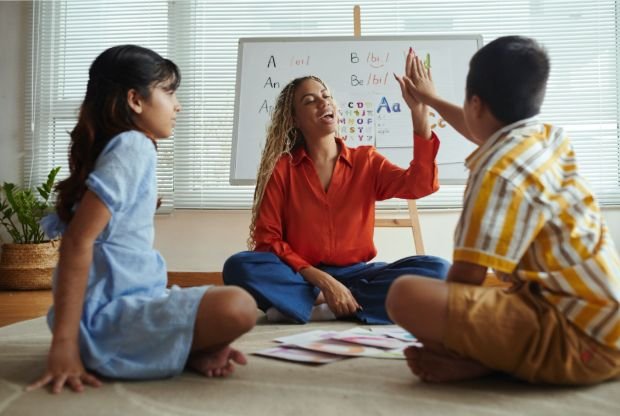
A daily emotional check-in is one of the easiest ways to build emotional literacy. Before starting lessons, ask your child how they feel. You can use a feelings wheel, emotion cards, a mood chart, or a simple journal page.
A feelings wheel check-in works well for visual learners. Print or draw a colorful wheel with different emotions, then ask your child to place a clothespin, sticker, or magnet on the feeling that matches their mood. This helps kids move beyond basic words like happy, sad, or mad.
You can also use a size of the problem scale. Post a simple 1-to-5 chart on the wall. When something happens, such as a ripped paper or hard spelling word, ask your child to rate the problem. This teaches them to match the size of their reaction to the size of the issue.
Another helpful idea is an emotion word of the week. Every Monday, introduce a word like frustrated, overwhelmed, disappointed, nervous, excited, or anticipation. Use books, real-life examples, and family conversations to help your child understand what that emotion feels like.
Create a Homeschool Calm Down Corner
A calm down corner gives your child a safe place to reset. It should never feel like punishment. It should feel like a quiet tool your child can use when their body needs help calming down.
You can place a soft chair, small rug, a feelings chart, a timer, picture books, breathing cards, sensory tools, and coping strategy cards in one quiet area. Some families use a basket instead of a corner, especially if they homeschool at the kitchen table.
A DIY calm box is another great option. Decorate a storage bin with your child and fill it with calming tools such as noise-canceling headphones, kinetic sand, textured stress balls, emotion cards, coloring pages, and fidgets.
When I introduce a calm down space, I explain it before emotions get intense. I might say, “This is not a time-out spot. This is where we help our body feel safe and steady again.”
Use Movement Games for Impulse Control
Some children need movement before they can focus. Movement games help kids practice listening, stopping, waiting, and controlling their bodies.
Musical statues is a simple activity. Play upbeat music and let your child dance freely. Pause the music suddenly and have them freeze. This strengthens physical control and attention.
Red Light, Green Light works well in a hallway, backyard, or living room. Your child moves on green and stops on red. This helps them practice listening, processing directions, and stopping their body quickly.
Rhythm clap backs are also useful. Clap a short pattern and ask your child to repeat it exactly. They must listen first, wait, and then respond. This builds focus, working memory, and micro-impulse control.
These games are especially helpful between subjects, before handwriting, after screen time, or during transitions.
Teach Breathing and Grounding Activities
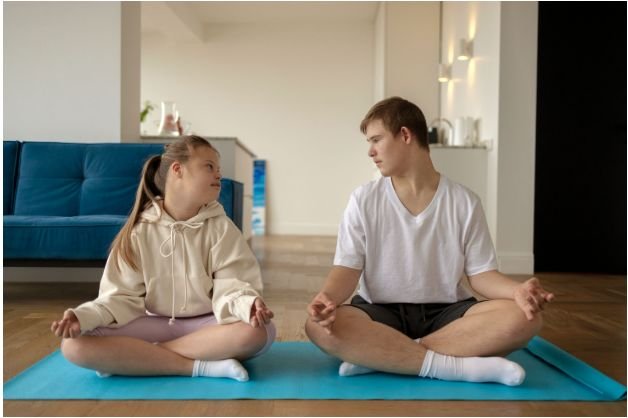
When a child enters fight-or-flight mode, logic usually does not work first. The body needs calming before the brain can problem-solve.
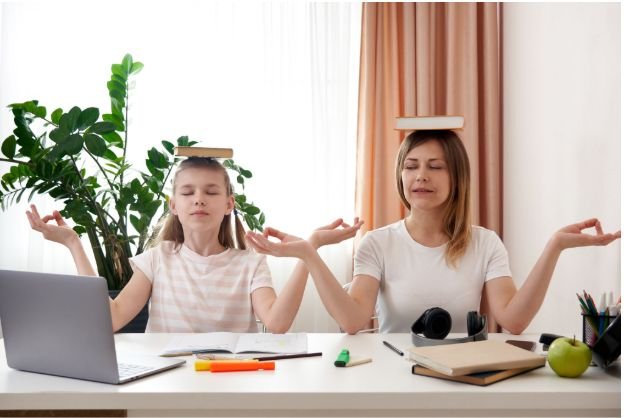
Hand-tracing breathing is one of the easiest homeschool emotional regulation activities for younger children. Ask your child to spread one hand wide. With the other hand, they trace up one finger while breathing in and trace down while breathing out. The visual movement makes breathing easier to follow.
The 5-4-3-2-1 grounding method also works well. Ask your child to name five things they see, four things they feel, three things they hear, two things they smell, and one thing they taste. This brings attention back to the present moment.
For children with body tension, try a progressive muscle body scan. Lie down together and start at the toes. Ask your child to squeeze one muscle group for five seconds, then release on a long breath. Move slowly through the legs, belly, hands, shoulders, and face.
Add Creative Tactile Outlets
Some kids process emotions better through their hands. Creative tactile activities give them a safe way to release frustration.
A glitter calming jar is easy to make with a plastic bottle, warm water, clear glue, and fine glitter. Shake it during a big emotion and ask your child to watch the glitter settle. This gives their body time to slow down.
Crumpled crease art is another powerful activity. Give your child a blank sheet of paper and let them crush it into a tight ball to release frustration. Then flatten it and color inside the crease lines. This turns a hard feeling into something creative.
You can also use playdough, kinetic sand, water beads, drawing, painting, or textured crafts as sensory activities for emotional regulation at home.
Practice Co-Regulation as a Parent
Children learn self-regulation by watching adults regulate themselves. Since homeschool parents are both caregivers and teachers, our modeling matters.
Narrated self-regulation is a simple tool. When I feel stressed, I can say, “I am feeling overwhelmed by this messy table, so I am going to take three slow breaths before I clean it.” This shows children that adults also pause and choose healthy responses.
After a tantrum, avoid lecturing immediately. Wait until your child is calm. Then use post-tantrum storytelling. Draw a comic strip or write a short story together about what happened, what triggered the big feeling, and what tool could help next time.
This keeps correction calm, useful, and shame-free.
Build Emotional Regulation Into the School Day
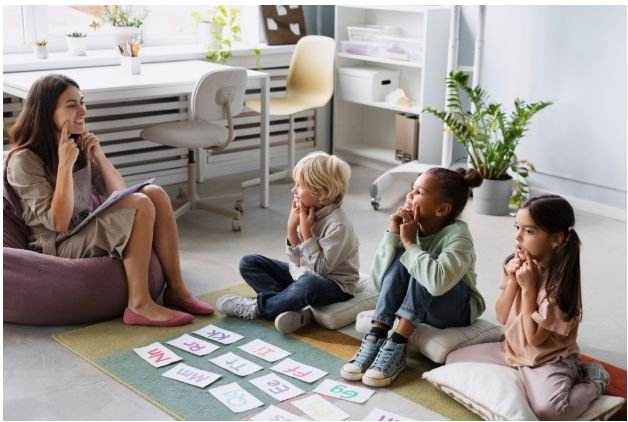
The best homeschool emotional regulation activities work because they become part of the routine. You can start with a morning feelings check-in, add movement between subjects, keep a calm box nearby, use breathing before difficult lessons, and end the day with a short reflection.
A predictable routine helps children feel secure. When kids know they will have breaks, support, and calming tools, they often handle frustration better. These simple habits also contribute to creating a mindful home for relaxation, where children feel emotionally safe and ready to learn.
You do not need a perfect system. You need a repeatable rhythm that helps your child feel safe enough to learn.
Frequently Asked Questions (FAQs)
1. What are the best emotional regulation activities for homeschool kids?
The best activities include feel wheel check-ins, calm down corners, breathing exercises, grounding techniques, sensory tools, movement games, and coping skills practice.
2. How do I help my child calm down during homeschool lessons?
Pause the lesson, lower your voice, offer a calm-down tool, use breathing or grounding, and return to the lesson only after your child feels regulated.
3. Are emotional regulation activities helpful for ADHD homeschool kids?
Yes. Movement breaks, sensory tools, visual charts, short routines, calm boxes, and impulse-control games can support ADHD homeschool learners.
4. How often should kids practice emotional regulation skills?
Kids should practice daily during calm moments so they can use the tools more successfully during frustration, anger, anxiety, or sensory overload.
Final Thoughts
Homeschooling gives us a unique chance to teach academics and life skills together. Emotional regulation is one of those life skills that follows children far beyond the homeschool room.
I like to keep the goal simple. I do not expect my child to stay calm every minute. I want them to understand their feelings, know their coping tools, and believe they can recover after hard moments.
With daily check-ins, calm spaces, sensory tools, movement games, grounding exercises, and parent modeling, emotional regulation becomes a natural part of learning at home.