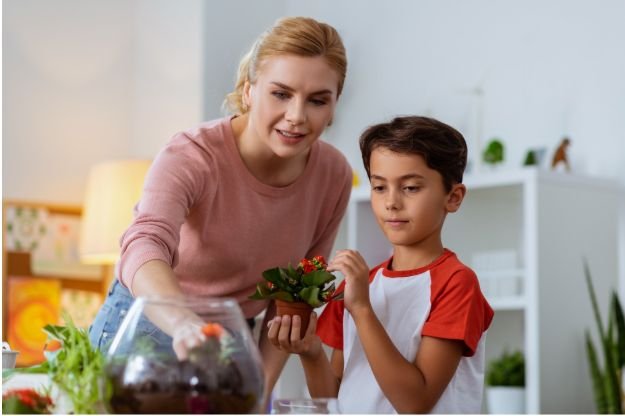
I believe responsibility is not something children suddenly learn when they become teenagers. It starts in small daily moments: putting shoes away, feeding the dog, packing a backpack, helping with dishes, or admitting when something went wrong.
For many busy families, how to teach kids responsibility at home is less about strict rules and more about creating simple habits that children can repeat until they feel natural.
Why Responsibility Matters for Kids
Responsibility helps children become confident, independent, and dependable. When kids learn to complete small tasks, they begin to understand that their actions matter. They also learn time management, problem solving, patience, and accountability.
At home, responsibility can show up in many ways. A child can clean up toys, finish homework before screen time, help prepare lunch, care for a pet, or remember sports gear before practice. These everyday tasks teach life skills far better than lectures alone.
Start With Clear Expectations
Children cannot meet expectations they do not understand. Instead of saying, “Clean your room,” explain exactly what that means. You might say, “Put dirty clothes in the hamper, books on the shelf, and toys in the bin.”
Clear instructions reduce arguments. They also help kids feel successful because they know what finished looks like. For younger children, picture charts work well. For older kids, a simple checklist on the fridge or bedroom door can help them stay on track.
Give Age-Appropriate Responsibilities
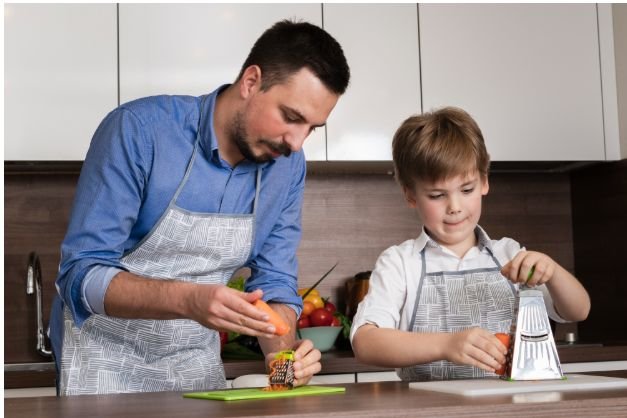
The best responsibilities are challenging but realistic. Toddlers can put toys in a basket, preschoolers can help set napkins on the table, grade-school children can pack their school bags, and older kids can help with laundry, simple meals, trash, or pet care.
Giving too much too soon can frustrate children. Giving too little can make them dependent. The goal is for growing children to step back. Add one new task at a time, teach it patiently, and allow the child to practice.
Model Responsible Behavior
Kids notice what adults do. If parents make promises, keep routines, apologize for mistakes, and manage daily tasks calmly, children learn responsibility by watching.
For example, if I want a child to manage homework without constant reminders, I also need to show what planning looks like. That might mean using a family calendar, preparing the night before, or talking through priorities.
Build Responsibility Into Daily Routines
Responsibility becomes easier when it is part of the day instead of a random demand. Morning routines can include making the bed, brushing teeth, packing lunch, and checking the backpack. Evening routines can include putting away shoes, placing homework in a folder, and choosing clothes for tomorrow.
Routines reduce decision fatigue for both parents and children. When the same tasks happen at the same time each day, kids begin to do them with less resistance. Establishing predictable routines is one of the most effective positive parenting tips for everyday family life, as it builds confidence, encourages responsibility, and creates a calmer home where expectations are clear and daily transitions become easier for everyone.
Use Natural Consequences
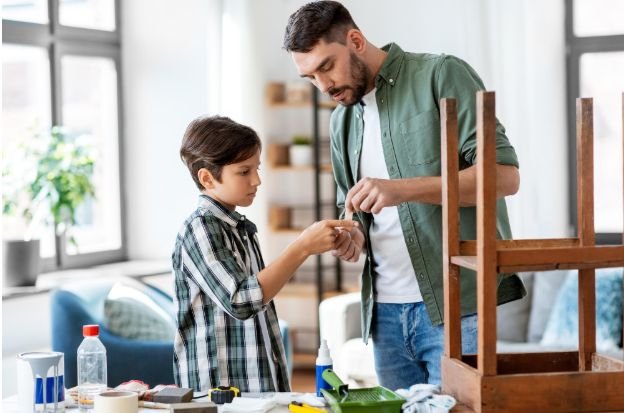
Natural consequences teach responsibility without constant punishment. If a child forgets a jacket, they may feel cold. If they forget homework, they may need to explain it to the teacher. If they leave a favorite toy outside, they may not have it ready the next day.
The key is safety and fairness. Natural consequences should teach, not shame. Parents can stay calm and say, “What can we do differently next time?”
Praise Effort, Not Perfection
Children need encouragement while learning. Instead of only praising perfect results, notice effort and follow-through. Say, “You remembered to feed the dog without being asked,” or “I like how you kept trying even though folding towels was hard.”
This builds confidence. Kids are more likely to repeat responsible behavior when they feel capable instead of criticized.
Teach Responsibility Without Overusing Rewards
Sticker charts, allowance, and rewards can be useful, especially for younger kids. But responsibility should not always depend on payment. Children also need to understand that helping at home is part of being in a family.
A balanced approach works best. Use rewards for building new habits, but also explain the deeper reason behind the task. For example, “We all clean the kitchen because everyone eats here.”
Include Digital Responsibility
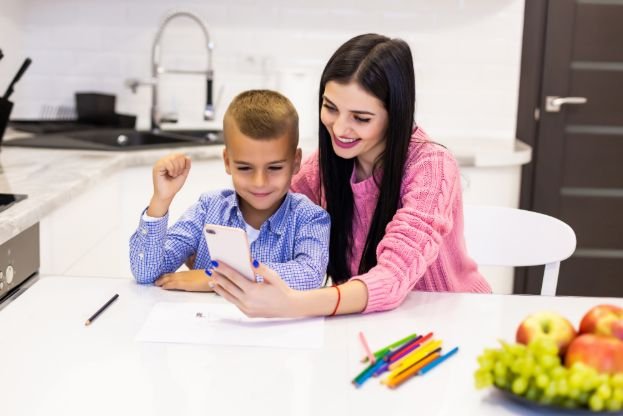
Modern responsibility includes screen habits. Children need rules for tablets, gaming, phones, and online schoolwork. Teach them to finish homework before entertainment, charge devices in a common area, ask before downloading apps, and respect family screen limits.
Digital responsibility also includes kindness online, privacy, and knowing when to take breaks. These skills matter as much as chores.
Teach Money Responsibility Early
Allowance, saving jars, grocery budgeting, and simple spending choices can teach children financial responsibility. A young child can divide money into saving, spending, and giving. Older kids can compare prices, plan for a purchase, or help understand why families budget for school supplies, meals, and activities.
Money lessons at home help kids understand patience, planning, and consequences.
Frequently Asked Questions
1. What is the best age to start teaching responsibility?
Children can start learning responsibility as toddlers through simple tasks like putting toys away, helping carry small items, or placing clothes in a hamper.
2. How do I motivate a child who refuses chores?
Start small, stay calm, give clear choices, and connect the task to family teamwork. Avoid turning every chore into a battle.
3. Should kids get paid for chores?
Some families use allowance, while others separate chores from money. A mixed approach works well: basic family tasks are unpaid, while extra jobs can earn money.
4. What is the easiest way for how to teach kids responsibility at home?
The easiest way is to create daily routines, give age-appropriate tasks, model responsible behavior, and let children experience safe natural consequences.
Final Thoughts
I think responsibility grows best when children feel trusted, guided, and included. A home does not need to be perfect for kids to learn responsibility. It only needs steady routines, clear expectations, patient teaching, and chances to try again.
When parents teach responsibility through everyday life, children learn more than chores. They learn confidence, independence, respect, time management, and accountability. That is what makes how to teach kids responsibility at home such an important parenting goal.