
Learning how to dress more confidently starts with one honest question: does this outfit help me move, speak, and show up better? I stopped chasing random trends when I realized confidence comes from clothes that fit my body, match my life, and remove morning stress.
Clothing can affect mindset too. Researchers call this “enclothed cognition,” where clothes influence psychological processes through meaning and physical experience. That is why a sharp blazer, clean sneakers, or a perfect pair of jeans can change how you carry yourself.
Start With Fit Before Style
The fastest way to understand how to dress more confidently is to stop wearing clothes that need constant fixing. If I keep pulling down a hem, adjusting a waistband, or hiding inside oversized layers, I do not feel relaxed. I feel distracted.
Good fit does not mean tight. It means the shoulder seam sits correctly, trousers do not dig when seated, sleeves hit cleanly, and shoes do not punish your feet. Comfort matters because confidence shows through posture and movement.
I use a simple “sit, walk, reach” test before trusting any outfit. I sit in it, walk around, raise my arms, and check if anything pulls or rides up. If it fails, I tailor it, style it differently, or let it go.
Build a Confidence Closet, Not a Crowded Closet

A confident wardrobe is not huge. It is useful. I would rather own fewer pieces that work hard than a stuffed closet full of “maybe someday” outfits.
Start with quality basics: straight-leg jeans, tailored trousers, crisp cotton tops, a structured blazer, clean sneakers, loafers, and one outer layer that makes simple outfits look finished.
Google recommends helpful content that gives people satisfying, people-first answers, and the same idea works for wardrobes: useful beats excessive every time.
Try the 3-3-3 Rule
Choose three tops, three bottoms, and three shoes that mix easily. For example, I might pick a white tee, striped shirt, black knit, straight jeans, wide-leg trousers, casual skirt, white sneakers, loafers, and ankle boots.
That small capsule creates many outfits without decision fatigue. It also teaches you what you actually wear.
Use the Rule of 7
The Rule of 7 makes basic outfits feel styled. Combine a top, bottom, layer, shoes, bag, accessory, and one style detail. That detail could be a tucked shirt, rolled sleeve, belt, scarf, or clean hairstyle.
This is how to dress more confidently without buying new clothes every week.
Use Color and Texture With Intention

Color changes the mood of an outfit. I reach for navy, charcoal, black, or deep brown when I want to feel grounded. I choose blue, green, cream, or soft neutrals when I want to look calm and approachable.
Texture also helps. Denim, cotton, knitwear, corduroy, leather, and structured canvas make simple outfits look layered. A white tee with jeans feels basic. A white tee with jeans, a textured cardigan, hoops, and loafers feels intentional.
The sandwich rule helps too. Match your shoes to your top or jacket, then keep the pants different. It creates balance without looking forced.
How Students Can Dress More Confidently
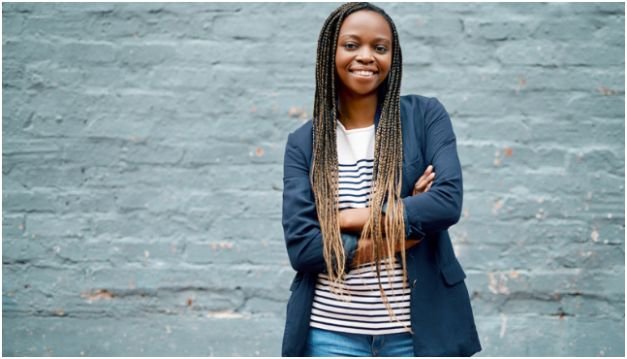
Student style needs comfort first. Long lectures, campus walks, library hours, and casual hangouts require clothes that work in real life.
My favorite student uniform is simple: straight-leg jeans or tailored joggers, a structured T-shirt, and a flannel, denim jacket, or collegiate crewneck. Clean sneakers or chunky loafers finish the outfit without hurting your feet.
Harvard Health notes that walking shoes should feel comfortable right away, which matters when your day includes long stretches on your feet.
Upgrade small details. A sleek laptop backpack or structured tote looks more polished than a worn-out bag. Matching hoodie-and-jogger sets also make loungewear feel planned, not lazy.
How to Dress More Confidently at Work
Corporate confidence comes from balance. You want authority without feeling trapped in a costume.
A power capsule makes office dressing easier. I would start with a sharp blazer, wide-leg trousers, a pencil skirt, silk-style blouse, cotton button-down, fine-knit mock neck, pointed flats, loafers, and a structured tote.
The 2×2 rule keeps work outfits modern. Wear two formal pieces, such as a blazer and pleated trousers. Then add two softer pieces, such as a ribbed knit top and leather loafers.
Always test sit-down comfort. If pants dig into your waist during a meeting, they are not powerful. They are distracting.
Add the Third Piece
The third-piece rule is one of the easiest answers to how to dress more confidently. Add a blazer, cardigan, denim jacket, shacket, vest, or trench coat over a simple base.
That extra layer gives shape, depth, and intention. It also helps when you feel exposed in plain basics.
For relaxed outfits, you can explore urban fashion inspiration for effortless daily style and adapt those ideas with cleaner lines, better shoes, and stronger accessories.
Fix the Inner Monologue
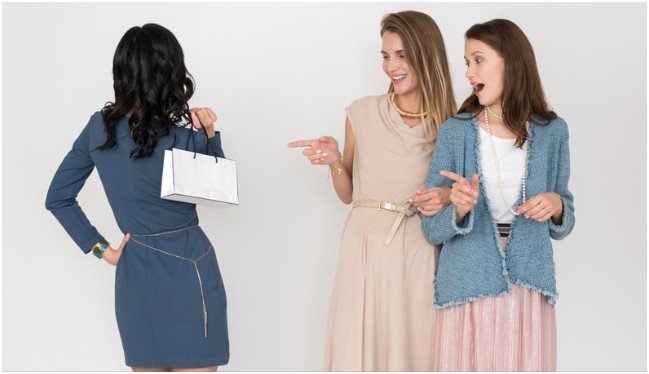
Confidence dressing is not only external. I had to stop waiting for a better body, better event, or better season. Clothes should support the body you have now.
Instead of asking, “Does this hide me?” ask, “What does this highlight?” Maybe it is your shoulders, waist, legs, neckline, height, or personal energy.
Grooming helps too. Clean hair, neat nails, fresh skin, and polished shoes make even simple outfits feel stronger. The CDC also recommends comfortable clothing and footwear for safe movement, which supports the idea that confidence and comfort should work together.
Common Mistakes That Hurt Outfit Confidence
The first mistake is copying outfits that do not match your lifestyle. A look that works for a photo may fail during errands, classes, or office hours.
The second mistake is ignoring alterations. A small hem, waist adjustment, or sleeve fix can make affordable clothes look expensive.
The third mistake is keeping guilt clothes. If an item makes you feel bad every time you see it, it is not motivation. It is closet noise.
FAQs
1. How can I dress more confidently every day?
Create a repeatable outfit formula with comfortable basics, one polished layer, clean shoes, and one intentional accessory.
2. How do I dress confidently as a student?
Wear structured casual pieces like straight jeans, clean sneakers, crewnecks, flannels, and a practical but polished bag.
3. What clothes make you look more confident?
Well-fitted blazers, tailored trousers, crisp tops, pointed shoes, clean sneakers, and structured bags often create a confident look.
4. How can I dress confidently for work?
Use a power capsule with blazers, trousers, wrinkle-resistant tops, loafers, and a structured tote that feels comfortable all day.
Final Slay: Wear the Outfit Before It Wears You
The real secret to how to dress more confidently is not perfection. It is alignment. Your clothes should fit your body, your day, your comfort level, and your personality.
Start with one outfit formula this week. Test it, tweak it, repeat it, and make it yours. Confidence gets easier when your closet stops arguing with you.